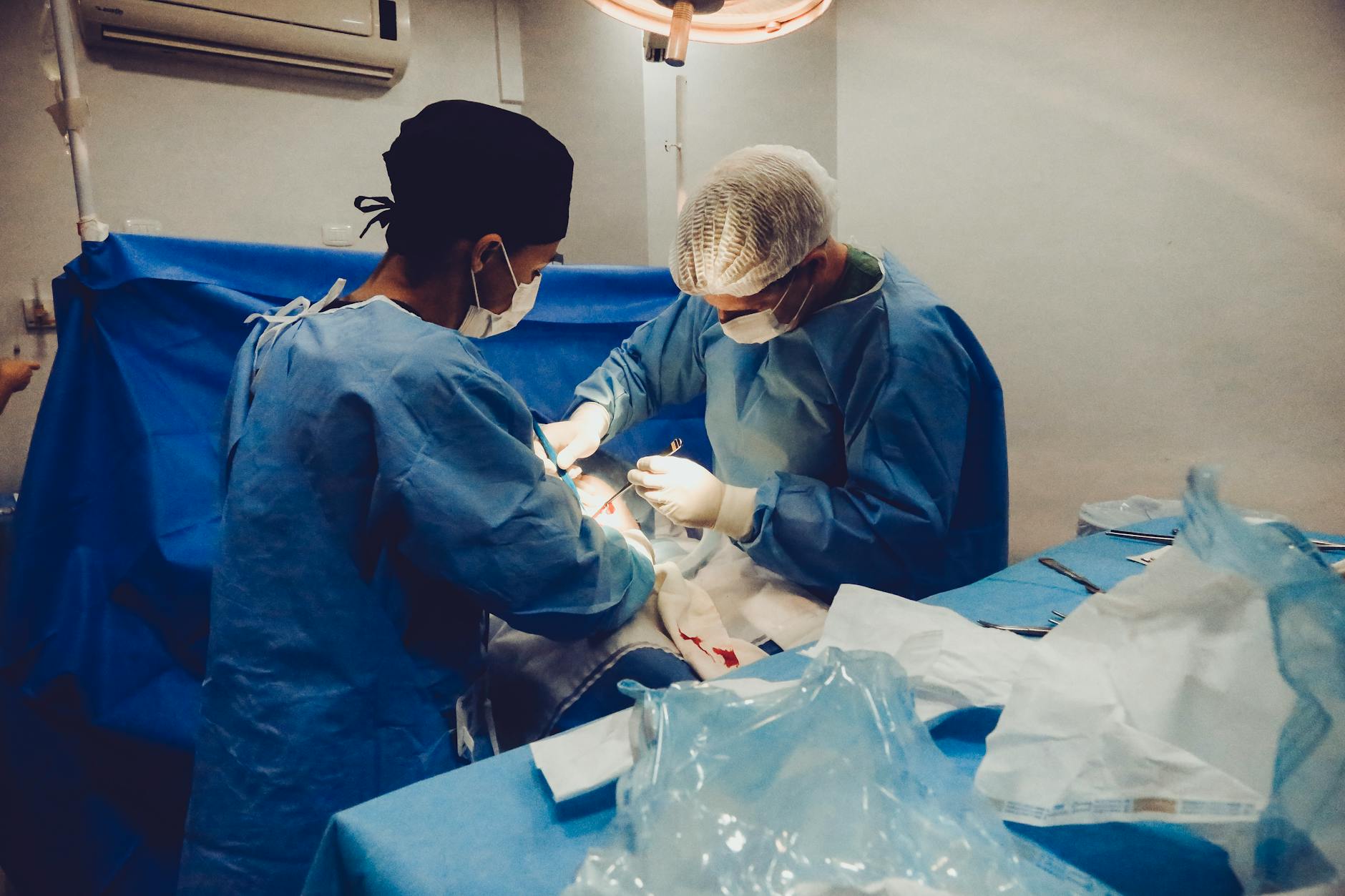
Understanding Angioplasty and Bypass Procedures for Heart Health Heart disease remains a significant health concern worldwide, and understanding the procedures available to treat it is crucial. Two common interventions for blocked or narrowed coronary arteries are angioplasty and coronary bypass surgery. While both aim to restore healthy blood flow to the heart, they differ in their approach, complexity, and recovery. This guide will delve into the specifics of each procedure, helping you understand their purpose, how they are performed, their effectiveness, risks, and recovery, with a focus on practical information for Indian readers. What are Coronary Arteries and Atherosclerosis? Your coronary arteries are the vital blood vessels that supply your heart muscle with oxygen-rich blood. Atherosclerosis is a condition where plaque, a fatty deposit, builds up inside these arteries, causing them to narrow or become blocked. This narrowing restricts blood flow, leading to chest pain (angina) and, if left untreated, can result in a heart attack. Coronary artery disease (CAD) is the leading cause of death globally, making timely and effective treatment essential. The Purpose of Angioplasty and Bypass The primary goal of both angioplasty and coronary bypass is to improve blood flow through narrowed or blocked coronary arteries. By restoring adequate blood supply to the heart muscle, these procedures aim to alleviate symptoms, prevent heart attacks, and improve overall heart function and longevity. Angioplasty: A Less Invasive Approach Angioplasty, often referred to as Percutaneous Coronary Intervention (PCI), is a minimally invasive procedure. It typically takes between 30 minutes to 2 hours. How Angioplasty is Performed: Preparation: You'll be positioned on an X-ray table and given a local anaesthetic. An intravenous (IV) line will be inserted, which may be used for pain relievers, sedatives, or a contrast dye that helps visualize the arteries on X-ray. Accessing the Artery: A cardiologist will make a small incision, usually in your groin, arm, or wrist, to access a major artery. Catheter Insertion: A thin, flexible tube called a catheter is inserted into the artery through a small opening called a sheath, which keeps the artery open. Balloon and Stent Placement: A thin wire is guided through the catheter to the blocked area in your coronary artery. A tiny balloon attached to the wire is then advanced to the blockage. The balloon is inflated for about 20-30 seconds, compressing the plaque against the artery wall and widening the passage. If a stent (a small mesh tube) is used, it is typically expanded by the balloon and left in place to help keep the artery open. Recovery from Angioplasty: You may need to stay in the hospital for about 1-2 days. You can usually resume normal activities within a few days to a week, though strenuous activities might be restricted for a longer period. The recovery period is generally much shorter than for bypass surgery. Coronary Artery Bypass Grafting (CABG): A Surgical Solution Coronary bypass surgery, also known as CABG, is a more extensive surgical procedure. It typically takes 3 to 6 hours to complete. How Bypass Surgery is Performed: Anaesthesia: You will receive general anaesthesia, meaning you will be asleep during the procedure. Incision: The surgeon makes an incision along your sternum (breastbone) and gently spreads open your rib cage to access the heart. In some cases, minimally invasive techniques may be used, requiring smaller incisions. Heart-Lung Machine: Your heart is temporarily stopped using medication, and you are connected to a heart-lung bypass machine. This machine takes over the function of your heart and lungs, circulating and oxygenating your blood during the surgery. Grafting: The surgeon harvests a healthy blood vessel from another part of your body, such as a vein from your leg, an artery from your chest wall, or an artery from your arm. This vessel is then used to create a new path, or 'bypass', around the blocked section of the coronary artery. Multiple bypasses may be performed if several arteries are blocked. Recovery from Bypass Surgery: You will likely need to stay in the hospital for about 5-7 days. Full recovery can take anywhere from 6 to 12 weeks. You'll need to arrange for help at home for about two weeks post-discharge. Follow-up appointments and cardiac rehabilitation are crucial for a successful recovery. Angioplasty vs. Bypass: Effectiveness and Risks Both procedures are effective in improving blood flow and relieving symptoms of CAD. However, their effectiveness can vary depending on the individual's condition. Effectiveness: Angioplasty: It is highly effective in improving blood flow in most cases and is often the preferred treatment for spontaneous coronary artery dissection and can be lifesaving after a heart attack. Its benefit in stable CAD is debated, with some recent evidence suggesting it may not significantly improve outcomes compared to medications alone in certain individuals. Bypass Surgery: People with CAD who undergo bypass surgery generally experience better long-term outcomes, especially those with severe blockages or multiple affected arteries. Research suggests that coronary bypass may reduce death rates for up to 10 years compared to medications alone in individuals with reduced left ventricular function and inadequate blood flow to the heart. Risks: Both procedures carry risks, though they are generally safe when performed by experienced medical teams. Potential risks include: Common Risks: Bleeding requiring a blood transfusion, infection at the incision site, allergic reactions to contrast dye, and damage to the blood vessel. Specific Risks for Angioplasty: Restenosis (re-narrowing of the artery), blood clots forming in the
In summary, timely diagnosis, evidence-based treatment, and prevention-focused care improve long-term health outcomes.