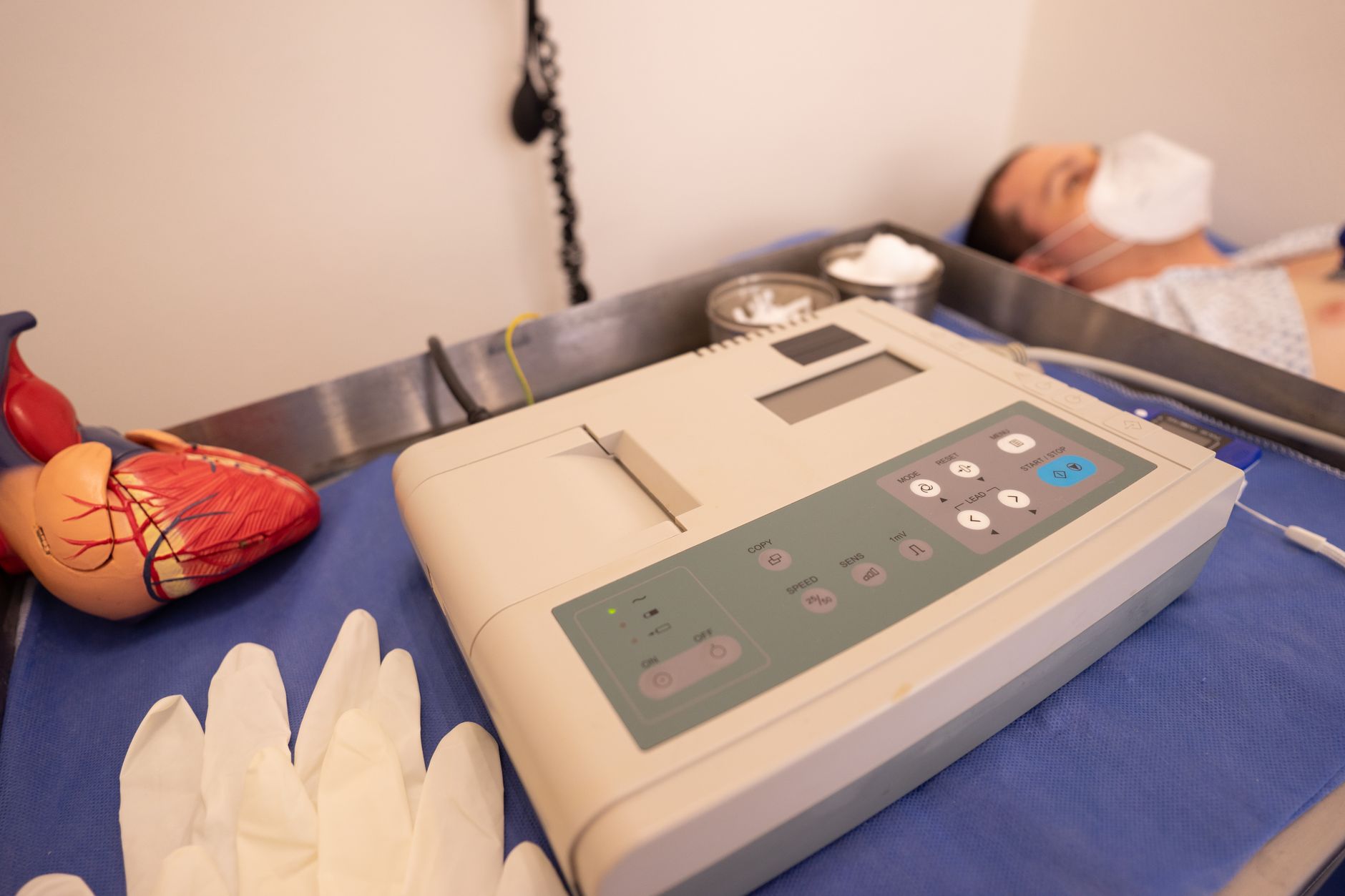
Understanding Beta-Blockers and Their Role in Managing Heart Failure Heart failure is a serious medical condition where the heart muscle doesn’t pump blood as well as it should. This means that the body may not get enough oxygen-rich blood to function properly. In India, heart failure is a growing concern, affecting a significant portion of the population, especially with the rise in lifestyle-related diseases like diabetes and hypertension. Fortunately, medical advancements have introduced various treatment options, and beta-blockers have emerged as a crucial class of drugs in managing heart failure. This article aims to provide a clear and practical understanding of how beta-blockers work for heart failure, their benefits, potential side effects, and when they are most appropriate for patients in India. What is Heart Failure? Heart failure, often referred to as congestive heart failure (CHF), is a chronic condition where the heart can’t pump enough blood to meet the body’s needs. It doesn’t mean the heart has stopped working, but rather that it’s not pumping as efficiently as it should. This can lead to fluid buildup in the lungs, legs, and abdomen, causing symptoms like shortness of breath, fatigue, and swelling. What are Beta-Blockers? Beta-blockers are a group of medications primarily used to manage conditions related to the heart and blood vessels. They work by blocking the effects of stress hormones like adrenaline (epinephrine) and noradrenaline (norepinephrine) on the body’s beta receptors. These hormones can increase heart rate and blood pressure. By blocking them, beta-blockers help to: Slow down the heart rate Lower blood pressure Reduce the heart’s workload While initially developed for conditions like high blood pressure and angina (chest pain), it was later discovered that certain beta-blockers could significantly benefit patients with heart failure. How Do Beta-Blockers Help in Heart Failure? In heart failure, the heart is already working harder than it should. Initially, the body tries to compensate for the weakened heart by releasing stress hormones that increase heart rate and constrict blood vessels. While this might provide a temporary boost, in the long run, it puts more strain on the already damaged heart, worsening the condition. Beta-blockers counteract this harmful response by: Reducing the Heart’s Workload: By slowing the heart rate and lowering blood pressure, beta-blockers decrease the amount of effort the heart needs to exert with each beat. This allows the heart muscle to rest and recover. Improving Pumping Efficiency: Over time, certain beta-blockers can help improve the heart’s ability to pump blood. They can increase the ejection fraction, which is the percentage of blood pumped out of the left ventricle with each heartbeat. A low ejection fraction (typically 40% or less) is a hallmark of reduced ejection fraction heart failure. Preventing Heart Muscle Remodeling: Chronic exposure to stress hormones can cause the heart muscle to thicken and stiffen, a process called cardiac remodeling, which further impairs its function. Beta-blockers help to prevent or even reverse this harmful remodeling. Reducing Arrhythmias: Heart failure can be associated with abnormal heart rhythms (arrhythmias), particularly a rapid heart rate (tachycardia). Beta-blockers can help control these arrhythmias, reducing the risk of complications. Specific Beta-Blockers Used for Heart Failure Not all beta-blockers are suitable for treating heart failure. Only specific types have shown proven benefits. The most commonly prescribed ones include: Carvedilol (Coreg): This is a non-selective beta-blocker that also blocks alpha-1 receptors. It helps reduce heart rate, blood pressure, and the heart’s workload. It is available as an oral tablet. Metoprolol Succinate (Toprol-XL): This is a selective beta-1 blocker. It primarily targets beta-1 receptors in the heart, reducing heart rate and blood pressure, and improving heart function. It is available as a long-acting oral tablet. Bisoprolol: Another selective beta-1 blocker, bisoprolol also slows the heart rate and lowers blood pressure, reducing the heart’s oxygen demand. It can be taken as an oral tablet or given intravenously in hospital settings. Your doctor will choose the most appropriate beta-blocker based on your specific condition, other health issues, and response to treatment. When are Beta-Blockers Recommended for Heart Failure? Doctors typically consider beta-blockers for heart failure patients when: The heart’s pumping efficiency is reduced (ejection fraction is 40% or less). The patient has a history of heart attacks, to reduce the risk of future events. High blood pressure is a contributing factor to heart failure. There are associated abnormal heart rhythms. As part of a combination therapy with other heart failure medications. Potential Side Effects of Beta-Blockers Like all medications, beta-blockers can have side effects. It’s important to discuss these with your doctor. Common side effects include: Unusually slow heart rate (bradycardia) Low blood pressure (hypotension) Fatigue or dizziness Cold hands and feet Shortness of breath Weight gain Depression or mood changes (less common) These side effects are often manageable by adjusting the dosage or switching to a different beta-blocker. It is crucial not to stop taking beta-blockers abruptly without consulting your doctor, as this can lead to a sudden worsening of heart failure. When Beta-Blockers Might Be Avoided or Used Cautiously While highly beneficial, beta-blockers may not be suitable for everyone with heart failure. Doctors may avoid or use them with extreme caution in certain situations: Severe Bradycardia: If your heart rate is already very slow, beta-blockers can make it dangerously slow. Asthma or Severe COPD: Non-selective beta-blockers can sometimes cause breathing difficulties (bronchospasm) in individuals with severe respiratory conditions. Selective beta-blockers are generally safer but still require careful monitoring.
In summary, timely diagnosis, evidence-based treatment, and prevention-focused care improve long-term health outcomes.