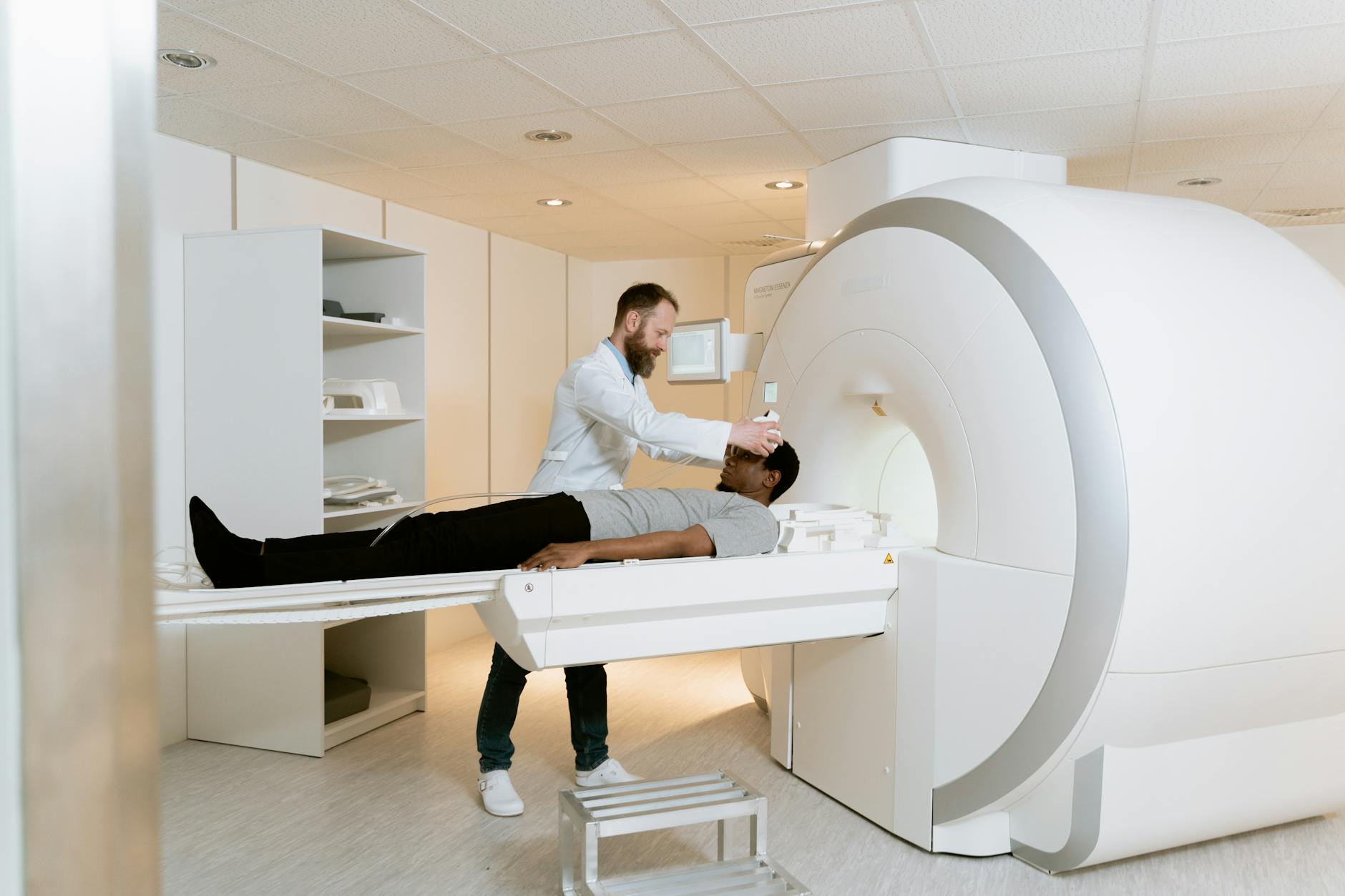
The health of our heart is paramount, and in India, where heart disease is a growing concern, understanding preventive measures is crucial. One such preventive tool is the Coronary Calcium Scan. This article delves into what a coronary calcium scan is, its costs in India, its benefits, and who should consider this important screening test. What is a Coronary Calcium Scan? A Coronary Calcium Scan, also known as a Cardiac CT Calcium Score or Coronary Artery Calcium (CAC) scan, is a non-invasive imaging test that uses X-rays to detect and measure the amount of calcified plaque in the walls of your coronary arteries. These arteries supply oxygen-rich blood to your heart muscle. Plaque buildup, a condition known as atherosclerosis, can narrow these arteries, restricting blood flow and increasing the risk of heart attack and stroke. The scan itself is a type of computed tomography (CT) scan. During the procedure, you'll lie on a table that slides into a donut-shaped scanner. Electrodes will be placed on your chest to monitor your heart's electrical activity, ensuring the X-ray images are captured at the right moment in your heartbeat. The scan is quick, usually taking about 10-15 minutes, and does not require any injections or contrast dye. Why is Calcium Important in Coronary Arteries? Calcium deposits are a sign of atherosclerosis, or hardening of the arteries. While calcium itself isn't the direct cause of a heart attack, its presence indicates that plaque has been building up in the artery walls over time. The amount of calcium detected in a coronary calcium scan provides a valuable indicator of the extent of this buildup and, consequently, your risk of developing coronary artery disease (CAD). A higher calcium score generally correlates with a higher risk of future cardiovascular events like heart attacks. Benefits of a Coronary Calcium Scan The primary benefit of a coronary calcium scan is its ability to provide a personalized risk assessment for heart disease. Unlike traditional risk factors (like high blood pressure, high cholesterol, diabetes, smoking, and family history) which give a general idea of risk, a calcium score offers a more direct and objective measure of existing plaque burden in the coronary arteries. This can: Identify individuals at high risk: For people with intermediate risk based on traditional factors, a calcium score can help clarify their actual risk. A high score might prompt more aggressive preventive measures. Guide treatment decisions: Based on the score, doctors can make more informed decisions about lifestyle changes, medications (like statins), and further diagnostic tests. For instance, a high score might lead to earlier initiation of statin therapy to lower cholesterol and reduce plaque progression. Reassure individuals at low risk: Conversely, a very low or zero calcium score can be reassuring and may allow some individuals to avoid or delay certain treatments, provided they maintain a healthy lifestyle. Detect asymptomatic disease: Coronary artery disease often develops silently for years without any symptoms. A calcium scan can detect this silent buildup, allowing for intervention before a major event occurs. Who Should Consider a Coronary Calcium Scan? While a coronary calcium scan can be beneficial for many, it is particularly recommended for individuals who fall into certain categories: Adults aged 40-75: This age group is generally considered for screening, especially if they have one or more risk factors for heart disease. Individuals with intermediate risk: If your risk of heart disease is estimated to be between 7.5% and 20% over the next 10 years based on traditional risk factors (like age, gender, blood pressure, cholesterol levels, smoking status, and diabetes), a calcium scan can help refine this assessment. Those with a family history of early heart disease: If close relatives (parents, siblings) have had heart attacks or other cardiovascular events at a young age, a scan can provide valuable information. Individuals with multiple risk factors: Even if your overall risk is not strictly 'intermediate', having several risk factors (e.g., high blood pressure and borderline high cholesterol) might warrant a discussion with your doctor about a scan. People with unexplained symptoms: In some cases, doctors might order a scan to investigate subtle symptoms that could be related to heart disease. It's important to note that a coronary calcium scan is generally not recommended for: Individuals with a very low risk of heart disease. People who have already been diagnosed with significant coronary artery disease or have had a heart attack or bypass surgery. Those who experience significant symptoms suggestive of acute heart problems, as other urgent tests might be needed. Cost of Coronary Calcium Scan in India The cost of medical procedures can vary significantly across different cities and healthcare facilities in India. While specific figures for coronary calcium scans can fluctuate, they are generally considered more affordable than invasive procedures like angiography. Estimated Cost Range: In major metropolitan cities like Mumbai, Delhi, Chennai, and Bangalore, the cost of a Coronary Calcium Scan typically ranges from ₹3,000 to ₹8,000 . In smaller towns or less equipped diagnostic centers, the cost might be slightly lower, perhaps starting from ₹2,500 . Factors Influencing Cost: Hospital/Diagnostic Center: Reputed hospitals and advanced diagnostic centers often charge more than smaller clinics. City: Costs are generally higher in Tier-1 cities compared to Tier-2 or Tier-3 cities. Technology Used: The type and age of the CT scanner can also influence the price. Inclusions: Some packages might include a preliminary consultation or a detailed report interpretation by a cardiologist, which could affect the overall cost. Insurance Coverage: It is important to check with your health insurance provider regarding coverage for preventive screenings like the coronary calcium scan. While some policies might cover it, especially if recommended by a doctor for specific risk factors, many consider it a screening test and may not offer full coverage. It is advisable to confirm this before undergoing the procedure. Diagnosis and Interpretation of Results The result of a coronary calcium scan is a 'calcium score'. This score quantifies the amount of calcium detected in the coronary arteries. The interpretation of this score is crucial and should always be done in conjunction with your doctor, considering your overall health profile and risk factors. Score of 0: This generally indicates no detectable calcium and is associated with a very low risk of heart attack in the next 10 years. However, it doesn't completely rule out the possibility of future heart disease, especially if risk factors persist. Low Score (e.g., 1-100): Suggests mild plaque buildup. The risk is still relatively low but warrants attention to lifestyle modifications. Moderate Score (e.g., 101-400): Indicates moderate plaque buildup. The risk of a heart attack is higher, and medical intervention, such as statin therapy, might be recommended. High Score (e.g., >400): Signifies significant plaque buildup and a substantially increased risk of coronary artery disease and heart attack. Aggressive management of risk factors and medical treatment is usually necessary. Your doctor will use this score, along with your age, gender, blood pressure, cholesterol levels, diabetes status, and smoking habits, to calculate your overall 10-year risk of a heart attack. This comprehensive assessment helps in tailoring the most appropriate management plan for you. Treatment and Prevention Strategies A coronary calcium scan is a diagnostic tool, not a treatment. However, its results guide treatment and prevention strategies: Lifestyle Modifications: Regardless of the score, adopting a heart-healthy lifestyle is fundamental. This includes: A balanced diet rich in fruits, vegetables, and whole grains, low in saturated fats, trans fats, and sodium. Regular physical activity (at least 150 minutes of moderate-intensity aerobic exercise per week). Maintaining a healthy weight. Quitting smoking. Managing stress effectively. Medications: If the calcium score indicates a significant risk, your doctor may prescribe medications such as: Statins: To lower LDL (bad) cholesterol and reduce inflammation in the arteries. Blood Pressure Medications: To control hypertension. Aspirin or other antiplatelet drugs: To prevent blood clots. Regular Follow-ups: Depending on your score and risk factors, your doctor will schedule regular check-ups to monitor your progress and adjust treatment as needed. When to Consult a Doctor It is advisable to consult your doctor to discuss whether a coronary calcium scan is appropriate for you. You should seek medical advice if you: Are between 40 and 75 years old and have one or more risk factors for heart disease. Have a family history of premature heart disease. Have been diagnosed with conditions like high blood pressure, high cholesterol, diabetes, or metabolic syndrome. Experience any concerning symptoms like chest pain, shortness of breath, or fatigue, although in such cases, immediate medical attention might be required for acute issues. Your doctor is the best person to assess your individual risk and determine if this screening test aligns with your health goals. Frequently Asked Questions (FAQ) 1. Is a Coronary Calcium Scan painful? No, the scan is completely painless. It is a non-invasive imaging test that does not involve any needles or injections. 2. How long does it take to get the results? The scan itself is quick, usually taking about 10-15 minutes. The results, including the calcium
In summary, timely diagnosis, evidence-based treatment, and prevention-focused care improve long-term health outcomes.