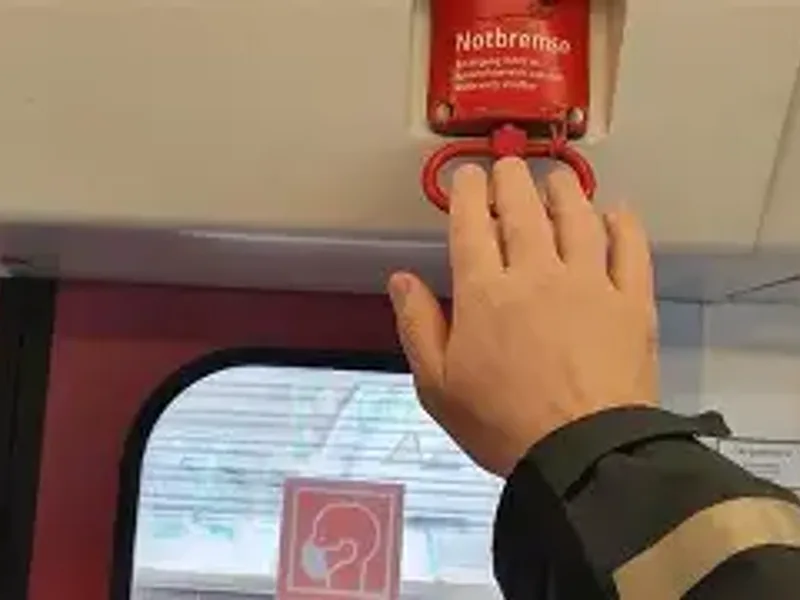
Heart Attack on a Train
A heart attack, or myocardial infarction, is a medical emergency where blood flow to the heart muscle is severely reduced or blocked. When this occurs in the confined space of a train, immediate and decisive action becomes vital. Recognizing the signs is the first crucial step.
Common Heart Attack Indicators
Chest pain or discomfort is the most frequent symptom. This can feel like pressure, squeezing, fullness, or pain in the center of the chest. It may last more than a few minutes, or it may go away and come back.
Other indicators include pain or discomfort in one or both arms, the back, neck, jaw, or stomach. Shortness of breath, nausea, lightheadedness, or cold sweats can also accompany these signs.
What most people miss: Symptoms can vary significantly between individuals, especially in women, older adults, and those with diabetes. These groups might experience less typical signs like fatigue, indigestion, or general weakness.
Immediate Actions to Take
If you suspect someone is having a heart attack on a train, remain calm and act swiftly. Time is critical; prompt intervention can significantly improve outcomes.
Alerting Train Staff and Emergency Services
Immediately notify the train conductor or any onboard staff. They are trained to handle emergencies and can initiate communication with railway control and external emergency medical services. Explain the situation clearly and provide the person’s location on the train. This initial alert is paramount for coordinating a rapid response.
That alone changes everything.
Practically speaking, ensure the staff understands the urgency. They will likely contact railway authorities, who can then dispatch medical teams to the nearest possible station for a swift handover. The train may even be rerouted or stopped at an unscheduled location to expedite medical care.
Assisting the Individual
While waiting for professional help, encourage the person to sit down and rest. Loosen any tight clothing, such as a scarf or collar, to ease breathing.
If the person has been prescribed nitroglycerin for chest pain and has it with them, assist them in taking it as directed by their physician. This medication can support dilate blood vessels, improving blood flow.
Should the person become unconscious and stop breathing normally, and if you are trained, begin Cardiopulmonary Resuscitation (CPR). Most modern trains are equipped with Automated External Defibrillators (AEDs).
Ask the train staff if an AED is available and how to use it. Deploying an AED as soon as possible dramatically increases the chances of survival.
But why does this happen? The train environment, while seemingly controlled, presents unique challenges. Limited access to immediate advanced medical care means that the actions taken by bystanders and staff are exceptionally crucial.
It sounds simple. It rarely is.
Post-Incident Procedures
Once emergency medical personnel arrive, provide them with all the information you have gathered. This includes the onset of manifestations, any medications the person took, and the actions you performed. Cooperate fully with their assessment and treatment plan.
In real-world terms, your observations can be invaluable to the medical team. They will take over the care, ensuring the person receives the most appropriate therapy and transport to a hospital for further evaluation and care. This collaborative effort between passengers, train staff, and medical professionals is key to a positive outcome.
Does this sound familiar? Many people worry about what to do in such a crisis. Knowing these steps can empower you to act confidently and effectively when it matters most.
Frequently Asked Questions
What if the person is unconscious?
If the individual is unconscious and not breathing normally, check for responsiveness. If unresponsive, immediately alert train staff to find an AED and call for emergency services. If trained, begin CPR until medical aid arrives or an AED is ready to use.
Can I give the person aspirin?
If the person is conscious and able to swallow, and they are not allergic to aspirin or advised against it by a doctor, giving them a regular-strength aspirin (325 mg) to chew slowly can be beneficial. Aspirin helps to thin the blood and can reduce the severity of heart damage during a heart attack.
Most people overlook this completely.
Always confirm with train staff or emergency responders if unsure.
How will paramedics reach the train?
Train staff will contact railway control, who will coordinate with local emergency services. Depending on the train's location, paramedics might meet the train at the next station, or in some cases, the train may be stopped at a more accessible point to allow for faster access by emergency vehicles.
Should I move the person?
Generally, avoid moving the person unless they are in immediate danger (e.g., fire, risk of falling). Keep them as still and comfortable as possible. If CPR is required, it may necessitate repositioning, but otherwise, minimal movement is best until professional medical assist takes over.