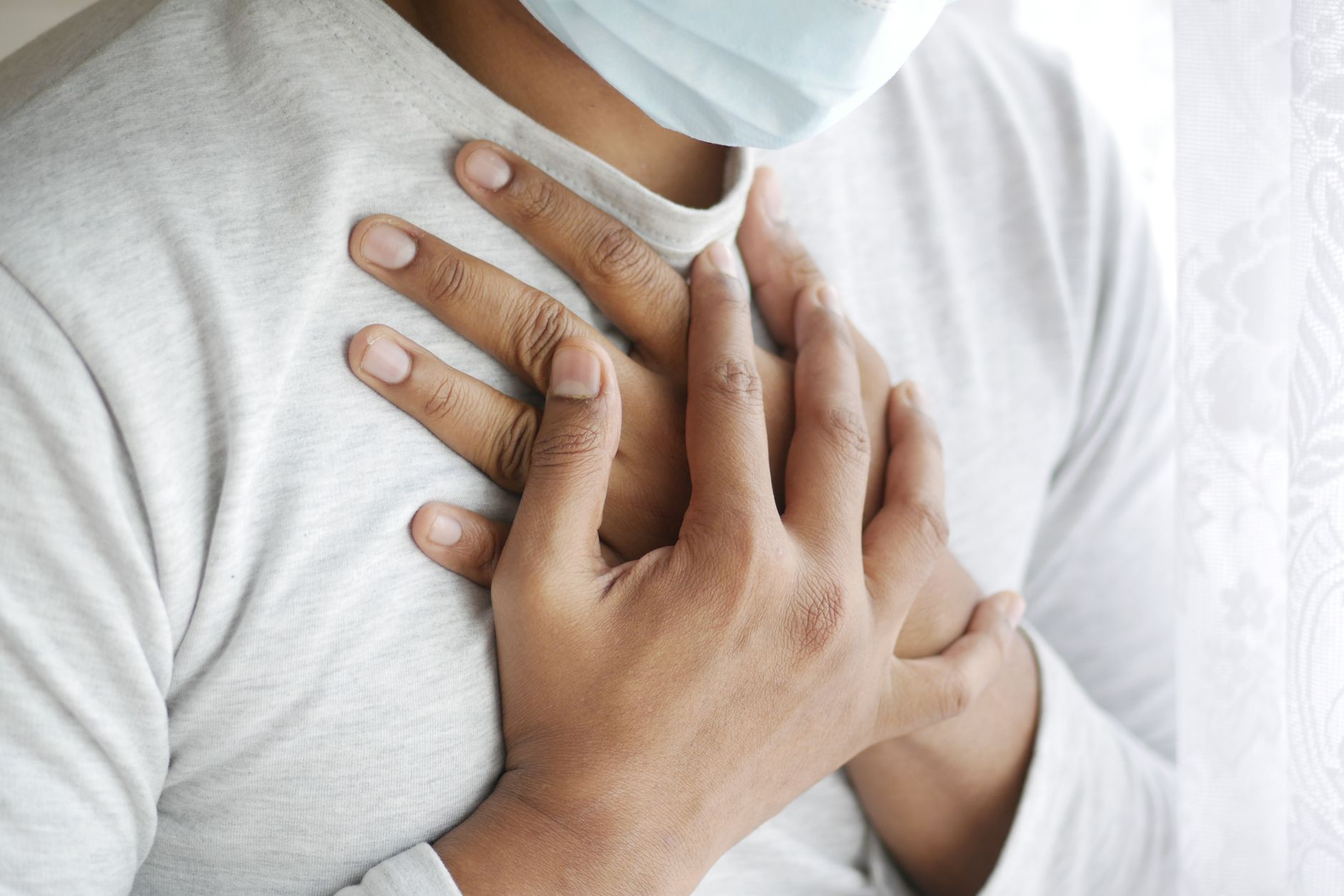
Understanding Heart Attack Symptoms: A Crucial Guide for Indian Readers A heart attack, medically known as a myocardial infarction, is a serious medical emergency that occurs when blood flow to a part of the heart muscle is severely reduced or blocked. This blockage deprives the heart muscle of oxygen, leading to damage or death of heart tissue. Recognizing the symptoms of a heart attack promptly and taking immediate action can significantly improve the chances of survival and recovery, minimizing long-term damage to the heart. This guide is tailored for Indian readers, providing clear, practical information on heart attack symptoms, what to do in an emergency, and preventive measures. What Happens During a Heart Attack? The heart is a vital organ responsible for pumping blood throughout the body. It receives its own blood supply through the coronary arteries. When one of these arteries becomes blocked, typically by a blood clot forming on a ruptured plaque, the flow of oxygen-rich blood to a section of the heart muscle is interrupted. If this blockage is not cleared quickly, the affected heart muscle begins to die. This is a heart attack. Common Heart Attack Symptoms While chest pain is the most widely recognized symptom, it's crucial to understand that heart attack symptoms can vary significantly from person to person. They can also differ based on age, sex, and underlying health conditions like diabetes. Awareness of these diverse signs is vital for timely intervention. Chest Pain or Discomfort This is the most common symptom, but it's not always severe or sudden. It can manifest as: A feeling of pressure, squeezing, fullness, or tightness in the center of the chest. Pain that may last for more than a few minutes, or it may go away and come back. It might not feel like typical pain; some describe it as discomfort or an unusual sensation. Pain or Discomfort in Other Areas of the Upper Body Heart attack pain can radiate beyond the chest to other parts of the upper body. This can include: Pain or discomfort in one or both arms (though often associated with the left arm, it can occur in the right arm or both). Pain or discomfort in the shoulders. Pain radiating to the neck, jaw, or back. Shortness of Breath Difficulty breathing or a feeling of being winded can occur with or without chest discomfort. This symptom can sometimes precede chest pain or occur suddenly. Other Potential Symptoms While less common, these symptoms can also indicate a heart attack: Cold sweat Nausea or vomiting Lightheadedness or dizziness Unusual fatigue or weakness A sense of impending doom or anxiety Heart Attack Symptoms in Women, Older Adults, and People with Diabetes It's particularly important to note that women, older adults, and individuals with diabetes may experience symptoms differently. These groups might have less typical or more subtle signs: Women: May experience shortness of breath, nausea/vomiting, back or jaw pain, indigestion, or extreme fatigue more often than chest pain. Older Adults: May dismiss symptoms like shortness of breath or fatigue as signs of aging rather than a heart attack. People with Diabetes: Nerve damage from diabetes can sometimes affect the nerves that signal pain, leading to 'silent' heart attacks with minimal or no noticeable symptoms. If you belong to any of these groups, it's crucial to discuss potential heart attack symptoms with your doctor and be extra vigilant. What to Do If You Suspect a Heart Attack Time is critical. Acting fast can save a life and minimize heart damage. Call Emergency Services Immediately: If you suspect you or someone else is having a heart attack, call your local emergency number (like 108 or 112 in India) right away. Do not delay. Do Not Drive Yourself: Never attempt to drive yourself to the hospital. Have someone else drive you, or wait for the ambulance. Driving yourself can be dangerous if your symptoms worsen suddenly, and it delays critical medical care. Chew Aspirin (If Advised): If you are not allergic to aspirin and have no contraindications, emergency services might advise you to chew one regular-strength (325 mg) or two to four low-dose (81 mg) aspirin while waiting for help. Aspirin can help prevent blood clots from growing larger. Always follow the dispatcher's or doctor's specific advice. Rest: Sit or lie down in a comfortable position and try to remain calm. Diagnosis of a Heart Attack When you arrive at the hospital, medical professionals will perform several tests to diagnose a heart attack: Electrocardiogram (ECG or EKG): This test records the electrical activity of the heart and can detect abnormalities. Blood Tests: These tests look for specific enzymes released into the bloodstream when the heart muscle is damaged. Other Tests: Depending on the situation, doctors may also use imaging tests like echocardiograms or angiograms. Treatment for Heart Attack Treatment aims to restore blood flow to the heart muscle as quickly as possible and prevent further damage. Common treatments include: Medications: Such as clot-busters (thrombolytics), blood thinners, beta-blockers, and ACE inhibitors. Procedures: Such as angioplasty (using a balloon to open blocked arteries) and stenting (inserting a small mesh tube to keep the artery open). Surgery: In some cases, coronary artery bypass grafting (CABG) surgery may be necessary. Preventing Heart Attacks While not all heart attacks can be prevented, adopting a heart-healthy lifestyle significantly reduces your risk: Healthy Diet: Focus on fruits, vegetables, whole grains, lean proteins, and healthy fats.
In summary, timely diagnosis, evidence-based treatment, and prevention-focused care improve long-term health outcomes.