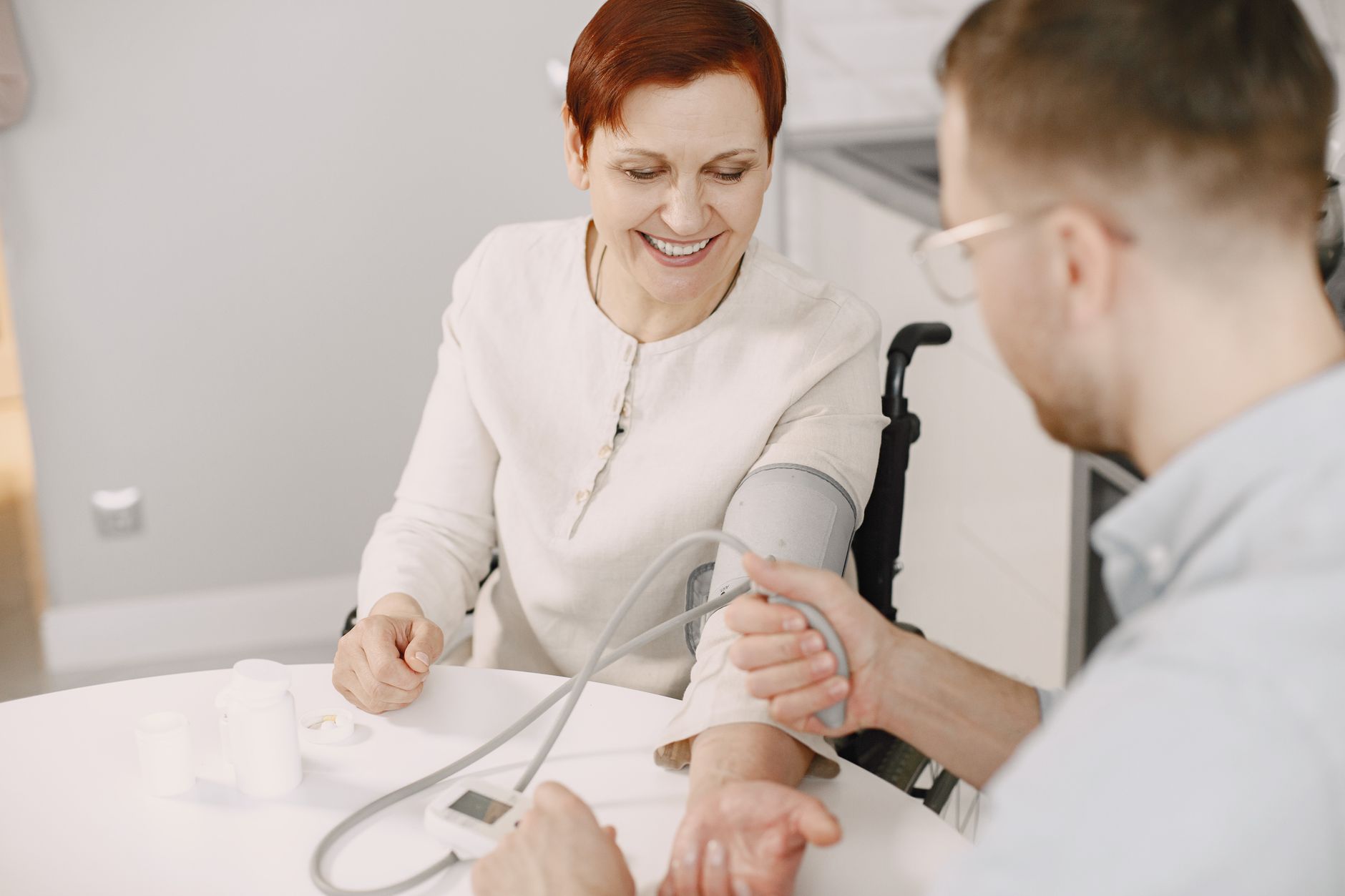
Understanding the Link Between High Cholesterol and High Blood Pressure High cholesterol and high blood pressure, also known as hypertension, are two common health conditions that often go hand-in-hand. While they might seem like separate issues, there's a significant connection between them that can increase your risk of serious health problems like heart disease, stroke, and kidney issues. Understanding this relationship is crucial for maintaining good cardiovascular health, especially for individuals in India where lifestyle-related diseases are on the rise. What is High Cholesterol? Cholesterol is a waxy, fat-like substance that's essential for your body to function. It's used to build healthy cells, produce certain hormones, and aid in digestion. Your body produces some cholesterol naturally, and you also absorb it from certain foods you eat. However, when the levels of cholesterol in your blood become too high, it can lead to health problems. There are two main types of cholesterol: Low-Density Lipoprotein (LDL): Often called "bad" cholesterol, LDL can build up in your arteries, forming plaque. This plaque can narrow and harden your arteries, making it difficult for blood to flow. High-Density Lipoprotein (HDL): Known as "good" cholesterol, HDL helps remove excess cholesterol from your arteries and transport it back to the liver for removal from the body. High cholesterol is generally diagnosed when your LDL levels are too high, your HDL levels are too low, or both. Doctors use specific guidelines to determine what constitutes a high cholesterol level, considering both LDL and HDL values, as well as total cholesterol. What is High Blood Pressure (Hypertension)? High blood pressure, or hypertension, is a condition where the force of blood against your artery walls is consistently too high. This forces your heart to work harder to pump blood, which can damage your blood vessels and organs over time. The Connection: How High Cholesterol Leads to High Blood Pressure The link between high cholesterol and high blood pressure is primarily due to the way high cholesterol affects your arteries. Here's how it works: Plaque Buildup: When you have high levels of LDL cholesterol, it can accumulate in the walls of your arteries. This buildup, known as atherosclerosis, forms a sticky plaque. Artery Narrowing and Stiffening: Over time, this plaque hardens and narrows your arteries. This makes them less flexible and elastic. Think of it like a pipe getting clogged with debris – it restricts the flow of water. Increased Resistance: As your arteries become narrower and stiffer, your blood faces more resistance as it tries to flow through them. Higher Blood Pressure: To overcome this increased resistance and ensure blood reaches all parts of your body, your heart has to pump with more force. This results in higher blood pressure. Essentially, high cholesterol creates the conditions (narrowed, stiff arteries) that lead to high blood pressure. Studies have shown a direct relationship between cholesterol levels and blood pressure, with higher cholesterol levels often predicting an increased risk of developing hypertension. The Danger of Combined Risk Factors Having both high cholesterol and high blood pressure significantly amplifies your risk of cardiovascular problems. When these two conditions coexist, they don't just add up; they work synergistically to damage your blood vessels and heart more rapidly. Even if your cholesterol and blood pressure levels are only mildly elevated, their combined presence can accelerate the damage to your blood vessels. This interaction can set the stage for serious events such as: Heart Attack: A blockage in the arteries supplying blood to the heart. Stroke: A blockage or rupture of blood vessels in the brain. Kidney Malfunction: Damage to the blood vessels in the kidneys, impairing their function. Vision Loss: Damage to the blood vessels in the eyes. Causes of High Cholesterol Several factors can contribute to high cholesterol levels: Diet: Consuming foods high in saturated and trans fats can raise LDL cholesterol. Weight: Being overweight or obese can increase cholesterol levels. Physical Activity: Lack of regular exercise can lead to lower HDL cholesterol and higher LDL cholesterol. Genetics: Family history plays a role; some people inherit a tendency to have high cholesterol. Age and Gender: Cholesterol levels tend to rise with age. Before menopause, women generally have lower cholesterol levels than men, but after menopause, women's LDL levels often increase. Diagnosis Both high cholesterol and high blood pressure are typically diagnosed through simple medical tests: Cholesterol Test (Lipid Panel): A blood test that measures your total cholesterol, LDL, HDL, and triglycerides. Blood Pressure Measurement: Taken using a sphygmomanometer, this involves measuring the systolic (top number) and diastolic (bottom number) pressure. Regular check-ups with your doctor are essential for monitoring these levels. Treatment and Management Managing high cholesterol and high blood pressure often involves a combination of lifestyle changes and, if necessary, medication. Lifestyle Changes: Healthy Diet: Focus on fruits, vegetables, whole grains, lean proteins, and healthy fats. Limit saturated fats, trans fats, and added sugars. Regular Exercise: Aim for at least 150 minutes of moderate-intensity aerobic activity or 75 minutes of vigorous-intensity activity per week, plus muscle-strengthening activities at least two days a week. Weight Management: Losing even a small amount of weight can significantly improve cholesterol and blood pressure levels. Quit Smoking: Smoking damages blood vessels and lowers HDL cholesterol. Limit Alcohol: Excessive alcohol consumption can raise blood pressure and triglyceride levels. Medications: If lifestyle changes aren't enough, your doctor may prescribe medications. For high cholesterol, statins are commonly prescribed. For high blood pressure,
In summary, timely diagnosis, evidence-based treatment, and prevention-focused care improve long-term health outcomes.