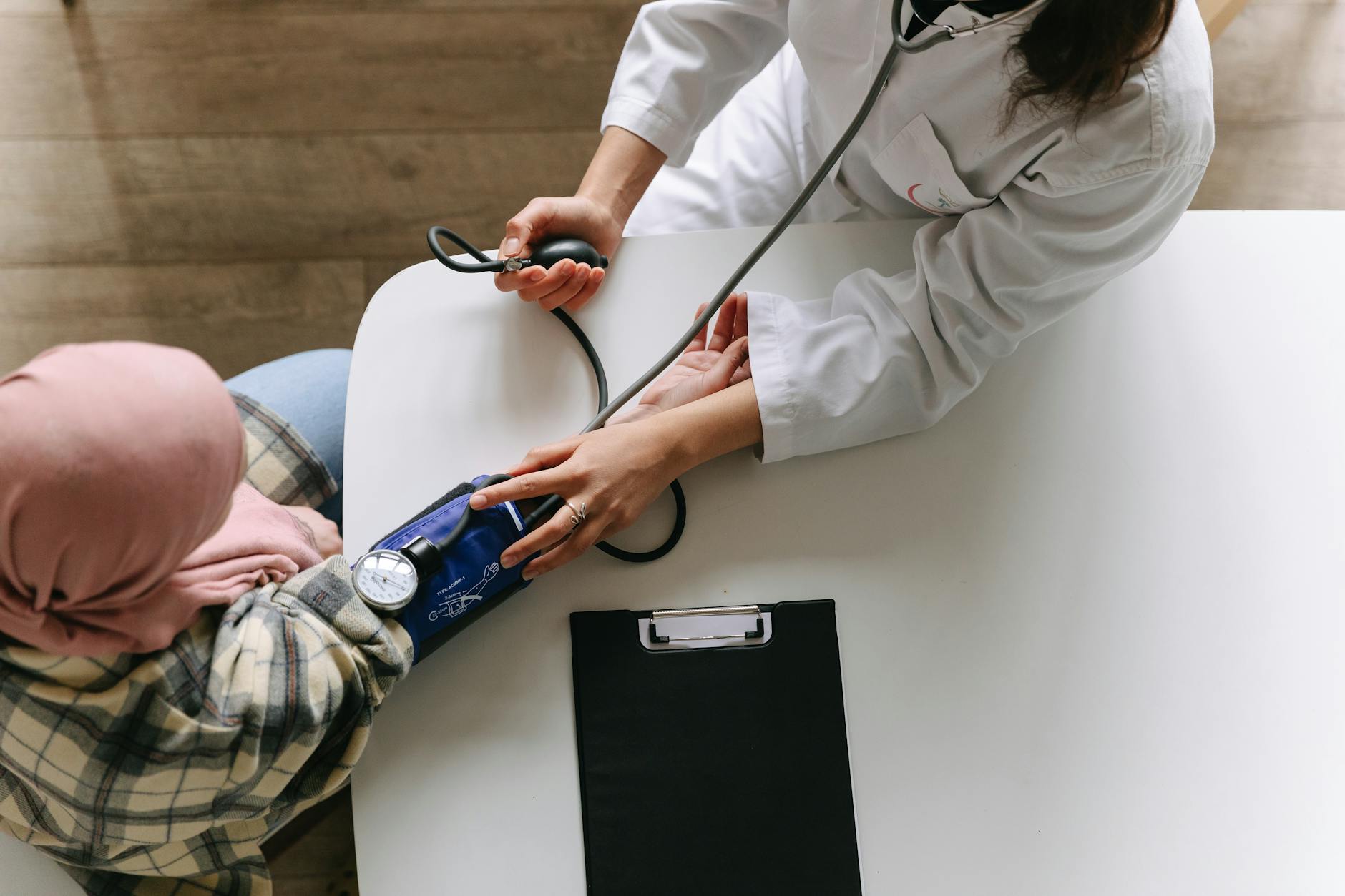
Understanding Hypertension: The Silent Killer
Hypertension, commonly known as high blood pressure, is a pervasive health condition that affects a significant portion of the adult population. It is often referred to as the "silent killer" because it typically progresses without noticeable symptoms, especially in its early stages. This lack of overt signs can lead individuals to remain unaware of their condition, allowing it to cause serious damage to vital organs over time. Understanding hypertension, its risks, and how to manage it is crucial for maintaining long-term health and preventing life-threatening complications.
What is Blood Pressure and Hypertension?
Blood pressure is the force exerted by circulating blood against the walls of your arteries. It is measured in millimeters of mercury (mm Hg) and consists of two numbers: systolic pressure and diastolic pressure. Systolic pressure is the measurement when your heart beats, and diastolic pressure is the measurement when your heart rests between beats.
Hypertension occurs when this blood pressure is consistently higher than the normal range. High blood pressure forces the heart to work harder and can damage blood vessels over time, increasing the risk of heart disease, stroke, kidney disease, and other serious health problems.
Why is Hypertension Called the "Silent Killer"?
The term "silent killer" is used for hypertension because it often presents no clear symptoms. Many people live with high blood pressure for years without experiencing any discomfort or warning signs. This makes regular blood pressure monitoring essential, as it is often discovered only during a routine medical check-up or when complications have already begun to develop. The absence of symptoms can create a false sense of security, leading to delayed diagnosis and treatment.
Blood Pressure Ranges and Diagnosis
Healthcare professionals use specific guidelines to diagnose and categorize blood pressure levels. While guidelines can be updated, the general understanding is as follows:
- Normal Blood Pressure: Generally considered to be below 120/80 mm Hg.
- Elevated Blood Pressure: Systolic between 120-129 mm Hg and diastolic less than 80 mm Hg. This stage indicates a higher risk of developing hypertension.
- Hypertension Stage 1: Systolic between 130-139 mm Hg or diastolic between 80-89 mm Hg.
- Hypertension Stage 2: Systolic 140 mm Hg or higher, or diastolic 90 mm Hg or higher.
- Hypertensive Crisis: Systolic higher than 180 mm Hg and/or diastolic higher than 120 mm Hg. This requires immediate medical attention.
It is important to note that a diagnosis of hypertension is typically made based on an average of two or more readings taken on separate occasions. If you are unsure about the guidelines your doctor is using, it is always best to ask for clarification.
Who is at Risk for Hypertension?
Several factors can increase an individual's risk of developing hypertension:
- Age: The risk of hypertension increases with age.
- Family History: Having a close family member with hypertension increases your risk.
- Race: Hypertension complications disproportionately affect Black communities more than other racial or ethnic groups.
- Obesity: Being overweight or obese is a significant risk factor.
- Lack of Physical Activity: A sedentary lifestyle contributes to higher blood pressure.
- Unhealthy Diet: Diets high in sodium, unhealthy fats, and low in potassium can raise blood pressure.
- Tobacco Use: Smoking and using other tobacco products damages blood vessels and raises blood pressure.
- Excessive Alcohol Consumption: Drinking too much alcohol can increase blood pressure.
- Stress: Chronic stress can contribute to hypertension.
- Certain Chronic Health Conditions: Conditions like diabetes, kidney disease, and sleep apnea are linked to hypertension.
Older adults face a compounded risk, as age-related changes and other common conditions like diabetes and coronary artery disease increase their susceptibility to uncontrolled hypertension. Factors like financial barriers and forgetfulness can also play a role in managing the condition in this age group.
Complications of Untreated Hypertension
If left unmanaged, hypertension can lead to severe health complications, significantly impacting quality of life and lifespan. These include:
- Heart Disease: Including heart attacks, heart failure, and coronary artery disease.
- Stroke: Damage to the brain due to interrupted blood supply.
- Kidney Disease: Damage to the kidneys, potentially leading to kidney failure.
- Vision Loss: Damage to the blood vessels in the eyes.
- Peripheral Artery Disease (PAD): Narrowing of arteries in the limbs.
- Cognitive Impairment: Affecting memory and thinking abilities.
Managing and Preventing Hypertension
Fortunately, hypertension is often manageable and preventable through lifestyle modifications and, when necessary, medication. The goal is to lower blood pressure and reduce the risk of complications.
Lifestyle Changes:
- Healthy Diet: Adopt a diet rich in fruits, vegetables, whole grains, and lean proteins. Reduce sodium intake and limit saturated and trans fats. The DASH (Dietary Approaches to Stop Hypertension) diet is highly recommended.
- Regular Exercise: Aim for at least 150 minutes of moderate-intensity aerobic activity or 75 minutes of vigorous-intensity activity per week, along with muscle-strengthening activities.
- Maintain a Healthy Weight: Losing even a small amount of weight can significantly lower blood pressure.
- Limit Alcohol: If you drink alcohol, do so in moderation.
- Quit Smoking: Quitting smoking is one of the best things you can do for your cardiovascular health.
- Manage Stress: Practice stress-reducing techniques such as deep breathing, meditation, or yoga.
- Adequate Sleep: Aim for 7-9 hours of quality sleep per night.
Medications:
In cases where lifestyle changes are not sufficient, doctors may prescribe medications to help control blood pressure. These can include diuretics, ACE inhibitors, beta-blockers, calcium channel blockers, and others. Some medications, like alpha-2 receptor agonists (central agonists), work by affecting the central nervous system to lower blood pressure. It is crucial to take prescribed medications exactly as directed and to attend all follow-up appointments.
When to Consult a Doctor
Regular blood pressure checks are vital for everyone, especially for those with risk factors. You should consult a doctor if:
- You have never had your blood pressure checked.
- You have a family history of hypertension.
- You have any of the risk factors mentioned above.
- You experience symptoms like severe headaches, dizziness, chest pain, or shortness of breath, which could indicate a hypertensive crisis or complication.
- You have been diagnosed with hypertension and need to discuss your treatment plan or if your blood pressure is not well-controlled.
Don't wait for symptoms to appear. Proactive monitoring and management are key to preventing the serious consequences of hypertension. By understanding this "silent killer" and taking steps to manage your blood pressure, you can significantly improve your overall health and well-being.