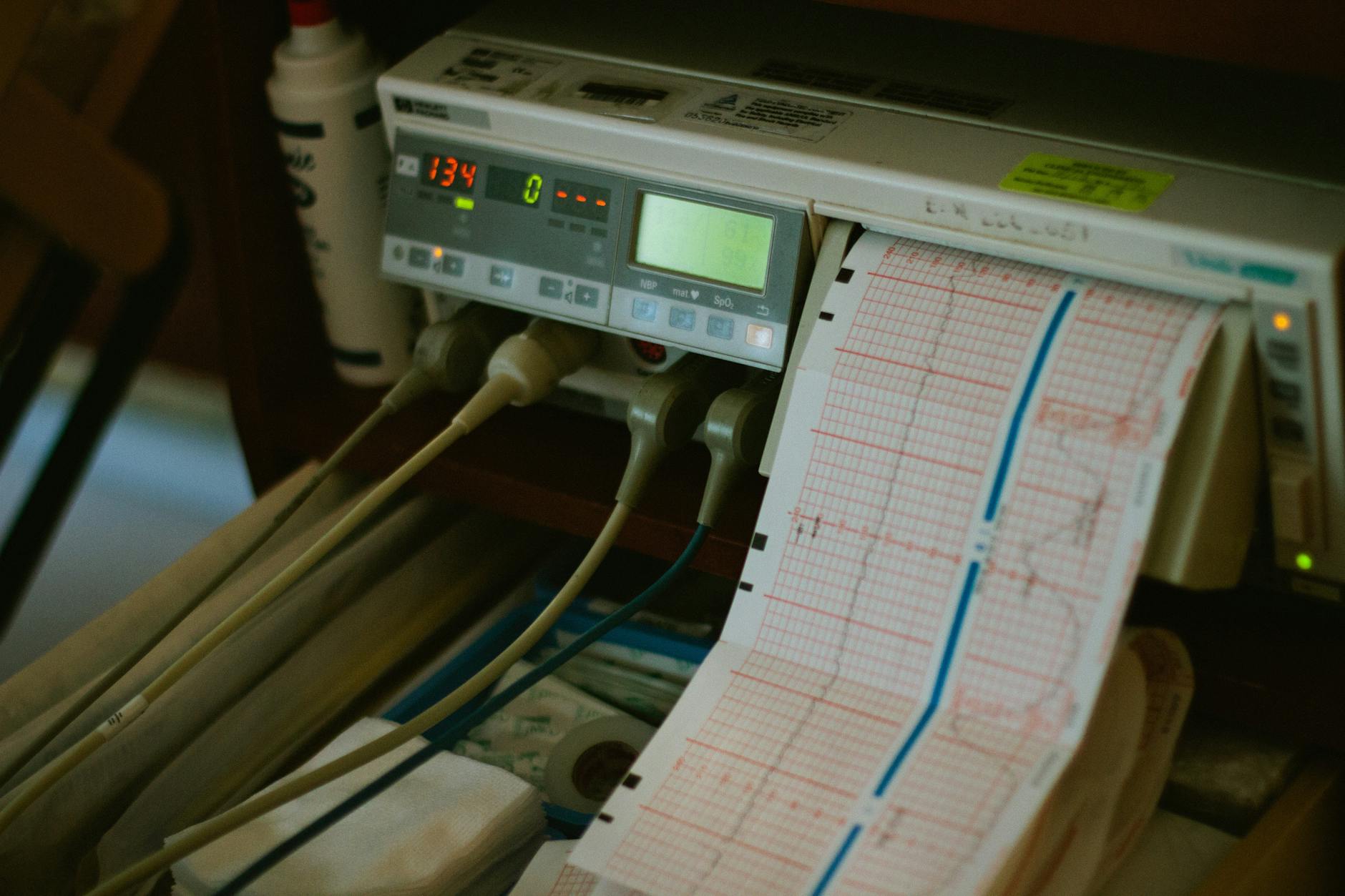
What is Atrial Fibrillation (AFib) After Bypass Surgery? Atrial fibrillation, commonly known as AFib, is a type of irregular heartbeat that can occur after a person undergoes coronary artery bypass surgery (also called bypass surgery). This procedure is performed to improve blood flow to the heart by diverting blood around blocked arteries. AFib is the most frequent complication following such surgeries, affecting a significant percentage of patients. While it is often temporary and resolves on its own within a few weeks, it can also be associated with increased risks of other serious cardiovascular issues, including stroke. Understanding the causes, symptoms, and management of AFib after bypass surgery is crucial for patient recovery and long-term heart health. How Common is AFib After Bypass Surgery? Coronary artery bypass surgery is a common procedure, with hundreds of thousands performed annually. AFib is a well-recognized complication, occurring in a substantial portion of these patients, typically ranging from 15% to 45%. Fortunately, in most cases, AFib that develops after bypass surgery is transient, meaning it resolves spontaneously within about six weeks post-operation. However, even a temporary episode can signal underlying vulnerabilities and increase the risk of future cardiac events. What Causes AFib After Bypass Surgery? The development of AFib after bypass surgery is complex and multifactorial. Several factors contribute to its occurrence: Physical Stress and Inflammation: The heart undergoes significant physical stress and inflammation during and after bypass surgery. This trauma can disrupt the heart's normal electrical signaling pathways, leading to irregular rhythms. Sympathetic Nervous System Changes: Surgery can trigger changes in the sympathetic nervous system, which controls the body's 'fight or flight' response. These changes can affect heart rate and rhythm. Ischemia: Reduced blood supply to the atria (the heart's upper chambers) during or after surgery, known as ischemia, can also trigger AFib. Electrolyte Imbalances: The body's balance of electrolytes (like potassium and magnesium) is critical for proper heart function. Surgery and recovery can sometimes lead to imbalances that promote irregular heartbeats. Sepsis: In some cases, the development of sepsis, a life-threatening response to infection, can also contribute to AFib. Risk Factors for Developing AFib After Bypass Surgery Certain pre-existing health conditions and factors can increase an individual's likelihood of developing AFib after bypass surgery: Higher levels of creatinine in the blood before surgery (indicating kidney strain). Lower levels of hemoglobin in the blood before surgery (anemia). Reduced left ventricular ejection fraction (a measure of how well the heart's main pumping chamber is working). The need for inotropic medications (which help the heart contract more strongly) after surgery. Experiencing kidney failure after surgery. The onset of AFib typically occurs 2 to 3 days after the bypass procedure. Symptoms of AFib After Bypass Surgery Not everyone who develops AFib after bypass surgery will experience noticeable symptoms. Some individuals may be unaware they have it. However, when symptoms do occur, they can include: A very fast heartbeat, sometimes exceeding 100 beats per minute. Palpitations (a feeling of fluttering or pounding in the chest). Shortness of breath. Fatigue or weakness. Dizziness or lightheadedness. Chest pain. It is important to report any new or unusual symptoms to your healthcare provider immediately. Diagnosis of AFib After Bypass Surgery Diagnosing AFib after bypass surgery usually involves: Electrocardiogram (ECG or EKG): This is the primary tool for diagnosing AFib, as it records the electrical activity of the heart and can detect the characteristic irregular rhythm. Physical Examination: Your doctor will listen to your heart and check your pulse for irregularities. Monitoring: In some cases, continuous heart monitoring may be used to capture intermittent episodes of AFib. Treatment and Management of AFib After Bypass Surgery The management of AFib after bypass surgery focuses on restoring a normal heart rhythm, controlling the heart rate, and preventing complications, particularly stroke. Treatment strategies may include: Rate Control Medications: Medications like beta-blockers or calcium channel blockers are often prescribed to slow down the heart rate. Rhythm Control Medications: Antiarrhythmic drugs may be used to help restore and maintain a normal heart rhythm. Oral Anticoagulation: Due to the increased risk of stroke, blood-thinning medications (anticoagulants) are frequently prescribed. These help prevent blood clots from forming and traveling to the brain. Electrical Cardioversion: In some cases, a controlled electrical shock may be used to reset the heart's rhythm back to normal, especially if medications are not effective or if the patient is hemodynamically unstable. The specific treatment plan will be tailored to the individual patient's condition, the duration and severity of AFib, and their overall health status. Complications of AFib After Bypass Surgery While AFib after bypass surgery is often temporary, it is associated with significant short-term and long-term risks. Studies have shown that individuals who develop AFib following bypass surgery may have an increased risk of: Stroke: The risk of ischemic stroke can be significantly elevated, by as much as 18% or more, and the overall risk of stroke can be up to four times higher in the year following the event. Thromboembolic Episodes: These are events caused by blood clots that travel through the bloodstream, potentially leading to blockages in other parts of the body. Heart Failure: There can be a notable increase in the risk of heart failure requiring hospitalization. These complications underscore the importance of diligent monitoring and appropriate medical management. Prevention and When to Consult a Doctor While it's challenging to completely prevent AFib after bypass surgery, managing underlying risk factors before and
In summary, timely diagnosis, evidence-based treatment, and prevention-focused care improve long-term health outcomes.