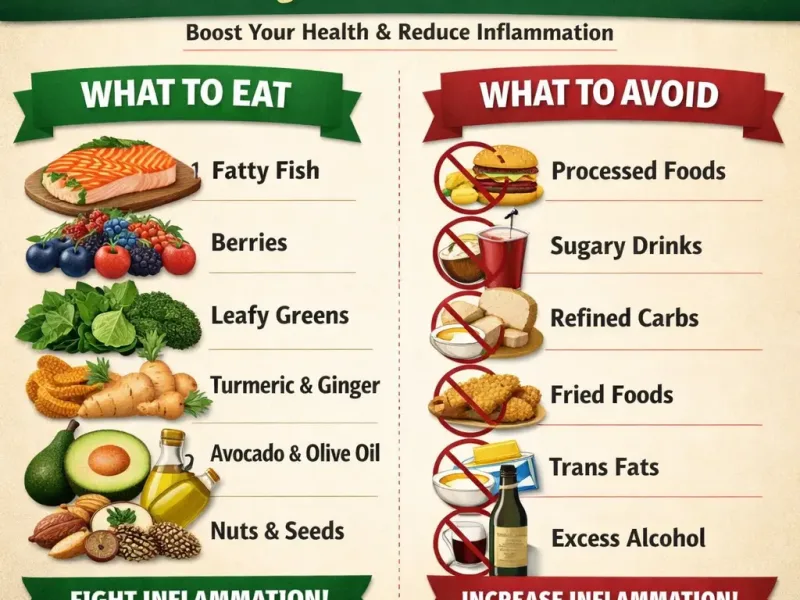
Chronic inflammation drives heart disease, diabetes, and cancer. Discover the most powerful anti-inflammatory foods backed by nutritional science.
The Anti-Inflammatory Foods that fight Chronic Disease
The inflammation is an essential activity of the immune system - but when it is chronic and systemic it insidiously diffuses into tissues, blood vessels and organs. Recent research has familiarized chronic inflammation as the cause of cardiovascular disease, diabetes (type 2) and certain forms of cancer, Alzheimer disease as well as autoimmune diseases. Instead of a supplement or a drug the most useful tool in the fight against it is anti-inflammatory foods consumed on a regular basis.
The Dietary Inflammation Scientific rationale
The food that you eat can impact the inflammation process in various ways: It can change the composition of the gut microbiome, regulate gene expression via epigenetic pathways, control arachidonic acid metabolism and cytokine synthesis. The normal Western diet (high carbohydrates, omega-6 fatty acids, trans fats, ultra-processed foods) facilitates the production of the pro-inflammatory cytokines, such as TNF-alpha, IL-1beta and IL-6. Whole plants that are full of substances that actively prevent such pathways, on the other hand, are vegetables and fatty fish. In 2020, the researchers released a meta-analysis, which had discovered that anti-inflammatory dietary pattern could decrease cardiovascular mortality by 25-30 percent. It is not a side effect but rather a clinical effect.
The best foods that have been tested to decrease the systemic inflammation are:
Fatty fish (salmon, sardines, mackerel): Oxygenated fatty acids (EPA, DHA) in large amounts that have the direct anti-inflammatory effect, preventing the synthesis of prostaglandins.
Extra virgin olive oil: this has oleocanthal which is as good as ibuprofen has the COX-inhibitory property.
Turmeric and black pepper: Curcumin is a strong NF-kB inhibitor; 2000 times more bioavailable when used with piperine.
Dark berries (blueberries, cherries, blackcurrants): such kinds of berries contain high levels of anthocyanins, which suppress CRP and oxidative stress.
Leafy greens (spinach, kale, Swiss chard): Vitamin K and flavonoids decrease vascular inflammation.
Walnuts: This is a nut containing ALA omega-3; it is linked with the decrease in IL-6.
Green tea: NF-kB prevention and decrease of inflammatory markers by EGCG polyphenols.
Obtaining: tomatoes Lycopene, cooked tomatoes with olive oil, in particular, reduce LDL oxidation and CRP.
It is also important not to take the most inflammatory foods that include refined seed oils (in large quantities), foods that have white flour, added sugar, processed meat, trans fats and alcohol in large quantities. Healthy products with the label of healthy (e.g. flavoured yoghurts, granola bars, fruit juices) can have sufficient added sugar to encourage them to eat them regularly and gain inflammatory markers.
Conclusion
Anti-inflammatory foods are not drugs, they will not have a quick effect and the effect will be realized only during regular, gradual consumption of weeks and months. Prepare meals using fatty fish, olive oil, vegetables and berries and you will be healing the inflammation on a cellular level. Add to this small amount of ultra-processed food, a large amount of disease-protective food and you have a type of food that is completely disease protective and with a very high supporting factor.
1. What causes chronic inflammation?
Mainly poor diet, stress, and excess processed foods, leading to constant immune activation.
2. Which foods reduce inflammation?
Fatty fish, olive oil, berries, leafy greens, turmeric, and green tea.
3. Which foods increase inflammation?
Sugar, refined carbs, processed meat, trans fats, and excess alcohol.
Author: Doctar team
Disclaimer- For more information connect with Doctor on Doctar.