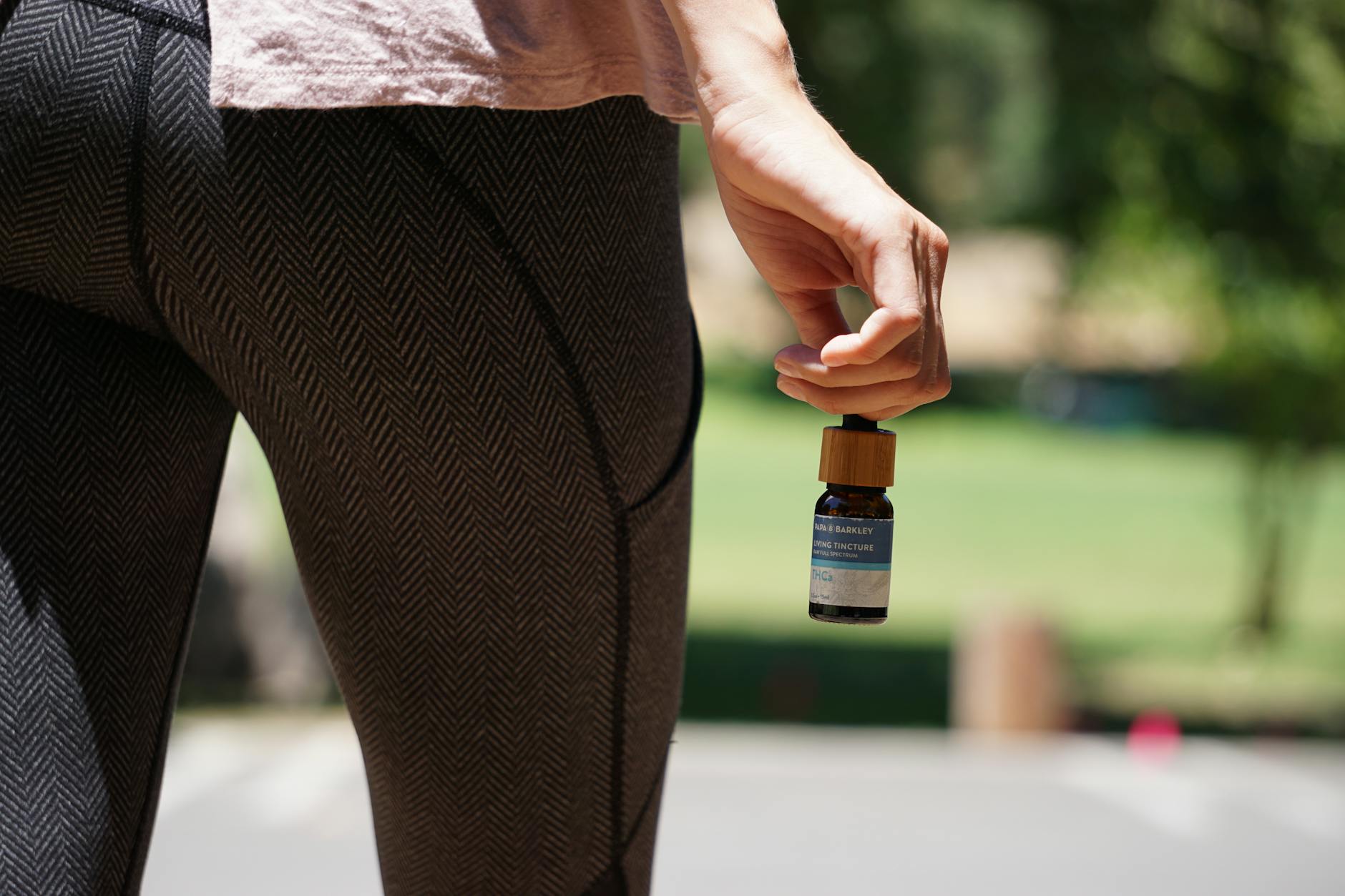
The use of cannabidiol (CBD) for various health conditions has gained significant attention in recent years. As research expands, so does the interest in its potential applications for managing symptoms associated with chronic illnesses like HIV. While CBD is derived from the cannabis plant, it's crucial to understand that it is distinct from THC (tetrahydrocannabinol), the compound responsible for the psychoactive "high." CBD products, available in various forms such as oils, edibles, and topicals, are being explored for their potential therapeutic effects. This article delves into the current understanding of how CBD might interact with HIV, examining potential benefits, safety considerations, and the importance of consulting with a healthcare professional.
Understanding CBD and HIV
CBD, or cannabidiol, is one of many compounds found in the cannabis plant. Unlike THC, CBD does not produce a euphoric effect. Its potential therapeutic properties are thought to stem from its interaction with the body's endocannabinoid system, which plays a role in regulating various physiological processes, including pain, mood, and appetite. For individuals living with HIV, managing symptoms and side effects of treatment can be a significant challenge. Research is exploring whether CBD can offer relief in areas such as pain, inflammation, anxiety, and appetite loss, which are common concerns for people with HIV.
Potential Benefits of CBD for HIV Symptoms
While research is still in its early stages, some studies suggest potential benefits of CBD for individuals with HIV:
- Pain and Inflammation: CBD is known for its potential anti-inflammatory and analgesic properties. Chronic inflammation can be a concern for people with HIV, and CBD may help alleviate associated discomfort.
- Anxiety and Mood: Many people living with chronic conditions experience anxiety and mood disturbances. Preliminary research indicates that CBD may have anxiolytic effects, potentially helping to improve mood and reduce feelings of anxiety.
- Appetite and Weight Loss: Unintentional weight loss and poor appetite can be challenging for individuals with HIV. Some research suggests that cannabis-derived products, including those with CBD, might help stimulate appetite and mitigate weight loss.
- Nausea and Vomiting: Side effects from antiretroviral therapy (ART) can include nausea and vomiting. While THC has been approved for these symptoms, the role of CBD alone is still under investigation.
- Neuroprotection: Emerging research, including a 2021 review, has explored CBD's potential to reduce oxidative stress and neuronal loss, which could be relevant for neurological complications associated with HIV.
Safety and Considerations for People with HIV
The safety of using CBD, especially in conjunction with HIV medications, is a critical consideration. It's essential to approach CBD use with caution and under medical supervision.
- Drug Interactions: One of the most significant concerns is the potential for CBD to interact with other medications. Research from 2019 highlighted that CBD might have strong interactions with certain antidepressants, blood thinners, and other drugs. For individuals on Antiretroviral Therapy (ART), the standard treatment for HIV, understanding these potential interactions is paramount. The safety of taking CBD alongside ART or pre-exposure prophylaxis (PrEP) medications is not yet clearly established.
- THC Content: While CBD products are generally considered non-psychoactive, some products derived from hemp may contain trace amounts of THC (up to 0.3%). While this amount is unlikely to cause a high, it's important to be aware of the source and purity of the CBD product.
- FDA Approval: The U.S. Food and Drug Administration (FDA) has approved certain CBD-containing medications for specific conditions, such as Epidiolex for epilepsy. However, the FDA has not approved CBD as a treatment for HIV symptoms. It's important to note that the FDA has approved dronabinol (a synthetic form of THC) under brand names like Syndros and Marinol for appetite loss and weight loss in HIV patients, as well as for nausea and vomiting associated with chemotherapy.
- Product Quality and Regulation: The CBD market is not always well-regulated. The quality, purity, and actual CBD content can vary significantly between products. The FDA has stated that CBD products cannot be legally sold as dietary supplements, and there are no formal dosing guidelines.
When to Consult a Doctor
Given the complexities and potential risks, consulting a healthcare professional is non-negotiable before considering CBD for HIV symptom management. Your doctor can:
- Assess your individual health status and current medications.
- Discuss the potential benefits and risks of CBD in your specific situation.
- Advise on potential drug interactions with your ART or other medications.
- Help you understand the current state of research and what is known about CBD's efficacy and safety for HIV.
- Guide you on choosing reputable products if they decide it's appropriate to try.
Conclusion
The exploration of CBD for managing HIV symptoms is an evolving area of research. While promising preliminary findings suggest potential benefits in areas like pain, inflammation, and anxiety, significant questions remain regarding safety, efficacy, and drug interactions, particularly with ART. For individuals living with HIV in India and worldwide, prioritizing evidence-based treatments and open communication with healthcare providers is essential. Relying on unproven remedies can be risky and may interfere with effective medical care. Always discuss any new supplements or treatments, including CBD, with your doctor to ensure they are safe and appropriate for your health needs.
Frequently Asked Questions (FAQ)
1. Can CBD cure HIV?
No, there is currently no scientific evidence to suggest that CBD can cure HIV. HIV is a chronic condition that requires ongoing medical management with antiretroviral therapy (ART).
2. Is it safe to take CBD with HIV medications?
The safety of taking CBD with HIV medications (ART) is not yet well-established. CBD can potentially interact with other medications, and it's crucial to consult your doctor before combining them.
3. What are the potential side effects of CBD?
While generally considered safe, potential side effects of CBD can include fatigue, diarrhea, changes in appetite, and changes in weight. These can vary from person to person.
4. Where can I find reliable information about CBD and HIV?
Reliable information can be found through reputable medical journals, government health organizations (like the National Institutes of Health or WHO), and by speaking directly with your healthcare provider who is knowledgeable about HIV treatment and emerging therapies.
5. Can I buy CBD products legally in India?
The legal status of CBD products in India can be complex and may vary. It is advisable to check the latest regulations and consult with legal experts or healthcare professionals regarding the purchase and use of CBD products in India.