Living with Hepatitis C in India can feel like navigating a complex maze, and your diet plays a surprisingly significant role in managing this condition. Your liver, the unsung hero working tirelessly to process everything you eat and drink, is already under strain. The inflammation caused by Hepatitis C can lead to scarring, known as cirrhosis, and a decline in liver function over time. Think of it this way: your liver is juggling a lot, and what you put on your plate can either add to the burden or offer some much-needed relief. This isn't about a restrictive, joyless diet; it's about making smart, nourishing choices that support your liver's health and improve your overall well-being. We'll explore what to embrace and what to limit, keeping in mind the vibrant flavours and diverse ingredients available right here in India. Remember, a healthy diet is your ally in fighting Hepatitis C, helping to manage its impact and potentially reducing the risk of complications.
Why Diet Matters So Much for Hepatitis C
Your liver is your body's primary filter and processing plant. When Hepatitis C strikes, this vital organ battles inflammation. Left unchecked, this inflammation can lead to serious long-term issues like cirrhosis (severe scarring) and reduced liver function. Making conscious dietary choices can significantly ease this burden. Beyond supporting your liver, a balanced diet is fundamental for your general health. It bolsters your immune system, a critical defence against infections and further damage. Furthermore, maintaining a healthy weight is paramount. Obesity or being overweight can lead to a condition called hepatic steatosis, or fatty liver disease, which can complicate Hepatitis C management and accelerate liver damage. So, eating well isn't just about what you eat; it's about actively participating in your own recovery and long-term health.
The Pillars of a Hepatitis C-Friendly Diet
While there isn't a single, rigid diet plan for Hepatitis C, a healthy, balanced eating pattern is universally beneficial. The goal is to provide your liver with the nutrients it needs to repair itself and function optimally, while avoiding foods that can exacerbate inflammation or add unnecessary stress.
1. Embrace a Rainbow of Fruits and Vegetables
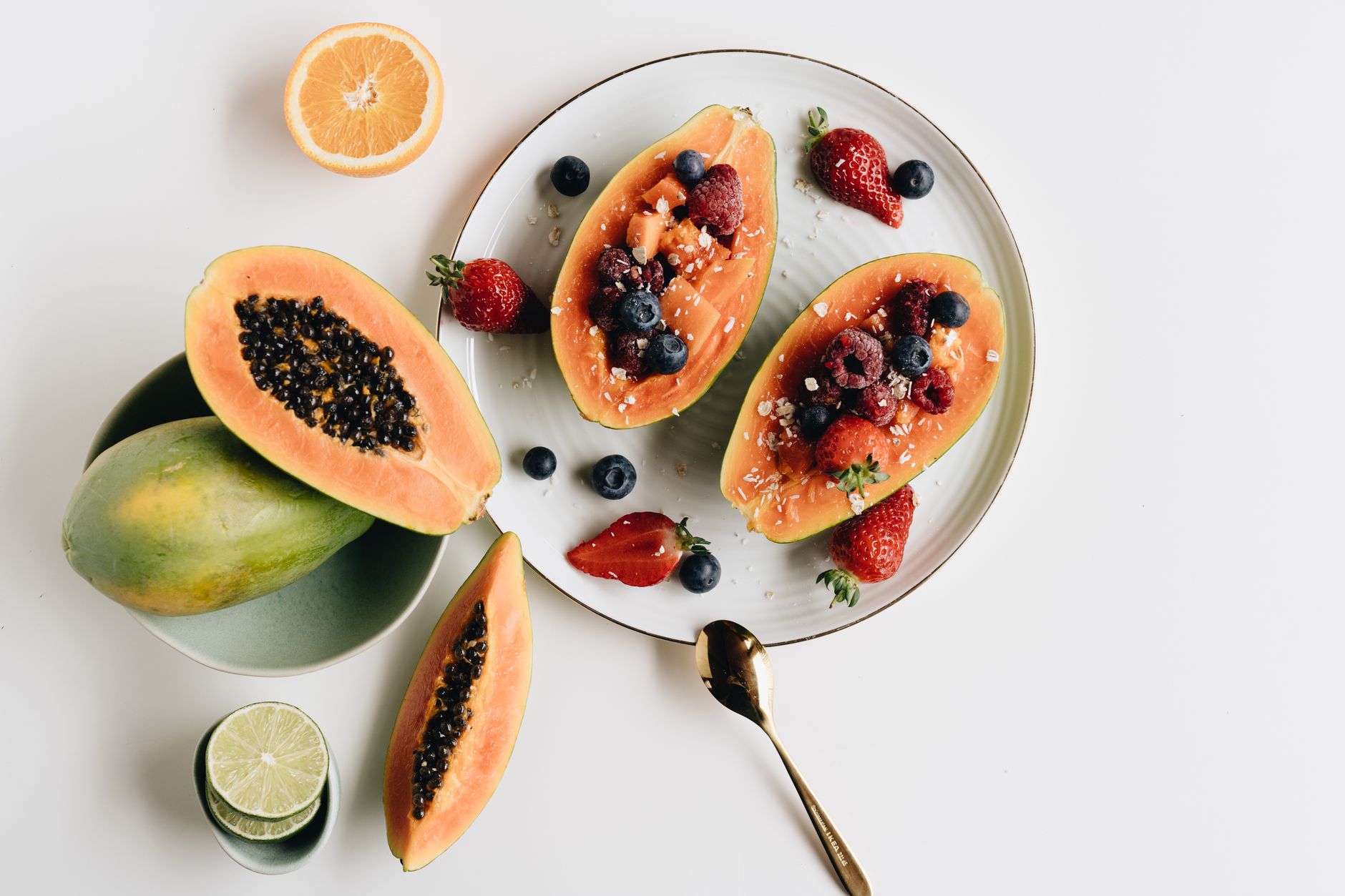
Fruits and vegetables are nutritional powerhouses, packed with essential vitamins, minerals, and antioxidants. These compounds help combat oxidative stress, a key factor in liver damage. Aim for a wide variety to ensure you're getting a broad spectrum of nutrients. Think beyond your usuals! Explore the local markets for seasonal delights.
- Aim for Quantity: Strive to include between 1 to 3 cups of vegetables daily.
- Variety is Key: Incorporate a rich assortment of colours and types. Leafy greens like spinach (palak), fenugreek (methi), and mustard greens (sarson ka saag) are particularly beneficial, with some research suggesting they can help reduce fat accumulation in the liver.
- Smart Choices: When opting for canned vegetables, choose those with no added salt or sugar. Fresh is often best!
Examples for your plate:
- A colourful salad with tomatoes, cucumbers, carrots, and bell peppers.
- A side of stir-fried mixed vegetables with your main meal.
- A bowl of seasonal fruits like mangoes, guavas, or pomegranates for dessert or a snack.
- A comforting bowl of lentil soup (dal) enriched with spinach or other greens.
2. Choose Quality Proteins Wisely
Protein is the building block for repairing damaged cells, including those in your liver. However, the type and amount matter. For most adults without specific complications, a moderate intake is sufficient. Your daily protein needs vary based on age, sex, and activity level, but generally range from 2 to 6.5 ounces.
- Lean Sources: Opt for lean meats, poultry (like chicken or turkey without skin), fish, eggs, and plant-based proteins.
- Plant Power: Lentils (dal), beans (rajma, chana), chickpeas, tofu, and paneer are excellent protein sources readily available in India.
- Dairy Delights: Milk, yogurt (dahi), and cheese are good sources of protein and calcium. Aim for 2-3 servings daily if you're not lactose intolerant.
- Special Considerations: If you have cirrhosis, your doctor might recommend a higher protein intake to combat muscle loss and fluid retention. Always follow their guidance.
Creative Protein Boosts:
- Add lentils or beans to soups and salads.
- Include eggs or paneer in your breakfast or curries.
- Enjoy a glass of lassi or a bowl of yogurt with your meal.
- Consider protein shakes with added fruits and vegetables if you're short on time or need an extra boost (consult your doctor first).
3. Make Whole Grains Your Staple
Whole grains are rich in dietary fibre, which is essential for healthy digestion and can contribute to reducing the risk of heart disease – a common concern for those with Hepatitis C. Aim for about 3 to 8 ounces of grain-based foods daily, ensuring at least half are whole grains.
- Indian Staples: Choose whole wheat (atta) for your rotis and parathas, brown rice instead of white, and explore options like oats, quinoa, buckwheat (kuttu), and millets (bajra, jowar, ragi).
- Look for Labels: When buying packaged goods, check that
Additional Medical Guidance
This section adds practical context and preventive advice to help readers make informed healthcare decisions. It is important to verify symptoms early, consult qualified doctors, and avoid self-medication for persistent health issues.
Maintaining healthy routines, following prescribed treatment plans, and attending regular checkups can improve outcomes. If symptoms worsen or red-flag signs appear, immediate medical evaluation is recommended.
Quick Checklist
Track symptoms and duration.
Follow diagnosis and treatment from a licensed practitioner.
Review medication side effects with your doctor.
Seek urgent care for severe warning signs.