HIV, or Human Immunodeficiency Virus, is a virus that attacks the body's immune system, specifically the CD4 cells (T cells). If left untreated, HIV can lead to Acquired Immunodeficiency Syndrome (AIDS), a chronic and potentially life-threatening condition. However, with advancements in medicine and a strong focus on prevention, HIV is now a manageable condition, and many people with HIV live long, healthy lives. Understanding how HIV is transmitted and taking proactive steps to reduce your risk are the most effective ways to prevent infection. This guide provides comprehensive information on HIV prevention strategies tailored for the Indian context, covering everything from safer sex practices to medical interventions.
Understanding HIV Transmission
It's essential to know that HIV is not transmitted through casual contact. You cannot get HIV from hugging, kissing, sharing utensils, or casual social interactions. The virus is transmitted through specific bodily fluids: blood, semen, pre-seminal fluid, rectal fluids, vaginal fluids, and breast milk. Transmission typically occurs through:
- Unprotected sexual contact: This includes vaginal, anal, and oral sex without the use of condoms or other barrier methods. Anal sex carries the highest risk of transmission.
- Sharing needles or syringes: Injecting drug use, especially sharing contaminated needles, is a significant route of transmission. This also extends to using unsterilized equipment for tattoos or piercings.
- Mother-to-child transmission: An HIV-positive mother can transmit the virus to her child during pregnancy, childbirth, or breastfeeding.
- Accidental exposure to infected blood: Though rare, this can occur through needlestick injuries in healthcare settings or through transfusions of unscreened blood.
Remember, HIV cannot be transmitted through saliva, sweat, or tears. Understanding these transmission routes is the first step in effective prevention.
Key Prevention Strategies
Preventing HIV involves a combination of personal choices, medical interventions, and community efforts. Here are the most effective strategies:
1. Safer Sex Practices
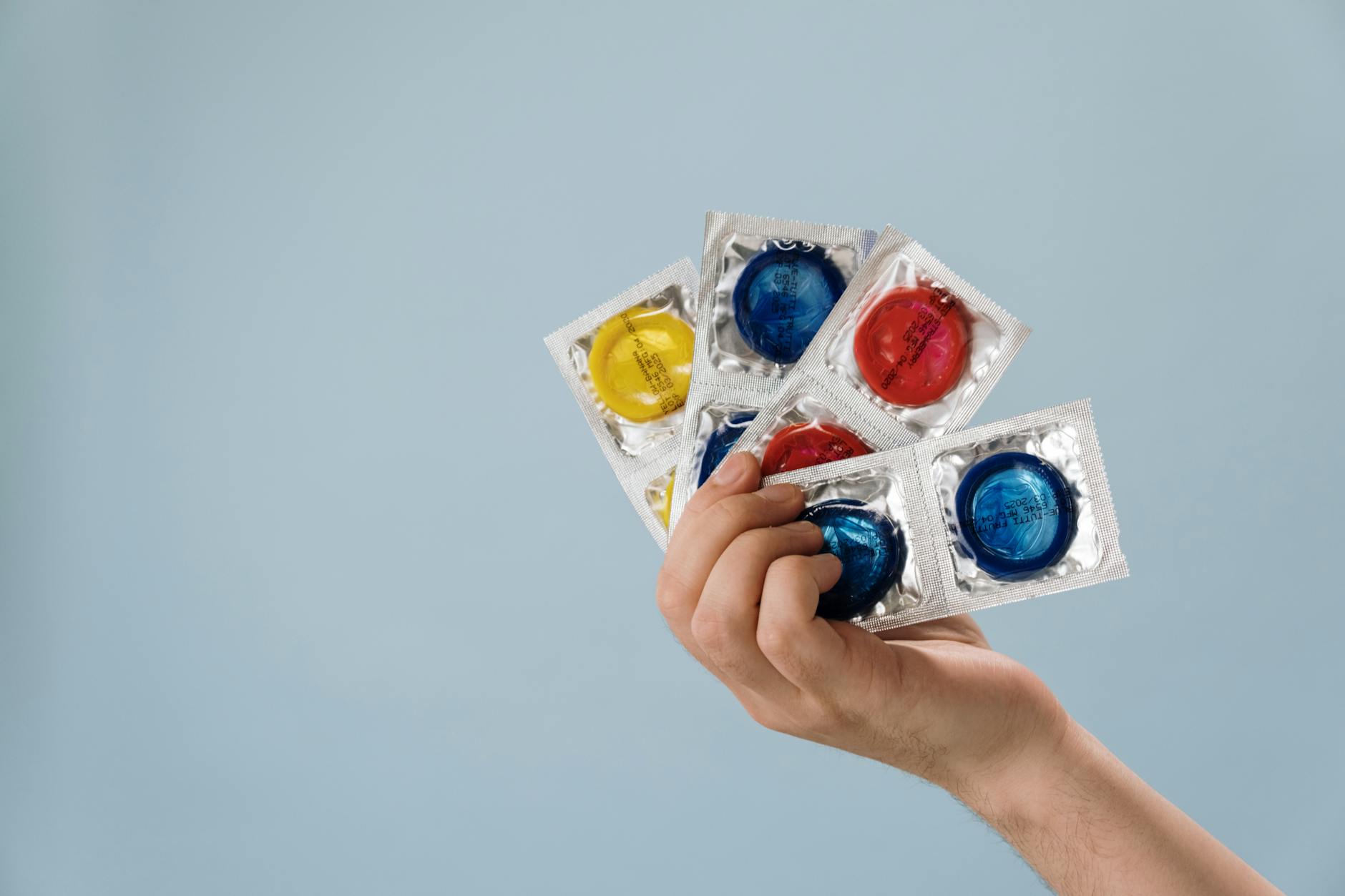
Consistent and correct use of condoms is one of the most reliable ways to prevent HIV transmission during sexual activity. Both male and female condoms are highly effective when used properly.
- Condoms: Always use a new condom for every sexual act. Ensure it is lubricated with a water-based or silicone-based lubricant, as oil-based lubricants can weaken latex condoms.
- Dental Dams: For oral sex, dental dams can be used as a barrier to reduce the risk of transmission.
- Limiting Partners and Open Communication: Having fewer sexual partners and discussing sexual health openly with your partner(s) can significantly reduce risk.
Scenario: Priya and Rohan are in a new relationship and want to be intimate. They've discussed their sexual histories and decided to use condoms consistently. This open conversation and commitment to safer sex is a responsible step towards protecting their health.
2. Harm Reduction for Injection Drug Use
For individuals who inject drugs, the risk of HIV transmission is high if needles and syringes are shared. Harm reduction programs aim to minimize this risk.
- Never Share Needles: Always use a new, sterile needle and syringe for each injection.
- Needle Exchange Programs: If available in your area, these programs provide access to sterile injection equipment.
- Proper Disposal: Dispose of used needles safely in designated sharps containers to prevent accidental exposure to others.
If you are struggling with substance use, please reach out for help. Support services and treatment options are available.
3. Medical Interventions for Prevention
Modern medicine offers powerful tools to prevent HIV infection, even after potential exposure or for those at high ongoing risk.
Post-Exposure Prophylaxis (PEP)
PEP is a course of HIV medicines taken after a possible exposure to HIV to prevent the virus from taking hold. It is most effective when started as soon as possible, ideally within hours, and no later than 72 hours (3 days) after exposure.
- When to Consider PEP: PEP may be recommended if you've had unprotected sex with someone whose HIV status is unknown or positive, or if a condom broke during sex. It's also recommended after sexual assault.
- The PEP Regimen: PEP involves taking a combination of antiretroviral drugs once daily for 28 days. These medications work by preventing the virus from establishing a permanent infection in your body.
- Where to Get PEP: If you suspect an exposure, consult a doctor or visit an emergency room immediately. Many government hospitals and some private clinics offer PEP services. Time is critical, so do not delay seeking medical attention.
Pre-Exposure Prophylaxis (PrEP)
PrEP is an HIV prevention strategy where people who are not infected with HIV take medication daily to reduce their risk of contracting HIV. PrEP is highly effective when taken consistently.
- Who Should Consider PrEP: PrEP is recommended for individuals at high risk of HIV infection, including those with an HIV-positive partner, individuals who have sex without condoms regularly, or those who share injection drug equipment.
- How PrEP Works: Daily PrEP medication dramatically lowers the chances of getting HIV. If you are exposed to HIV, the medication in your system can help block the virus from infecting your cells.
- Types of PrEP: Several medications are available for PrEP, including daily pills like Truvada and Descovy, and an injectable option called Apretude. Your doctor will help determine the best option for you.
- Accessing PrEP in India: While PrEP is widely available globally, access in India is growing. Discuss PrEP with your doctor, infectious disease specialist, or at an Integrated Counselling and Testing Centre (ICTC). Some NGOs also work to improve PrEP accessibility.
4. Preventing Mother-to-Child Transmission (PMTCT)
For pregnant women living with HIV, effective treatment can dramatically reduce the risk of transmitting the virus to their baby. This is a cornerstone of modern HIV care.
- Antiretroviral Therapy (ART): Pregnant women with HIV should start or continue ART as recommended by their healthcare provider.
- Delivery Considerations: Doctors may recommend a Cesarean section in some cases to further reduce transmission risk.
- Infant Care: Newborns born to HIV-positive mothers may receive a short course of HIV medication as a precautionary measure. Breastfeeding is generally discouraged if safe alternatives are available, though specific recommendations depend on the mother's viral load and local guidelines.
HIV Testing and Awareness
Regular HIV testing is a vital part of prevention and management. Knowing your status allows you to take appropriate steps to protect yourself and others.
- Where to Get Tested: HIV testing is available at government hospitals, Integrated Counselling and Testing Centres (ICTCs), private labs, and some NGOs. Testing is often confidential and sometimes free.
- When to Test: It's advisable to get tested if you've had unprotected sex, shared needles, or if you're considering starting a family. Regular testing is recommended for individuals with higher risk factors.
- Understanding Results: A negative result means HIV was not detected at the time of the test. A positive result means HIV was detected, and you should consult a doctor for treatment and care.
Living with HIV and Preventing Transmission
If you are living with HIV, effective treatment with Antiretroviral Therapy (ART) is key. ART suppresses the virus to undetectable levels, which not only keeps you healthy but also means you cannot transmit HIV to your sexual partners. This is known as Undetectable = Untransmittable (U=U).
When to Seek Medical Advice
Consult a healthcare professional immediately if:
- You suspect you may have been exposed to HIV.
- You are considering PrEP or PEP.
- You are pregnant or planning a pregnancy and have concerns about HIV.
- You need to get tested for HIV.
- You have questions about managing HIV or preventing transmission.
Don't hesitate to reach out to your doctor, an infectious disease specialist, or a local health clinic. Early intervention and consistent prevention efforts are your best defense.
Frequently Asked Questions (FAQ)
Q1: Can HIV be cured?
Currently, there is no cure for HIV. However, with consistent ART, HIV can be managed effectively, allowing individuals to live long, healthy lives and prevent transmission to others.
Q2: Is PrEP available for free in India?
While not universally free, government initiatives and some NGOs are working to increase access to PrEP. Discussing options with your doctor or visiting an ICTC can provide information on availability and cost.
Q3: How long does PEP treatment last?
PEP is a 28-day course of antiretroviral medication that must be taken daily as prescribed.
Q4: Can I get HIV from a mosquito bite?
No. HIV is not transmitted by insects like mosquitoes. The virus does not survive in mosquitoes and cannot be passed from one person to another through bites.
Q5: What is the difference between HIV and AIDS?
HIV is the virus that attacks the immune system. AIDS is the most advanced stage of HIV infection, occurring when the immune system is severely damaged. With effective treatment, people with HIV can prevent progression to AIDS.
What This Means In Daily Life
Most people do not notice early warning signs right away. That is common. A simple symptom diary, basic routine checks, and timely follow-up visits can prevent small problems from becoming serious.
If you are already on treatment, stay consistent with medicines and lifestyle advice. If your symptoms change, do not guess. Check with a qualified doctor and update your plan early.
Simple Action Plan
Write down symptoms, triggers, and timing for a few days.
Carry old prescriptions and test reports to your consultation.
Ask clearly about side effects, red-flag signs, and follow-up dates.
Seek urgent care for severe pain, breathing trouble, bleeding, fainting, or sudden worsening.