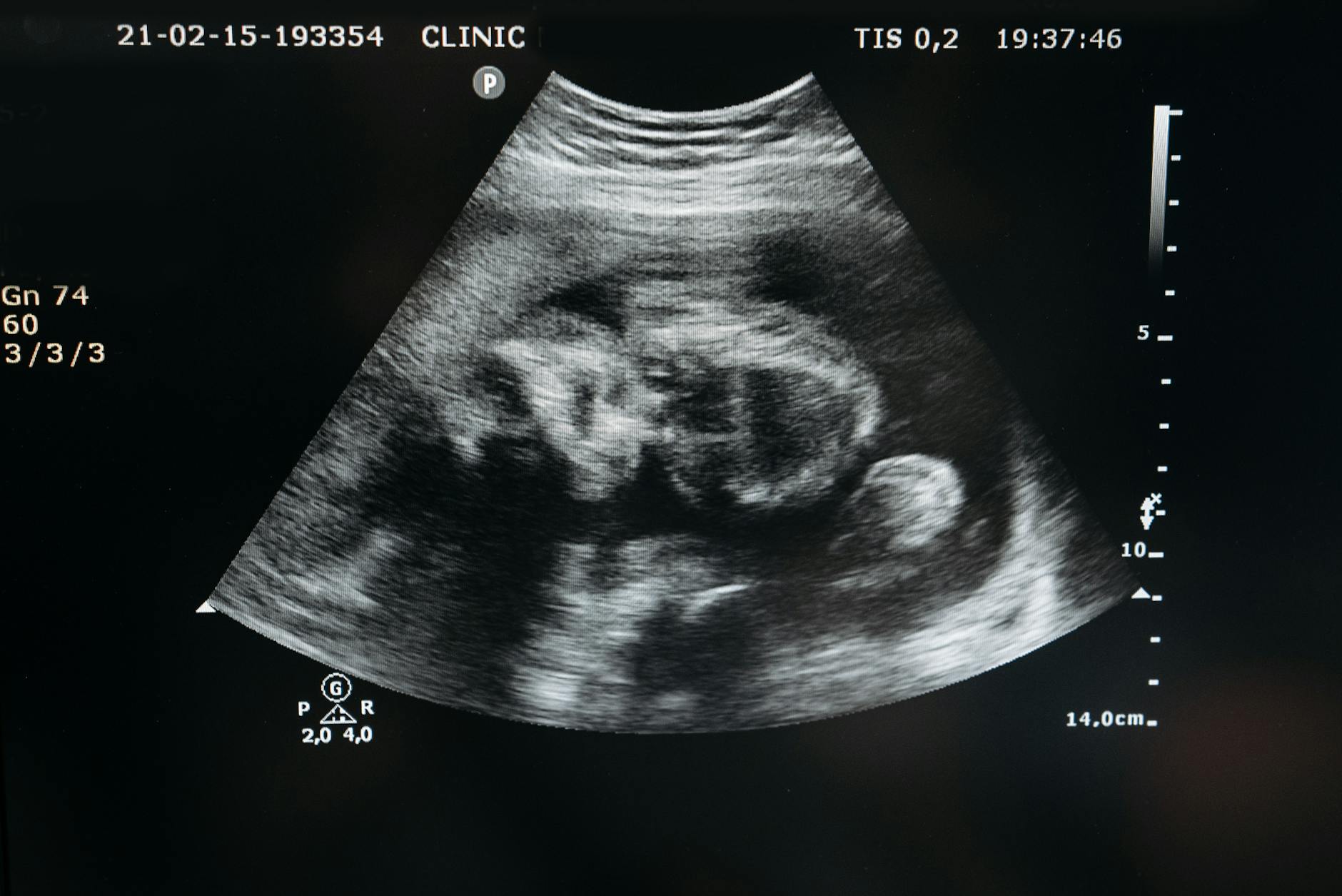
Understanding Skyrizi and its Impact on Reproductive Health
Skyrizi, a medication prescribed for conditions like Crohn's disease, plaque psoriasis, ulcerative colitis, and psoriatic arthritis, presents important considerations for individuals planning a pregnancy or who are currently pregnant or breastfeeding. While Skyrizi offers significant benefits for managing these chronic inflammatory conditions, its safety profile during pregnancy and breastfeeding is not yet fully established. This article aims to provide a clear and practical overview for Indian readers, discussing the current understanding of Skyrizi's effects on reproductive health, potential risks associated with inflammatory bowel disease (IBD) during pregnancy, and the importance of informed decision-making with healthcare providers.
Skyrizi: An Overview of Its Uses
Skyrizi (risankizumab-rzaa) is a biologic medication that works by targeting a specific protein called interleukin-23 (IL-23). By blocking IL-23, Skyrizi helps to reduce inflammation in the body, making it an effective treatment for several autoimmune conditions. These include:
- Crohn's disease: A chronic inflammatory condition affecting the digestive tract.
- Ulcerative colitis: Another type of inflammatory bowel disease (IBD) that causes inflammation and ulcers in the colon and rectum.
- Plaque psoriasis: A skin condition characterized by red, itchy, scaly patches.
- Psoriatic arthritis: A form of arthritis that affects some people who have psoriasis.
For individuals managing these conditions, Skyrizi can significantly improve their quality of life by reducing symptoms and preventing disease progression.
Pregnancy and Skyrizi: What the Research Says
The safety of Skyrizi during pregnancy is a key concern for many patients. Currently, it is not definitively known whether Skyrizi is a safe treatment option for pregnant individuals. The drug's manufacturer has established a pregnancy registry to gather crucial information about the safety of Skyrizi when used during pregnancy. This registry collects data from pregnant individuals taking Skyrizi, which helps researchers understand potential effects on the developing fetus and the pregnancy outcome.
Key points regarding Skyrizi and pregnancy:
- Uncertainty in Safety: It is not known if Skyrizi is safe to use during pregnancy.
- Pregnancy Registry: If you are pregnant and receiving Skyrizi, consider enrolling in the Skyrizi pregnancy registry. This voluntary program helps collect vital safety data. You can learn more by calling 877-302-2161 or visiting the registry website.
- Doctor Consultation is Crucial: Discussing the potential risks and benefits with your doctor is paramount.
Inflammatory Bowel Disease (IBD) and Pregnancy Risks
For individuals with IBD, such as Crohn's disease or ulcerative colitis, managing their condition during pregnancy is particularly important. Studies indicate that IBD can increase certain risks during pregnancy. These risks may include:
- Premature birth: The baby is born too early.
- Low birth weight: The baby is born weighing less than expected.
Furthermore, IBD that is difficult to manage or control can further elevate these risks. Therefore, the decision to continue or adjust Skyrizi treatment during pregnancy involves a careful balance between managing the mother's IBD and mitigating potential risks to the pregnancy.
Breastfeeding and Skyrizi: What We Know
Similar to pregnancy, the safety of Skyrizi during breastfeeding is also not well-established. It is not known whether Skyrizi passes into breast milk or if it could cause any side effects in a breastfed infant. This lack of definitive information means that breastfeeding mothers taking Skyrizi should exercise caution and consult with their healthcare providers.
Considerations for breastfeeding mothers:
- Unknown Effects: The effects of Skyrizi on breastfed infants are unknown.
- Consult Your Doctor: Discuss the potential risks and benefits of continuing Skyrizi while breastfeeding with your doctor.
Making Informed Decisions with Your Doctor
The decision to use Skyrizi during pregnancy or breastfeeding is a complex one that requires a thorough discussion with your healthcare provider. Your doctor will consider several factors, including:
- The severity of your IBD or other condition.
- The potential risks of not treating your condition during pregnancy or breastfeeding.
- The potential risks associated with Skyrizi exposure to the fetus or infant.
- Alternative treatment options that may be safer during pregnancy or breastfeeding.
You and your doctor can weigh the benefits of managing your condition with Skyrizi against the potential risks to your reproductive health. This collaborative approach ensures that you receive the best possible care while prioritizing the safety of both mother and child.
When to Consult a Doctor
It is essential to consult your doctor if you:
- Are planning to become pregnant while taking Skyrizi.
- Are currently pregnant and taking Skyrizi.
- Are breastfeeding or planning to breastfeed while taking Skyrizi.
- Have any concerns or questions about Skyrizi and its effects on reproductive health.
Your doctor is the best resource for personalized advice and guidance based on your individual health status and medical history. Early and open communication with your healthcare team is key to navigating these important decisions safely and effectively.
Conclusion
Skyrizi is a valuable medication for managing several chronic inflammatory conditions. However, its use during pregnancy and breastfeeding requires careful consideration due to the current lack of definitive safety data. By understanding the potential risks associated with IBD during pregnancy and engaging in open dialogue with your doctor, you can make informed decisions that best support your health and the well-being of your baby. Remember to utilize resources like the Skyrizi pregnancy registry and always seek professional medical advice for personalized guidance.