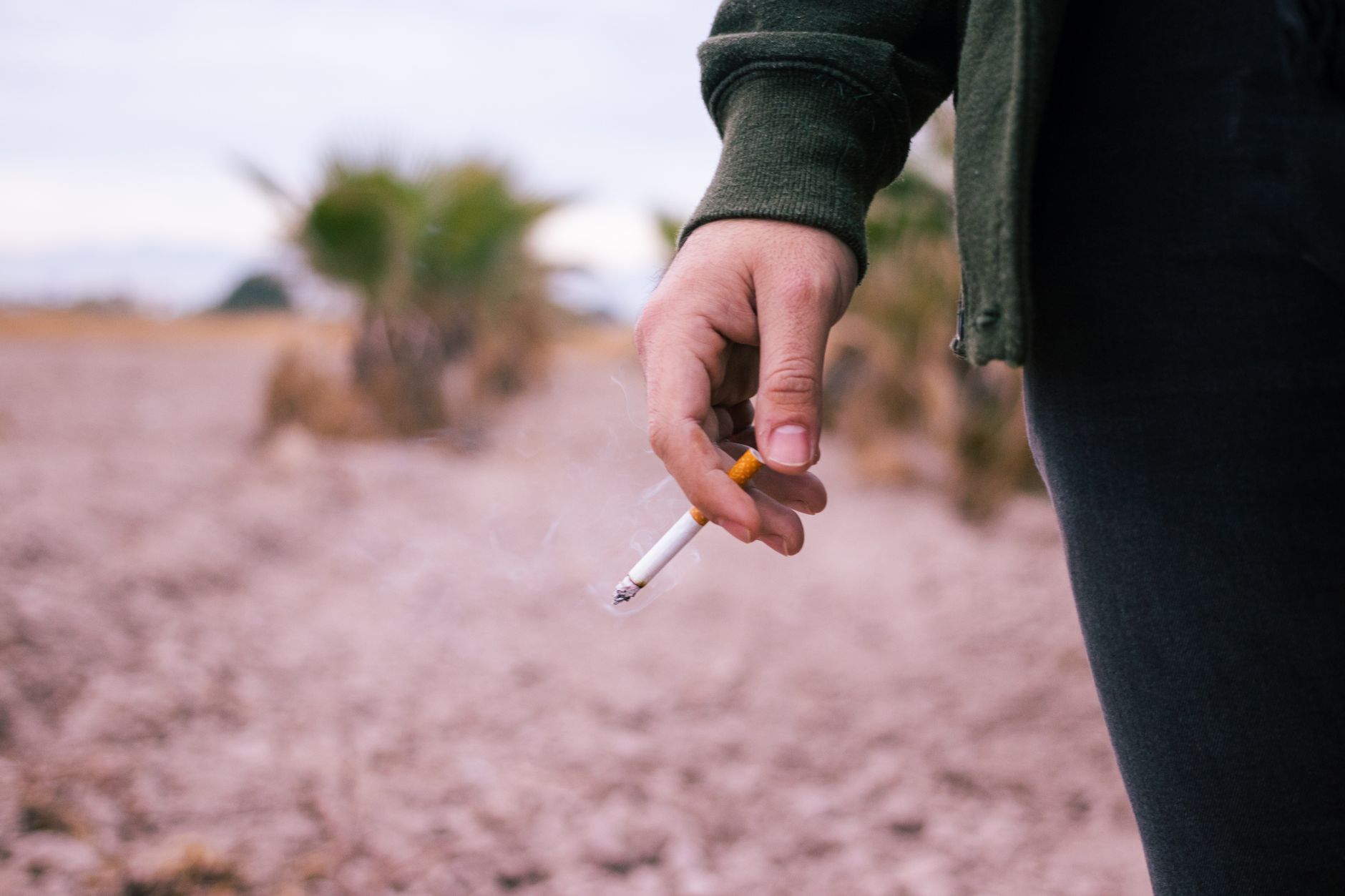
When we think about the dangers of smoking, our minds often go straight to the lungs. But the harmful effects of tobacco smoke extend far beyond our respiratory system, silently impacting other vital organs, including the liver. The liver, a powerhouse of our body, performs over 500 essential functions, from detoxifying blood and metabolizing nutrients to producing bile and storing energy. It's a resilient organ, capable of regenerating itself. However, constant exposure to the thousands of toxic chemicals found in cigarettes can overwhelm its capacity to heal and function optimally. This blog post delves into the lesser-known ways smoking affects liver health, the risks it poses, and what steps you can take to protect this crucial organ.
The Toxic Cocktail in Cigarettes
A single cigarette is a complex mix of over 4,000 chemicals. Many of these are known carcinogens, meaning they can cause cancer. Among the most damaging to the liver are nitrosamines, vinyl chloride, tar, and 4-aminobiphenyl. These toxins don't just stay in the lungs; they enter the bloodstream and are processed by the liver, placing a significant burden on it.
How Smoking Impacts Liver Function
When you smoke, your liver has to work overtime to filter out the toxins from the cigarette smoke. This increased workload can lead to:
- Liver Toxicity: The constant influx of harmful chemicals can directly damage liver cells.
- Oxidative Stress: Toxins in smoke generate free radicals, unstable molecules that can damage cells, including liver cells. This imbalance is known as oxidative stress.
- Reduced Blood Flow: Over time, the toxins can lead to inflammation and thickening of liver tissues, potentially blocking blood flow to the liver.
Specific Liver Conditions Linked to Smoking
The cumulative damage from smoking can manifest in several serious liver conditions:
1. Liver Cancer
Smoking is a significant risk factor for liver cancer. Chemicals like nitrosamines and vinyl chloride are directly linked to the development of liver cancer. The risk increases with the number of cigarettes smoked daily and the duration of smoking. If you have pre-existing liver conditions like Hepatitis C, smoking further amplifies the risk of developing liver cancer.
2. Cirrhosis
Cirrhosis is a severe condition characterized by permanent scarring of the liver tissue. This scarring prevents the liver from functioning correctly. The toxins in cigarette smoke can cause this scarring over time, making the liver stiff and less able to perform its vital functions. Smoking is particularly dangerous for individuals who already have liver damage from other causes, such as alcohol abuse or viral hepatitis, as it significantly accelerates the progression of cirrhosis.
3. Non-Alcoholic Fatty Liver Disease (NAFLD)
NAFLD is a condition where excess fat builds up in the liver. While often associated with obesity and metabolic syndrome, smoking can also contribute to its development. Nicotine can lead to deposits of lipids (fats) in the liver, triggering the buildup that characterizes NAFLD. This condition can progress to more severe forms of liver disease if not managed.
Does Smoking Cannabis Affect the Liver?
Research on the effects of cannabis on liver health is still evolving. Some studies suggest that smoking cannabis might increase the risk of certain liver diseases, such as fatty liver and increased scarring. It has also been linked to immunosuppression, which can indirectly affect liver health. However, other research, particularly in animal models, has shown potential benefits of cannabis in treating certain liver conditions like hepatic encephalopathy. More human studies are needed to fully understand the complex relationship between cannabis use and liver health.
Chewing Tobacco: Not a Safer Alternative
Many believe that chewing tobacco is less harmful than smoking. However, this is a dangerous misconception. Chewing tobacco contains many of the same toxic chemicals found in cigarettes. These toxins are absorbed into the bloodstream and place a similar burden on the liver, increasing the risk of NAFLD and cirrhosis.
Can You Detox Your Liver After Smoking?
The idea of a
Additional Medical Guidance
This section adds practical context and preventive advice to help readers make informed healthcare decisions. It is important to verify symptoms early, consult qualified doctors, and avoid self-medication for persistent health issues.
Maintaining healthy routines, following prescribed treatment plans, and attending regular checkups can improve outcomes. If symptoms worsen or red-flag signs appear, immediate medical evaluation is recommended.
Quick Checklist
Track symptoms and duration.
Follow diagnosis and treatment from a licensed practitioner.
Review medication side effects with your doctor.
Seek urgent care for severe warning signs.