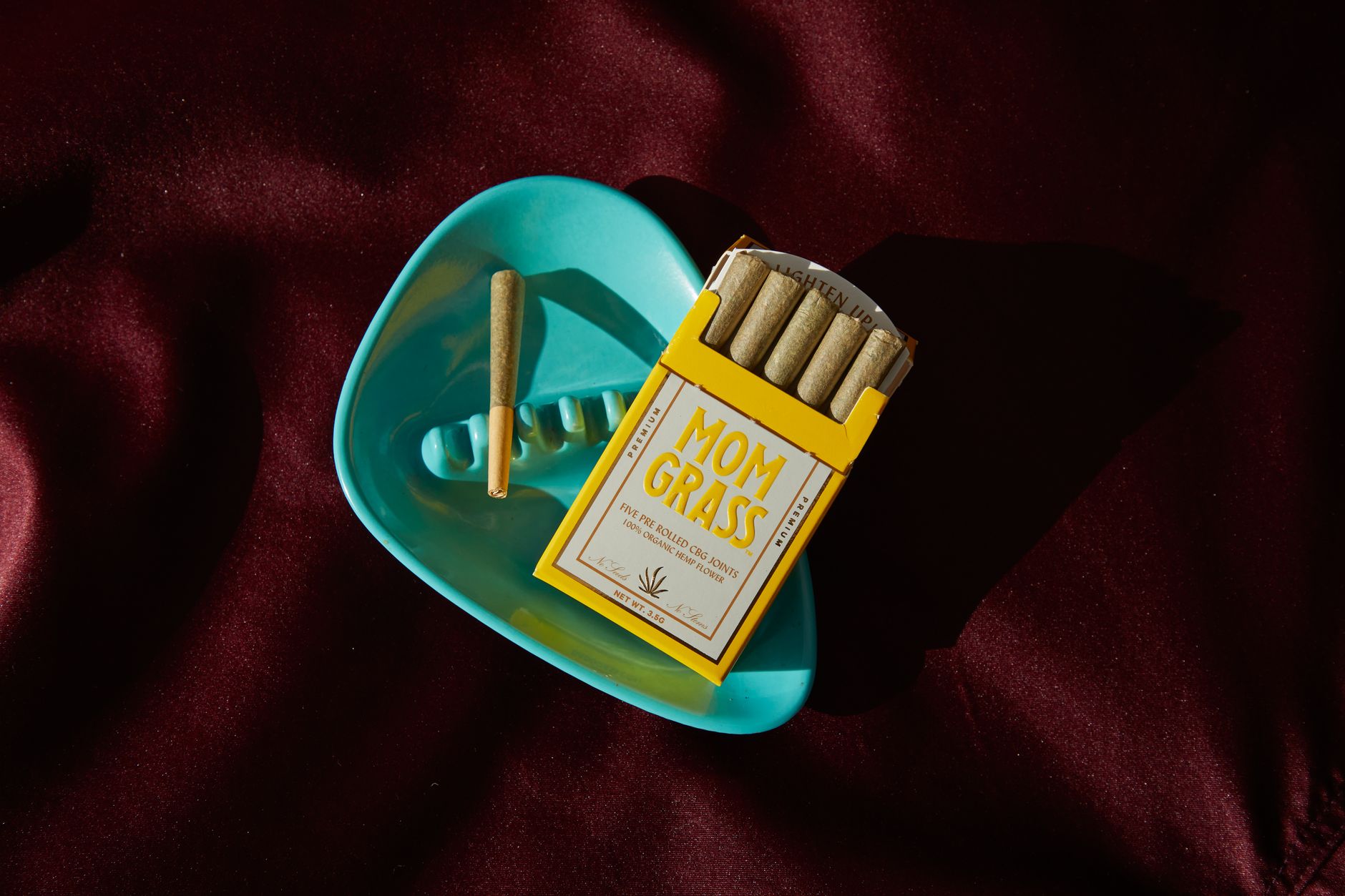
Navigating the world of cannabis can sometimes feel like learning a new language. You might hear terms like 'blunt,' 'joint,' and 'spliff' used interchangeably, but they actually refer to distinct ways of consuming cannabis. Understanding these differences is key to making informed choices about your health and experience. This guide will break down what each term means, the potential risks associated with smoking, and explore safer alternatives.
What is a Blunt?
A blunt typically starts with a cigar. The tobacco is removed from the cigar, and the wrapper leaf is then used to roll cannabis. Essentially, a blunt is a cannabis-filled cigar. They often contain a significantly larger amount of cannabis compared to a joint. The name 'blunt' is believed to originate from the Phillies Blunt cigar brand, with blunts gaining popularity as a discreet way to smoke cannabis, particularly in urban areas like New York.
Consider this scenario: Your friend offers you a smoke at a party. They pull out a large, brown-paper-like roll and say, 'Here, try this blunt.' You notice it looks much larger than a typical cigarette and has a distinct, slightly sweet aroma.
Key characteristics of blunts:
- Made using a cigar wrapper (often a tobacco leaf).
- Filled with cannabis, replacing the original tobacco.
- Generally hold more cannabis than joints or spliffs.
What is a Spliff?
A spliff is a bit of a hybrid. It's a mixture of both cannabis and tobacco, rolled in standard cigarette rolling papers. The term 'spliff' has West Indian origins and is thought to be a play on words, possibly combining 'split' (referring to splitting the difference between cannabis and tobacco) and 'whiff' (referring to the smell). Some believe adding tobacco helps mask the smell of cannabis.
Key characteristics of spliffs:
- Contains a mix of cannabis and tobacco.
- Rolled in cigarette rolling papers.
- Often includes a filter or 'crutch' to hold the paper.
What is a Joint?
A joint is the most straightforward of the three. It consists purely of ground cannabis rolled in cigarette rolling papers. Unlike spliffs and blunts, joints do not contain any tobacco. Many joints are made with a 'crutch,' which is a small piece of stiff paper rolled at one end to act as a mouthpiece and prevent the paper from collapsing.
Key characteristics of joints:
- Contains only cannabis.
- Rolled in cigarette rolling papers.
- Does not contain tobacco.
Comparing the Risks: Is Any Smoking Method Safe?
While the terms blunt, joint, and spliff describe different preparations, it's essential to understand that no form of smoking is entirely safe. Both cannabis and tobacco smoke can harm your lungs. When you inhale smoke, regardless of its source, you expose your respiratory system to irritants and potentially harmful chemicals.
Risks Associated with Smoking Cannabis:
- Lung Irritation: Smoking cannabis can irritate your lungs, leading to symptoms similar to those experienced by tobacco smokers, such as chronic cough and increased susceptibility to lung infections.
- Air Pockets in the Lungs: Studies suggest that smoking cannabis, especially heavily, may be linked to the development of air pockets in the lungs (pneumothorax) or between the lungs and chest wall, particularly in younger to middle-aged adults.
- Secondhand Smoke: Secondhand cannabis smoke contains many of the same toxins and carcinogens as smoke inhaled directly. In some cases, it may even contain higher concentrations of these harmful substances.
Risks Associated with Tobacco:
Adding tobacco, as in blunts and spliffs, introduces the well-documented risks of tobacco use, including:
- Increased risk of heart disease, stroke, and various cancers.
- Damage to the respiratory system, leading to conditions like COPD and emphysema.
- Nicotine addiction.
The Combined Risk of Blunts and Spliffs:
Smoking blunts and spliffs means you are exposing yourself to the risks of both cannabis and tobacco smoke. This combination can potentially increase the risk of dependence. The substances may balance out the negative sensations associated with each, making the ill effects less noticeable while enhancing the pleasurable ones, potentially leading to more frequent use.
Are Joints Safer?
While joints avoid the added risks of tobacco, they are not without harm. The act of smoking itself is detrimental to lung health. The smoke irritates the airways and can lead to respiratory issues. So, while a joint might be considered 'less harmful' than a blunt or spliff by some due to the absence of tobacco, it's a minimal difference in the grand scheme of smoking risks.
Safer Alternatives to Smoking Cannabis
Given the inherent risks of smoking, many individuals are exploring alternative ways to consume cannabis that bypass the lungs altogether. These methods can offer a different experience and potentially reduce respiratory harm.
Edibles:
Ingesting cannabis through edibles has a long history. From cannabis-infused baked goods to candies and beverages, edibles provide a smoke-free option. It's crucial to remember that the effects of edibles can take longer to manifest and may be more intense and longer-lasting than inhaled cannabis. Start with a very low dose and wait at least two hours before considering consuming more, especially if you are new to them.
Tinctures and Oils:
Cannabis tinctures and oils, such as CBD oil (which typically contains little to no THC, the psychoactive compound), can be taken sublingually (under the tongue) or added to food and drinks. This method allows for more controlled dosing and avoids the combustion process.
Topicals:
Cannabis-infused topicals are applied to the skin for localized relief. They are not psychoactive, meaning they don't produce a 'high,' and are used for conditions like muscle soreness or skin irritation.
When to Consult a Doctor
If you are concerned about your cannabis use, its effects on your health, or are experiencing respiratory symptoms, it's important to speak with a healthcare professional. A doctor can provide personalized advice, discuss potential risks, and explore healthier alternatives based on your individual health needs.
Seek medical advice if you experience:
- Persistent cough or wheezing
- Shortness of breath
- Chest pain
- Increased anxiety or paranoia related to cannabis use
- Concerns about dependence or addiction
Making informed decisions about cannabis consumption involves understanding the different methods and their associated health implications. Prioritizing your respiratory health and exploring smoke-free alternatives can lead to a safer experience.