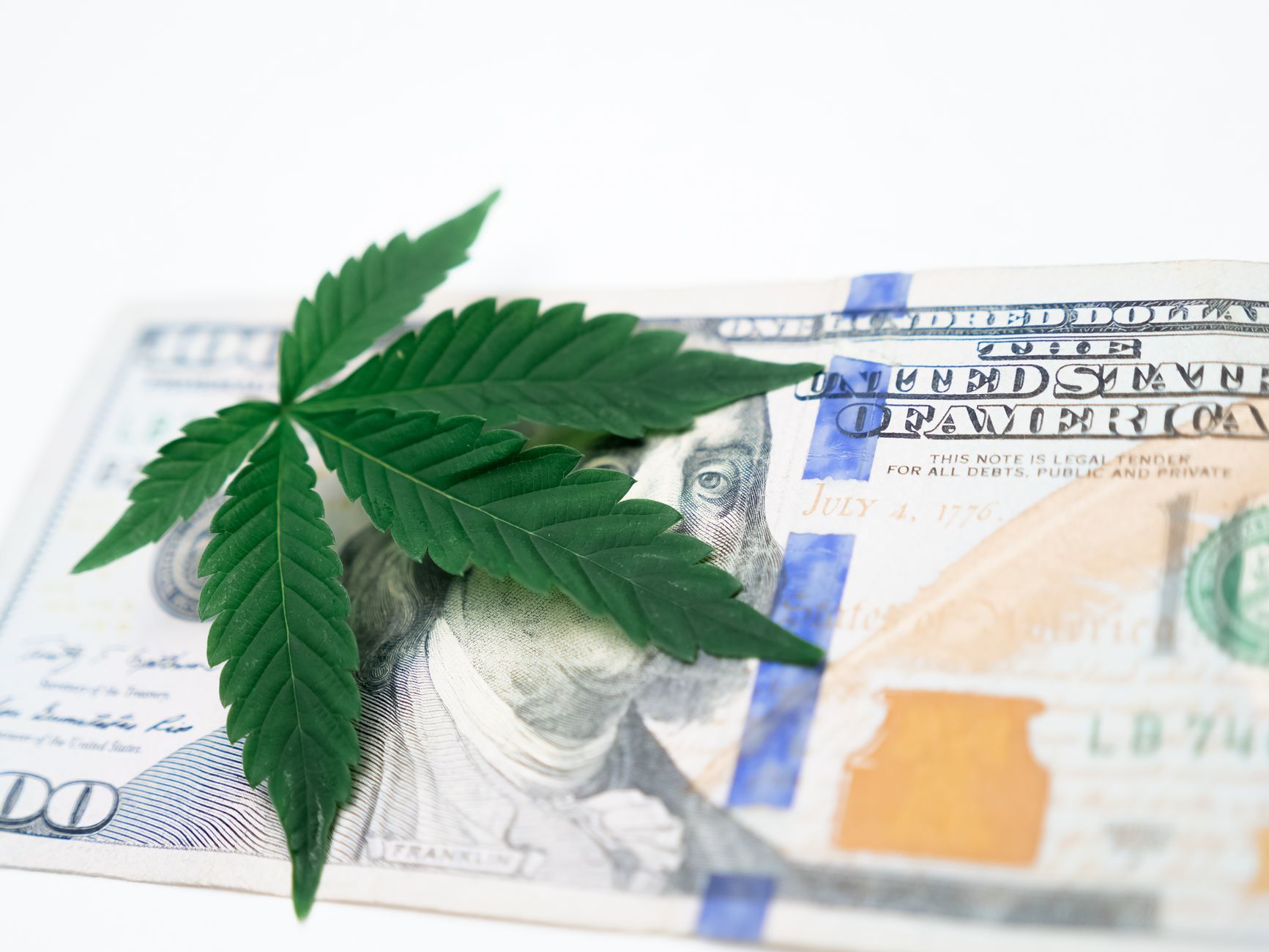
Cannabis, often referred to as marijuana, is a subject surrounded by a thick fog of misconceptions. For decades, its use has been linked to the idea of a "gateway drug," suggesting that it inevitably leads to the use of harder substances. But is this really true? And what other common beliefs about cannabis are simply not accurate? In India, where discussions around cannabis are evolving, understanding these myths is vital for informed public health conversations. This article aims to clear the air, debunking five common myths about cannabis, from its supposed role as a gateway to its potency and safety.
The 'Gateway Drug' Myth: Does Cannabis Lead to Harder Substances?
One of the most persistent myths is that cannabis acts as a "gateway drug." The theory suggests that using marijuana makes people more likely to try other, more dangerous drugs like cocaine or heroin. This idea gained traction in the 1980s, largely based on observations that individuals who used illicit substances often started with cannabis. However, the evidence supporting this direct causal link is weak.
Consider this: many people who have gone on to use other substances did indeed start with cannabis. But does that mean cannabis caused their subsequent drug use? Not necessarily. Several factors might explain this pattern:
- Accessibility and Affordability: Like alcohol and nicotine, cannabis is often more accessible and cheaper than many other illicit drugs. If someone is predisposed to exploring substance use, cannabis might be the first accessible option they encounter.
- Social and Environmental Factors: A person's social circle, environment, and underlying personal vulnerabilities play a significant role in their substance use journey. These factors, rather than cannabis itself, might be the true drivers leading to the exploration of other drugs.
- Neural Pathways: Some propose that cannabis alters brain pathways, creating a craving for other drugs. While cannabis does affect the brain, the evidence for it creating a specific pathway to harder drugs is not conclusive.
A study from 2012 highlighted that in Japan, where cannabis is less accessible, a large percentage of recreational drug users did not use cannabis first. This suggests that availability, rather than cannabis itself, might be a key factor. Furthermore, it's essential to acknowledge that substance use disorders are complex, influenced by a combination of personal, social, genetic, and environmental factors. Blaming cannabis alone oversimplifies a multifaceted issue.
Myth 2: Cannabis Isn't Addictive
Another common belief is that cannabis is not addictive. While it might not produce the same immediate, severe physical dependence as some other substances, cannabis addiction, or Marijuana Use Disorder, is a recognized condition. A 2015 report indicated that about 30 percent of cannabis users may experience some degree of marijuana use disorder.
Addiction to cannabis shows up in the brain in ways similar to other substance addictions, according to a 2018 review of studies. People who use cannabis frequently might experience withdrawal symptoms when they stop. These can include:
- Mood swings
- Irritability
- Sleep disturbances
- Reduced appetite
- Anxiety
- Craving
- Cognitive impairment (difficulty concentrating)
- A general lack of energy
It's important to remember that socially accepted substances like nicotine and alcohol are also addictive. Just because a substance is legal or widely used doesn't mean it carries no risk of addiction. Recognizing the potential for cannabis use disorder is the first step toward responsible use and seeking help if needed.
Myth 3: Cannabis is Weaker Today Than It Used to Be
Contrary to popular belief, cannabis today is often stronger than it was in previous decades. A 2016 study analyzed cannabis samples seized by the Drug Enforcement Administration (DEA) and found a significant increase in THC content over time. Between 1994 and 2014, THC levels rose dramatically. For context, THC levels were around 4 percent in 1995, but by 2014, they had climbed to about 12 percent. The concentration of CBD, another key cannabinoid, also increased.
While it's true that in regions where cannabis is legalized, a wider variety of low-potency products are available, the overall trend has been towards higher THC concentrations in many cannabis strains. This increased potency can lead to more intense psychoactive effects and potentially a higher risk of adverse reactions, especially for inexperienced users.
Myth 4: 'Natural' Means Safe
The idea that because cannabis is a plant, it must be safe, is a dangerous oversimplification. Many natural substances are incredibly harmful, even deadly. Think of poison ivy, certain mushrooms, or venomous snake bites – all natural, yet all dangerous. Similarly, cannabis can pose risks.
Furthermore, many cannabis products are not purely natural. Growers may use pesticides and other chemicals to enhance growth or protect against pests. In areas with less stringent regulations, these toxins can end up in the final product, posing health risks. Even in regulated markets, inconsistencies in oversight can mean that unsafe contaminants might still be present. Always be aware of the source and testing of any cannabis product you consider using.
Real-life scenario: A young adult in Delhi, curious about cannabis, buys some from a street vendor. Unaware of the potential for pesticides or unknown additives, they consume it and experience severe nausea and dizziness, far beyond what they expected. This experience highlights the risks associated with unregulated products.
Myth 5: You Can't Overdose on Cannabis
The term "overdose" often brings to mind fatal outcomes. While there are no recorded deaths directly attributed to a cannabis overdose, it is possible to consume too much, leading to an unpleasant and sometimes distressing experience. This is often referred to as a "greentime" or "too high" experience.
Symptoms of consuming too much cannabis can include:
- Intense anxiety or paranoia
- Rapid heart rate
- Nausea and vomiting
- Dizziness or lightheadedness
- Impaired coordination
- Hallucinations (in rare, extreme cases)
- Psychotic episodes (in individuals with a predisposition)
These experiences, while not fatal, can be frightening and may require medical attention, especially if they involve severe anxiety or vomiting. The risk is higher with high-potency products or edibles, where the onset of effects can be delayed, leading users to consume more than intended.
When to Consult a Doctor
While cannabis is a topic of ongoing research and evolving public perception, it's essential to approach its use with awareness and caution. You should consult a healthcare professional if:
- You are experiencing concerning symptoms after using cannabis, such as severe anxiety, persistent nausea, or chest pain.
- You suspect you might have developed a marijuana use disorder.
- You have underlying health conditions (especially heart conditions or mental health issues) and are considering using cannabis.
- You are taking other medications, as cannabis can interact with them.
- You have questions about the potential risks and benefits of cannabis for your specific situation.
A doctor can provide personalized advice based on your health history and current circumstances, helping you make informed decisions about your well-being.
Frequently Asked Questions (FAQ)
Q1: Is it true that cannabis use can lead to mental health problems?
Research suggests a complex relationship. For individuals predisposed to certain mental health conditions, heavy or early cannabis use might increase the risk of developing issues like psychosis or schizophrenia. It can also worsen symptoms of anxiety and depression in some people. However, for others, it may not have such effects, and some even report therapeutic benefits. It's highly individual and depends on genetics, usage patterns, and pre-existing conditions.
Q2: Can cannabis interact with other medications?
Yes, cannabis can interact with various medications. For example, it can affect how your body processes certain drugs, potentially increasing or decreasing their effects. It can also amplify the sedative effects of other substances. Always inform your doctor about any cannabis use, especially if you are taking prescription medications.
Q3: Are edibles safer than smoking cannabis?
Edibles are not necessarily safer. While they avoid the respiratory risks associated with smoking, the delayed onset and longer duration of effects can make it easier to consume too much, leading to intense and prolonged negative experiences. The potency of edibles can also vary significantly, making dosing difficult.