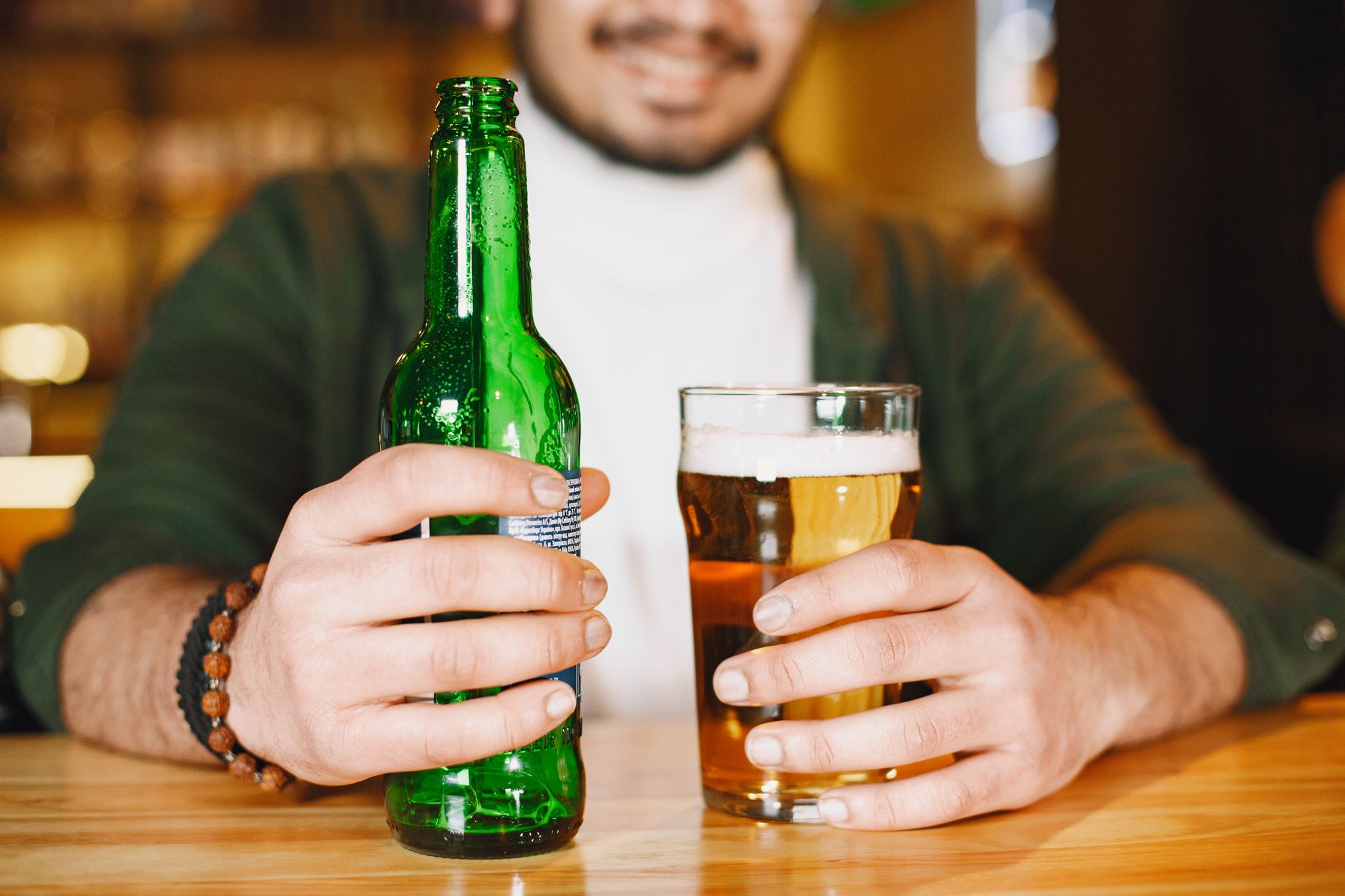
In India, where social gatherings often revolve around shared meals and drinks, the concept of enjoying a beverage that mimics the taste and experience of beer without the alcohol is gaining traction. But what exactly is 'zero alcohol' beer, and is it a safe choice for those who are sober or looking to reduce their alcohol intake? This guide aims to clarify the facts, address common concerns, and help you make informed decisions.
Understanding 'Zero Alcohol' and 'Non-Alcoholic' Beer in India
The terms 'zero alcohol' and 'non-alcoholic' can be confusing. In many countries, including the United States, regulations allow beverages with up to 0.5 percent alcohol by volume (ABV) to be labeled as 'non-alcoholic'. This means that while these drinks contain very little alcohol, they are not entirely free of it. For individuals in recovery from alcohol addiction or those strictly avoiding alcohol for health or personal reasons, even a trace amount can be a concern.
In India, the regulations for labeling alcoholic content in beverages can vary. Generally, for a beer to be considered truly alcohol-free, it should have 0.0 percent ABV. However, it's always wise to check the product label carefully. Some brands might market their products as 'non-alcoholic' but still contain minimal alcohol. The key is to look for explicit '0.0% ABV' on the packaging.
Why the Interest in Alcohol-Free Beer?
The desire for alcohol-free alternatives stems from various reasons:
- Social Inclusion: Often, social events involve drinking. Having an alcohol-free beer allows individuals to participate in the ritual of drinking a beer without consuming alcohol, preventing them from feeling like the 'odd one out' holding a glass of water or a sugary soft drink.
- Health and Wellness: Many people are actively trying to reduce their alcohol consumption for better health, improved sleep, weight management, or to avoid the negative effects of alcohol.
- Recovery: For individuals in recovery from alcohol addiction, the decision to try alcohol-free beer is highly personal. While some find it a helpful tool to navigate social situations, others may find it triggering.
- Taste and Experience: Some people simply enjoy the taste and sensory experience of beer but wish to avoid the effects of alcohol.
Are 'Zero Alcohol' Beers Really 0.0% ABV?
This is where careful attention to labels is essential. While many brands now offer genuinely 0.0% ABV beers, not all 'non-alcoholic' beers are created equal. Some may still contain trace amounts of alcohol, typically below 0.5% ABV. The manufacturing process for non-alcoholic beer often involves brewing a regular beer and then removing the alcohol through methods like vacuum distillation or filtration. This process can sometimes leave residual alcohol.
For instance, brands like Heineken 0.0, Budweiser Prohibition Brew, Bavaria 0.0, and Cobra Zero are often cited as being genuinely 0.0% ABV. However, it's always best to verify this information on the specific product you are considering purchasing in India, as formulations and labeling can change.
The Sober-Friendliness of 'Zero Alcohol' Beer
The question of whether 'zero alcohol' beer is 'sober-friendly' is complex and highly individual.
For Individuals in Recovery:
The Cautionary Tale: Historically, the advice for those in alcohol recovery was to avoid 'near beer' (a term many find off-putting) altogether. The reasoning was that the taste, smell, and ritual of drinking beer, even if non-alcoholic, could trigger cravings for the real thing. For someone whose addiction centered around beer, this remains a valid concern.
A Personal Journey: However, for some individuals, particularly those who have achieved long-term sobriety and feel confident in their recovery, alcohol-free beer can be a valuable tool. It allows them to participate in social activities without feeling deprived. The key is self-awareness and a strong foundation in recovery support.
A Real-Life Scenario: Imagine Priya, who has been sober for five years. She attends a wedding where most of her friends are enjoying their drinks. Instead of feeling left out, she opts for a 0.0% ABV beer offered at the bar. The familiar taste and the act of holding a beer glass help her feel connected to the celebration without compromising her sobriety. She knows her triggers and is confident in her ability to enjoy this alternative.
For Those Reducing Alcohol Intake:
If your goal is to cut back on alcohol, 'zero alcohol' beers can be an excellent substitute. They offer a way to enjoy the social aspect of drinking beer without the negative health consequences, hangovers, or the risk of exceeding your intended intake.
Potential Concerns and What to Look Out For
Trace Amounts of Alcohol: As mentioned, some non-alcoholic beers are not completely alcohol-free. If you are extremely sensitive or in early recovery, even 0.1% or 0.4% ABV might be problematic. Always check the label for '0.0% ABV'.
Marketing and Perception: The marketing of these beverages can sometimes blur the lines. It's important to remember your personal goals and boundaries.
Cost: While generally more affordable than specialty non-alcoholic cocktails, 0.0% ABV beers can sometimes be priced higher than regular beers.
Navigating Your Choices in India
When choosing an alcohol-free beer in India, follow these steps:
- Read the Label Diligently: Look for the '0.0% ABV' mark. If it says 'Non-Alcoholic' or 'Alcohol-Free' without a specific percentage, do further research or contact the manufacturer if unsure.
- Research Brands: Familiarize yourself with brands known for offering 0.0% ABV options. Major international brands often have specific 0.0% variants. Local Indian breweries are also increasingly exploring this market.
- Consult Your Support System: If you are in recovery, discuss your intention to try alcohol-free beer with your sponsor, therapist, or support group. Their insights are invaluable.
- Listen to Your Body and Mind: Pay attention to how you feel after consuming such a beverage. If you experience any cravings or discomfort, it's a sign to avoid it in the future.
When to Consult a Doctor or Health Professional
If you have a history of severe alcohol addiction, are in the early stages of recovery, or have underlying health conditions that could be exacerbated by even trace amounts of alcohol, it is highly recommended to consult with your doctor or a healthcare professional before incorporating 'zero alcohol' beers into your diet. They can provide personalized advice based on your specific health status and recovery journey.
Frequently Asked Questions (FAQ)
Q1: Can I get drunk on 'zero alcohol' beer?
A: No. If the beer is genuinely 0.0% ABV, it contains no alcohol, and therefore, you cannot get drunk from it. Even beers labeled 'non-alcoholic' with up to 0.5% ABV contain such a small amount of alcohol that it's practically impossible to achieve intoxication.
Q2: Are there any side effects of drinking 'zero alcohol' beer?
A: For most people, the side effects are minimal and similar to drinking regular non-alcoholic beverages like soda or juice, such as potential bloating or gas. However, for individuals in recovery, the psychological effect of drinking a beer-like beverage could be a concern. Always monitor your personal reaction.
Q3: Where can I buy 0.0% ABV beer in India?
A: 0.0% ABV beers are increasingly available in major supermarkets, liquor stores (where non-alcoholic options are permitted), online grocery platforms, and some restaurants and bars across India. Availability may vary by city and specific retailer.
Q4: Is 'zero alcohol' beer suitable for pregnant women?
A: While 0.0% ABV beer contains no alcohol, it's generally recommended that pregnant women avoid all alcoholic beverages, including those marketed as non-alcoholic, due to the potential risks and the difficulty in ensuring absolute zero alcohol content in all products. It's best to stick to widely accepted safe beverages during pregnancy.
Q5: Will drinking 'zero alcohol' beer show up on a breathalyzer test?
A: A genuinely 0.0% ABV beer will not cause a positive reading on a breathalyzer test. However, if you consume a 'non-alcoholic' beer that contains trace amounts of alcohol (e.g., 0.4% ABV), and consume a very large quantity in a short period, it is theoretically possible, though highly unlikely, to register a very low, potentially transient, reading. For safety and peace of mind, always opt for 0.0% ABV if breathalyzer accuracy is a concern.