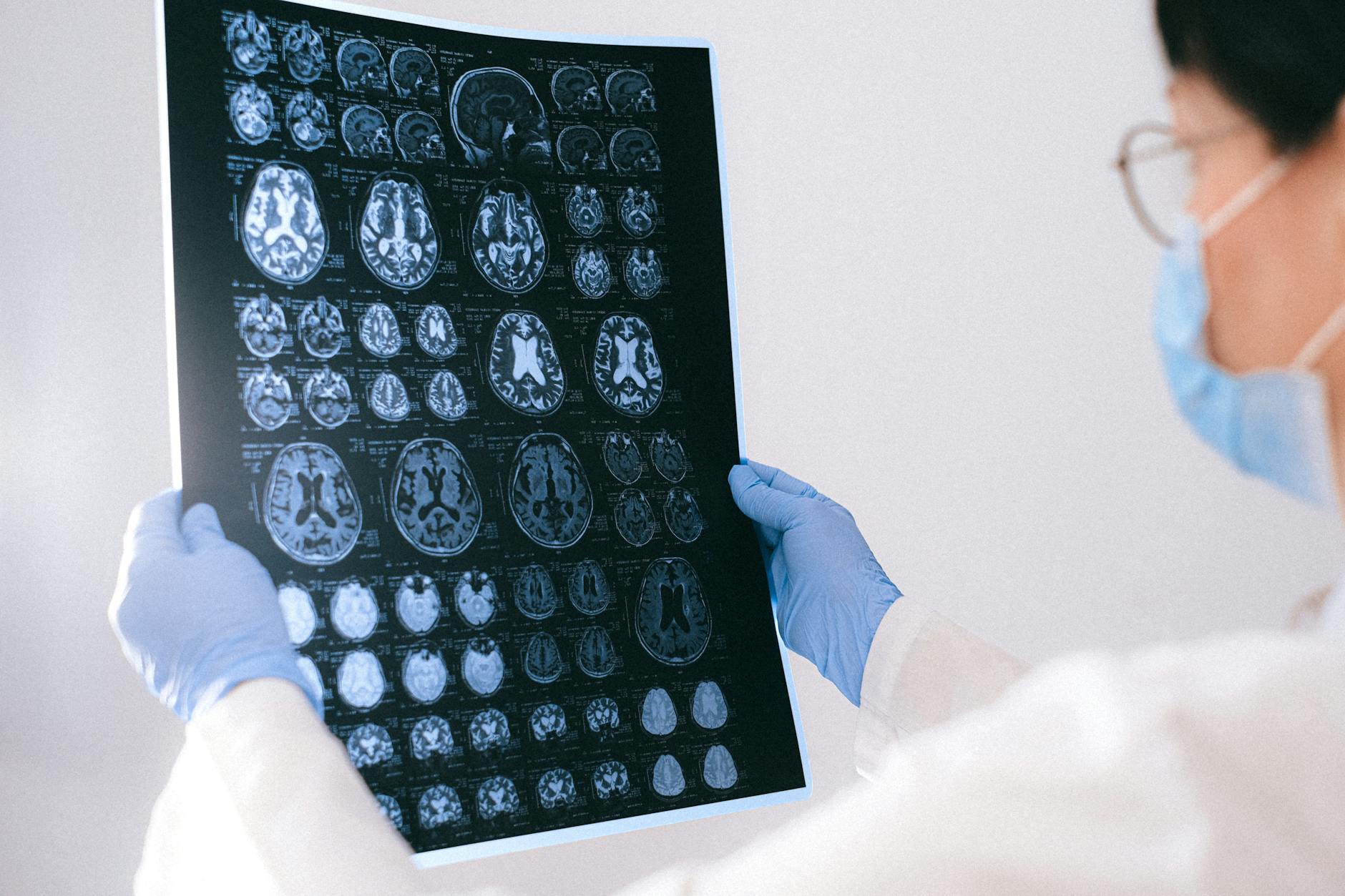
MDMA, commonly known as ecstasy or molly, is a synthetic drug that produces both stimulant and hallucinogenic effects. While its short-term effects like euphoria and increased energy are well-documented, the long-term consequences of its use, especially chronic and heavy use, are still a subject of ongoing research. In India, like in many parts of the world, understanding these potential risks is crucial for public health awareness. What is MDMA? MDMA (3,4-methylenedioxymethamphetamine) is a psychoactive drug that alters mood and perception. It primarily affects the brain's serotonin system, a crucial network that regulates emotions, sleep, appetite, and social behaviour. Its effects can last for several hours, and the drug can remain in the body for up to 40 hours after consumption. Short-Term Effects of MDMA The immediate effects of MDMA are often sought after and include feelings of: Intense pleasure and euphoria Increased energy and alertness Heightened sensory perception (touch, sound, sight) Increased empathy and emotional closeness Reduced anxiety However, these short-term effects can also be accompanied by negative experiences such as anxiety, paranoia, nausea, and increased heart rate and blood pressure. Long-Term Effects of Recreational MDMA Use The research into the long-term effects of MDMA is still evolving, but current studies suggest potential risks associated with chronic and heavy use. These effects can impact both mental and physical health: Impact on the Serotonergic System One of the most significant concerns is the drug's effect on the brain's serotonergic system. Serotonin is vital for regulating mood, memory, and other cognitive functions. Studies, including a 2019 meta-analysis, suggest that heavy MDMA use can lead to a decrease in serotonin transporter (SERT) density in various brain regions. This disruption could potentially lead to long-term changes in mood regulation and cognitive abilities. Cognitive Impairments Research has indicated that chronic MDMA use may affect cognitive functions such as: Memory: Changes in verbal, visual, and short-term memory have been observed. Reasoning and Recognition: Some studies suggest a decline in these abilities. Attention: Difficulty with attention can persist even after the primary effects of the drug have worn off. An early study from 2000 explored the literature on these cognitive effects, and subsequent research continues to investigate the extent and permanence of these changes. Mental Health Concerns While some recent research has explored potential therapeutic uses of MDMA, recreational use, particularly heavy and chronic use, is associated with risks. Although MDMA doesn't typically have the same addictive properties as drugs like cocaine or methamphetamine, substance misuse is still a concern. In rare cases, chronic MDMA use has been linked to conditions like psychosis. However, it's important to note that other psychiatric conditions arising from MDMA use are considered rare. Physical Health Effects Older research has suggested that chronic MDMA use might negatively impact the immune system, similar to the effects of excessive stress. The drug can also affect other neurotransmitter systems in the brain, such as the dopaminergic and GABAergic systems, which play roles in mood, pleasure, and other functions. The Nuance of Recent Research It is important to acknowledge that recent research is exploring the potential therapeutic benefits of MDMA under controlled medical supervision for conditions like PTSD. For instance, a 2022 study found a connection between MDMA use and a lower risk of depression, though further study is needed to confirm this association. This highlights the complex nature of MDMA's effects, which can vary significantly depending on the context of use (recreational vs. therapeutic), dosage, frequency, and individual factors. Long-Term Effects of Single-Use MDMA Even a single instance of MDMA use can potentially lead to side effects that linger for days or weeks after the initial experience. These can include: Difficulty with attention Sleep disturbances Anxiety and irritability Depressed mood Diagnosis of MDMA Use and Its Effects Diagnosing the long-term effects of MDMA use typically involves a combination of: Patient History: Detailed discussion about drug use patterns, frequency, and dosage. Psychological Evaluation: Assessing cognitive functions, mood, and mental health status. Neurological Examination: To rule out other neurological conditions. Neuroimaging (in some cases): Techniques like PET scans might be used to assess neurotransmitter levels or brain structure, though this is not standard practice for recreational use diagnosis. Treatment and Management For individuals struggling with MDMA substance misuse or experiencing adverse long-term effects, treatment often involves: Detoxification: Managing withdrawal symptoms if present. Therapy: Cognitive Behavioral Therapy (CBT) and other forms of psychotherapy can help address underlying issues and develop coping mechanisms. Support Groups: Peer support can be invaluable in recovery. Medication: In some cases, medications may be prescribed to manage specific symptoms like anxiety or depression. Prevention Prevention strategies focus on education and awareness: Educating individuals, especially young people, about the potential short-term and long-term risks associated with MDMA use. Promoting harm reduction strategies for those who choose to use drugs. Encouraging open conversations about substance use within families and communities. Providing accessible mental health support to address underlying reasons for substance use. When to Consult a Doctor It is advisable to consult a doctor or a mental health professional if you: Are experiencing persistent negative mood changes after using MDMA. Notice difficulties with memory, attention, or concentration. Are concerned about your MDMA use or have experienced an adverse reaction. Are experiencing symptoms of anxiety, depression, or psychosis. Are considering using MDMA for any reason and want to understand the risks. Understanding the evolving research on MDMA is crucial. While some studies explore its potential in controlled
In summary, timely diagnosis, evidence-based treatment, and prevention-focused care improve long-term health outcomes.