The opioid crisis has cast a long shadow over countless lives and communities. Over the last two decades, we've witnessed a staggering rise in opioid use, leading to devastating increases in opioid use disorder and overdose deaths. This isn't just about prescription painkillers like oxycodone; it also tragically involves potent substances like fentanyl and heroin. The COVID-19 pandemic, sadly, poured fuel on this already raging fire. Imagine, in 2020 alone, an estimated 68,630 lives were lost to opioid overdoses, a sharp jump from 49,860 in 2019. That's a nearly 40% increase, a chilling statistic that underscores the urgency of finding new solutions.
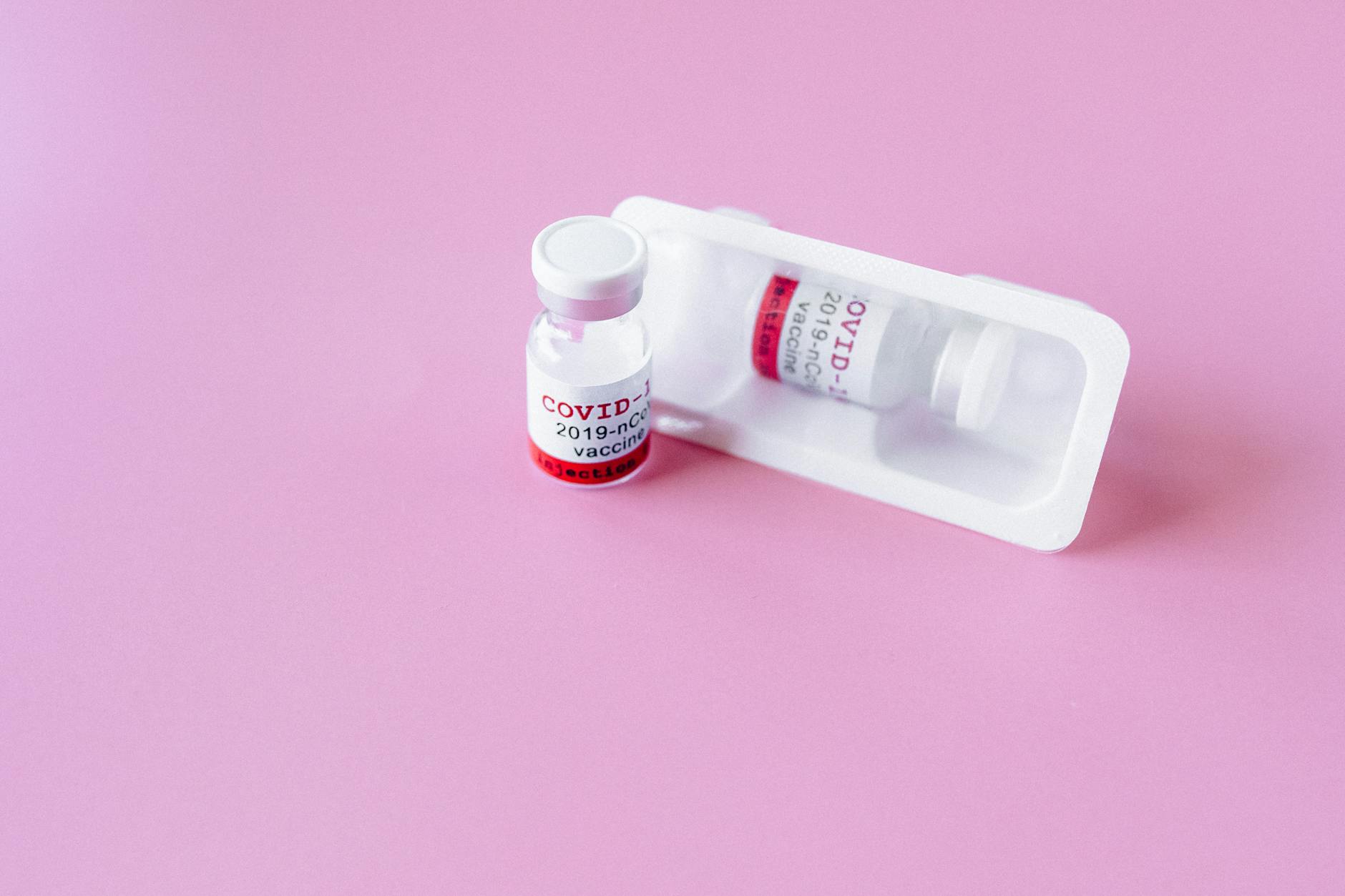
For decades, vaccines have been our silent guardians, revolutionizing public health by vanquishing diseases like polio and smallpox. While no vaccine is a magic bullet, they dramatically slash the risk of severe illness and have even led to the eradication of deadly diseases globally. We see this power at play even today with the COVID-19 vaccine, and countless other vaccines are on the horizon, targeting not just infectious diseases but also conditions like cancer, diabetes, and yes, substance use disorders.
This brings us to a potentially groundbreaking development: the opioid vaccine. While most of these are still in the early stages of research, some have shown remarkable promise in animal studies. Think of it as training your immune system to recognize and neutralize the threat before it can even take hold. Researchers are exploring vaccines for various opioids, including oxycodone, heroin, fentanyl, and carfentanil. In animal trials, these vaccines have shown an ability to protect against the dangerous respiratory depression that often leads to overdose.
How Could an Opioid Vaccine Work?
The concept is fascinatingly simple yet incredibly complex. Traditional vaccines introduce a weakened or inactive part of a germ to teach your immune system how to fight it off. An opioid vaccine aims to do something similar, but with a different target. It's designed to stimulate your immune system to produce antibodies. These antibodies act like tiny security guards, specifically designed to bind to opioid molecules. The goal? To prevent these opioid molecules from reaching the brain and spinal cord, where they exert their powerful, and often dangerous, effects.
You might wonder why this hasn't been a focus for longer. Opioid molecules are tiny. Normally, our immune systems don't see them as a threat. To overcome this, opioid vaccines typically involve three key components:
- Hapten: This is a molecule that closely resembles the opioid we're targeting. It acts as the 'wanted poster' for the immune system.
- Carrier Protein: This is a larger molecule that helps the hapten get noticed by the immune system. Think of it as attaching the 'wanted poster' to a much larger, more visible billboard.
- Adjuvant: This is an ingredient that helps boost the immune response, ensuring the body mounts a strong defense against the opioid.
When these components are introduced, the immune system creates antibodies that specifically target the opioid. If a person then takes an opioid, these antibodies can bind to the drug molecules in the bloodstream, preventing them from crossing the blood-brain barrier and causing the desired (or in this case, dangerous) euphoric and pain-relieving effects. It's like creating a shield that intercepts the drug before it can do its work.
Current Research and Clinical Trials
The journey from lab bench to widespread use is a long and rigorous one. Most opioid vaccine research has been confined to preclinical stages, meaning extensive testing in animal models. These studies have provided valuable insights and demonstrated potential efficacy. For instance, studies have looked at vaccines targeting oxycodone and heroin, with some showing significant protection in mice.
A particularly encouraging development was a 2021 animal study that examined vaccines for fentanyl and carfentanil. The results indicated that vaccinated mice were protected from opioid-induced respiratory depression, the primary cause of overdose fatalities. This is a monumental step forward, as fentanyl and its analogues are among the most dangerous and prevalent substances contributing to the crisis.
As of early 2022, a significant milestone was reached: one opioid vaccine candidate entered human clinical trials. This trial, underway at the New York State Psychiatric Institution, is focused on evaluating the safety and effectiveness of an oxycodone vaccine. This marks a pivotal moment, transitioning from animal models to human testing, which is the ultimate validation for any new medical intervention.
Potential Impact on the Opioid Crisis
If successful, opioid vaccines could revolutionize how we approach the opioid crisis. Imagine a world where addiction treatment is not solely reliant on behavioral therapies and medication-assisted treatments, though these remain vital. A vaccine could offer an additional layer of protection, particularly for individuals at high risk of relapse or initial exposure.
For those struggling with opioid use disorder, a vaccine could:
- Reduce Overdose Risk: By blocking the effects of opioids, vaccines could significantly lower the chances of a fatal overdose, especially from accidental exposure or relapse.
- Support Recovery: For individuals in recovery, a vaccine could provide a crucial safety net, preventing them from succumbing to cravings or accidental exposure.
- Deter Initial Use: The knowledge that a vaccine can block the 'high' might deter some individuals from experimenting with opioids in the first place.
- Complement Existing Treatments: Opioid vaccines are not intended to replace current, highly effective treatments like methadone, buprenorphine, and naltrexone. Instead, they could serve as a powerful adjunct, enhancing the effectiveness of these established therapies.
It's important to remember that vaccines are not a standalone cure. They are a tool, a powerful one, but they must be integrated into a comprehensive strategy that includes prevention, education, accessible treatment, and robust support systems.
Challenges and Future Directions
Despite the promising developments, several challenges lie ahead. Developing an effective vaccine for a substance like opioids is complex. The hapten-carrier conjugate needs to be stable and elicit a strong, long-lasting immune response. Furthermore, the vaccine must be effective against a range of opioid analogues, as the illicit drug supply is constantly evolving.
Another consideration is accessibility and cost. For a vaccine to make a meaningful impact on a global crisis, it must be affordable and readily available, especially in underserved communities disproportionately affected by the opioid epidemic.
The future research will likely focus on:
- Expanding clinical trials to larger, more diverse populations.
- Developing vaccines effective against a broader spectrum of opioids, including fentanyl and its derivatives.
- Investigating long-term efficacy and the need for booster shots.
- Exploring different vaccine platforms and delivery methods.
When to Consult a Doctor
While we await the full development and approval of opioid vaccines, it's essential to address the current opioid crisis with the tools we have. If you or someone you know is struggling with opioid use disorder, or if you have concerns about opioid pain management, please reach out to a healthcare professional immediately.
Consult your doctor if:
- You are prescribed opioid painkillers and have concerns about addiction or side effects.
- You or a loved one are struggling with opioid use disorder.
- You are interested in learning more about addiction treatment options, including medication-assisted treatment.
- You have questions about overdose prevention and the availability of naloxone.
The development of an opioid vaccine represents a beacon of hope. It signifies our collective commitment to fighting this devastating crisis with innovation and perseverance. While the path forward requires continued research and dedication, the possibility of a vaccine offers a tangible reason to believe in a healthier, safer future.