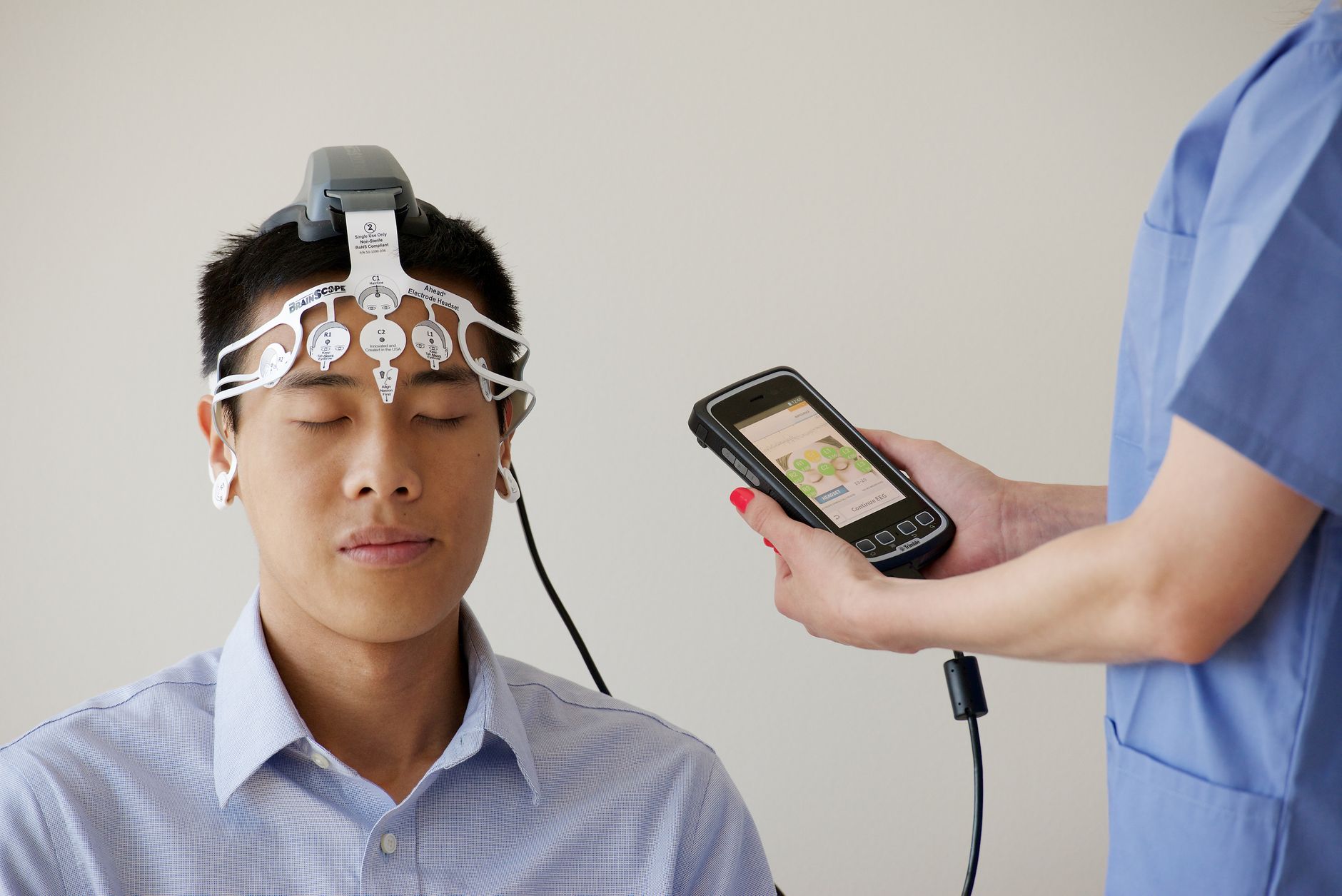
Understanding Transcranial Magnetic Stimulation (TMS) Therapy
In the journey of managing mental health and neurological conditions, finding effective treatments can sometimes feel like navigating a maze. While medications and traditional psychotherapy offer significant relief for many, a portion of individuals find these approaches don't fully address their symptoms. This is where innovative therapies like Transcranial Magnetic Stimulation, or TMS, step into the spotlight. TMS is a non-invasive brain stimulation technique that uses magnetic pulses to influence nerve cell activity in specific areas of the brain. It's gaining recognition as a valuable option, particularly for those struggling with treatment-resistant conditions.
What Exactly is TMS Therapy?
At its core, TMS is a medical procedure designed to stimulate nerve cells in the brain. It employs targeted electromagnetic pulses, delivered through a magnetic coil placed on the scalp. Because it uses repetitive electrical impulses, it's often referred to as repetitive transcranial magnetic stimulation (rTMS), though the terms are generally used interchangeably. The primary aim is to improve symptoms associated with certain mental health and neurological disorders by modulating brain activity in regions implicated in these conditions.
Who Could Benefit from TMS?
TMS therapy is most commonly recommended for individuals who haven't achieved satisfactory results with standard treatments. This often includes people diagnosed with:
- Treatment-Resistant Depression: For many, depression can be a persistent challenge. It's estimated that around 30% of individuals with depression do not respond adequately to antidepressant medications and psychotherapy. Research, such as a 2021 study, suggests that depression is linked to reduced activity in the prefrontal cortex, a brain area crucial for mood regulation, energy levels, and appetite. TMS aims to increase activity in this area.
- Obsessive-Compulsive Disorder (OCD): The U.S. Food and Drug Administration (FDA) approved TMS for OCD in 2018. Similar to depression, it's typically considered when medication and talk therapy haven't provided sufficient relief.
- Anxiety Disorders: Some evidence indicates that TMS may help with anxiety by reducing overactivity in certain brain regions, like the prefrontal cortex, which plays a role in processing fear and worry.
- Post-Traumatic Stress Disorder (PTSD): Research reviews from 2019 suggest TMS can be effective for PTSD. By targeting the prefrontal cortex, it can help regulate how the brain processes fear and traumatic memories. A 2018 clinical trial even showed that combining TMS with cognitive processing therapy led to lasting therapeutic effects for PTSD symptoms up to six months later.
- Neurological Conditions: Beyond mental health, TMS is also being explored and used for certain neurological conditions. A 2017 article noted its potential to improve swallowing difficulties following a stroke by stimulating the motor cortex. It may also offer benefits for individuals with Parkinson's disease and multiple sclerosis by addressing motor dysfunction.
- Schizophrenia: While not a primary FDA-approved indication for all symptoms, TMS is being investigated for its potential to help manage specific symptoms, such as auditory hallucinations, which affect a significant majority of people with schizophrenia.
What to Expect During a TMS Session
TMS is an outpatient procedure, meaning you can typically go home the same day and resume your normal activities, including driving. You won't need general anesthesia, and you'll remain awake throughout the session. Here's a general outline of what happens:
- Preparation: Before the procedure begins, you'll be asked to remove any magnetic-sensitive items like jewelry.
- Comfort: You'll sit in a comfortable chair, and your technician will provide earplugs to minimize the clicking sound of the magnetic pulses.
- Coil Placement: For your first session, the technician will measure your head to determine the precise location for the magnetic coil, typically over the front part of your brain. They will also personalize the machine's settings based on your individual needs.
- The Procedure: The technician will place the coil on your scalp and begin delivering magnetic pulses. You'll hear a distinct clicking sound and feel a tapping or knocking sensation under the coil.
- Duration: Each session usually lasts between 30 to 60 minutes.
The Treatment Schedule
TMS therapy isn't a one-time fix. It typically involves a series of sessions. A common treatment protocol involves receiving the therapy five days a week for approximately 4 to 6 weeks. The total duration can vary depending on your response to the treatment and the specific condition being addressed.
Potential Benefits and Considerations
The prospect of a non-invasive treatment that can offer relief when other methods haven't worked is incredibly promising. TMS offers a chance to target brain activity directly, potentially leading to significant improvements in mood, cognitive function, and overall quality of life. However, like any medical treatment, it's essential to be aware of potential considerations. While generally well-tolerated, some individuals might experience side effects such as headaches, scalp discomfort, or facial muscle twitching during or after a session. These are usually mild and temporary.
Real-Life Scenario
Consider Mrs. Sharma, a 55-year-old homemaker who has battled persistent depression for years. Despite trying several antidepressants and engaging in regular therapy, she still experiences overwhelming sadness, lack of energy, and difficulty concentrating, impacting her ability to enjoy her family life. Her doctor discusses TMS therapy as a potential next step, explaining how it could help stimulate the parts of her brain that regulate mood, offering her a new path towards feeling like herself again.
When to Consult a Doctor
If you are struggling with depression, OCD, anxiety, PTSD, or certain neurological conditions and haven't found adequate relief from conventional treatments, it's worth discussing TMS therapy with your healthcare provider. They can assess your specific situation, medical history, and determine if you are a suitable candidate for this treatment. Do not stop any current medications or therapies without consulting your doctor.
Frequently Asked Questions (FAQ)
Is TMS painful?
Most people describe the sensation during TMS as a mild tapping or knocking feeling, accompanied by a clicking sound. While some may experience mild scalp discomfort or headaches, these are usually temporary and can often be managed with over-the-counter pain relievers.
How long do the effects of TMS last?
The duration of TMS therapy's benefits can vary. Some individuals experience lasting relief, while others may require maintenance sessions. The long-term effectiveness often depends on the individual's condition, response to treatment, and ongoing management strategies.
Can I drive after a TMS session?
Yes, in most cases, you can drive yourself home after a TMS session because it is a non-invasive procedure and does not require sedation. You can resume your usual daily activities immediately.