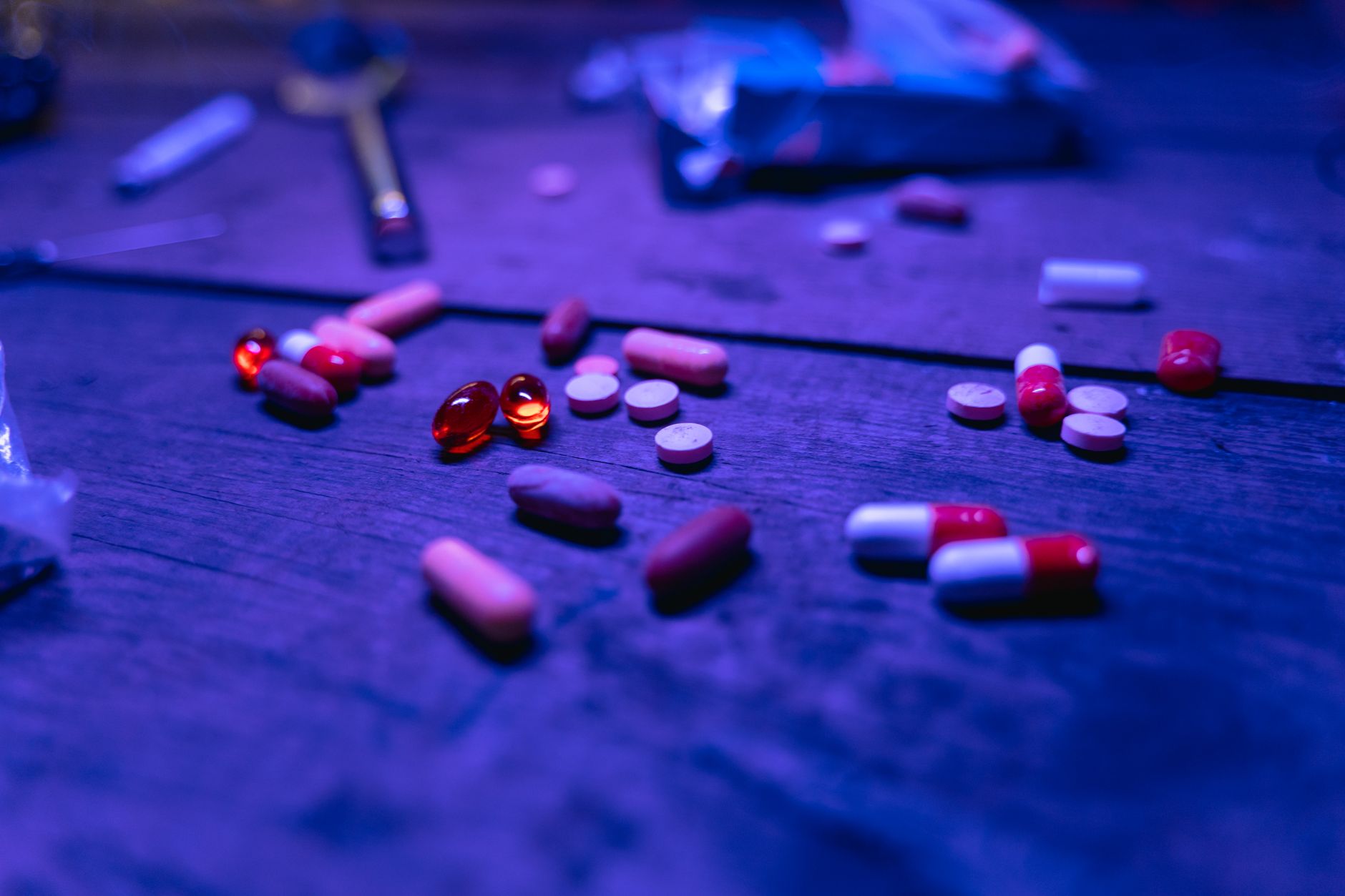
What is Lean, Also Known as Purple Drank or Sizzurp?
Lean, often called purple drank, sizzurp, or Memphis mud, is a dangerous concoction that has gained notoriety in certain music scenes and among some celebrities. It typically involves mixing prescription-strength cough syrup containing codeine and promethazine with a soft drink, and often includes hard candies or alcohol. The name "lean" comes from the physical state of impairment it causes, leading to a feeling of being heavy or "leaning" to one side. Originating in Houston, Texas, this drink is usually served in a white Styrofoam cup, a visual symbol that has become associated with its use.
While some may seek the euphoric and sedating effects, the reality of lean is far more sinister. Its use has been linked to severe health consequences, including addiction, overdose, and even death. Many popular songs and cultural references have inadvertently glamorized this substance, masking the severe dangers associated with its misuse. It's vital to understand that what might seem like a trendy drink can have devastating and irreversible health impacts.
The Alarming Ingredients of Lean
The primary components of lean are what make it so hazardous:
- Codeine: This is an opioid pain reliever and cough suppressant. In lean, it's used in prescription cough syrups. Codeine is a Schedule II controlled substance when used alone, meaning it has a high potential for abuse and addiction. Even when mixed with other ingredients in cough syrup, it remains a potent controlled substance. Due to the high risk of misuse, all products containing codeine are available only by prescription.
- Promethazine: This is an antihistamine that has sedative properties. It's often combined with codeine in prescription cough syrups to enhance the calming and drowsy effects.
- Soft Drink: Typically, a lemon-lime soda like Sprite or Mountain Dew is used to mask the taste of the cough syrup and add sweetness.
- Hard Candy: Some users add hard candies, such as Jolly Ranchers, for extra sweetness and color.
- Alcohol: While not always present, alcohol is frequently added to amplify the sedative and euphoric effects. This combination is particularly dangerous, significantly increasing the risk of overdose.
In some cases, individuals might use over-the-counter (OTC) cough syrups containing dextromethorphan (DXM) instead of prescription codeine. However, OTC cough syrups no longer contain alcohol, so users often add their own. Other variations might involve adding codeine tablets directly to the mixture.
How Lean Affects Your Body
Lean acts primarily on the central nervous system (CNS), slowing down brain activity. This leads to the characteristic feelings of euphoria, relaxation, and heavy sedation that users seek. It can create a dreamy, detached sensation, making users feel as if they are floating. However, these effects come at a steep price:
Short-Term Effects:
- Euphoria and a sense of well-being
- Drowsiness and sedation
- Impaired coordination and judgment
- Nausea and vomiting
- Constipation
- Blurred vision
- Slowed breathing rate
Dangerous High Doses and Immediate Risks:
When taken in doses higher than prescribed (which is almost always the case with lean), the effects become significantly more dangerous:
- Respiratory Depression: The slowing of breathing can become severe, leading to a lack of oxygen to the brain and body. This is a life-threatening condition.
- Hallucinations: Users may experience vivid and disturbing hallucinations.
- Seizures: High doses can trigger seizures, especially in individuals predisposed to them.
- Loss of Consciousness: The heavy sedation can lead to a complete loss of consciousness, making the individual vulnerable.
- Overdose: The combination of codeine and promethazine, especially when mixed with alcohol or other substances, dramatically increases the risk of a fatal overdose.
The Long-Term Consequences of Lean Use
Regular or heavy use of lean can lead to a cascade of serious and lasting health problems:
- Tolerance: The body becomes accustomed to the drug, requiring higher doses to achieve the same effect, thus increasing the risk of overdose.
- Dependence: The body becomes reliant on the drug to function normally, leading to withdrawal symptoms when use is stopped.
- Addiction: This is a chronic brain disease characterized by compulsive drug seeking and use, despite harmful consequences.
- Withdrawal Symptoms: If a dependent person stops using lean, they can experience unpleasant symptoms such as sweating, irritability, anxiety, insomnia, muscle aches, and nausea.
- Liver Damage: The liver can be severely damaged by the regular intake of these potent chemicals.
- Brain Lesions: Chronic misuse can lead to structural changes and damage in the brain.
- Permanent Psychosis: In some individuals, long-term use can trigger or exacerbate psychotic disorders that may become permanent.
- Epilepsy: The risk of developing epilepsy or having recurrent seizures can increase with prolonged misuse.
Real-Life Scenario: A Young Man's Struggle
Rohan, a 22-year-old college student, started using lean after hearing about it from friends and seeing it mentioned in music. Initially, he only used it occasionally at parties, enjoying the feeling of relaxation and euphoria. However, he soon found himself reaching for it more often, especially when stressed about exams or social pressures. His grades began to slip, he became withdrawn from his family, and his physical health deteriorated. He experienced frequent nausea and lacked energy, yet he couldn't stop, fearing the withdrawal symptoms and the inability to cope without it.
When to Seek Immediate Medical Help
If you or someone you know experiences any of the following severe symptoms, call emergency services (like 108 or 112 in India) immediately:
- Extreme difficulty breathing or stopped breathing
- Unresponsiveness or inability to wake up
- Severe confusion or disorientation
- Seizures
- Chest pain
- Hallucinations
- Persistent vomiting
Getting Help for Lean Addiction
Addiction to lean is a serious medical condition that requires professional help. If you are struggling with lean use or suspect someone you care about is, please reach out for support. Here are some steps you can take:
Consult a Doctor or Addiction Specialist:
Your doctor can assess your health, discuss treatment options, and refer you to specialists. They can help manage withdrawal symptoms safely and develop a comprehensive treatment plan.
Seek Professional Treatment Programs:
Various treatment programs can help individuals overcome addiction. These may include:
- Detoxification: Medically supervised withdrawal to manage physical symptoms safely.
- Therapy: Individual and group therapy sessions to address the psychological aspects of addiction, develop coping mechanisms, and prevent relapse. Cognitive Behavioral Therapy (CBT) and Motivational Interviewing are often effective.
- Support Groups: Peer support groups like Narcotics Anonymous (NA) can provide a sense of community and shared understanding.
Utilize Helplines:
In India, you can reach out to helplines for de-addiction and mental health support. For instance, SAMHSA's National Helpline (though US-based) provides a model: 800-662-HELP (4357) or an online treatment locator. Local Indian helplines and de-addiction centers offer similar critical services.
Prevention is Key
The most effective way to avoid the dangers of lean is to never use it. Understanding the severe risks involved is the first step in making informed decisions about your health. Education about the dangers of drug misuse, particularly among young people and in communities where it is prevalent, is essential. Open conversations with friends and family about substance abuse can also create a supportive environment to resist peer pressure.
Frequently Asked Questions (FAQ)
What are the immediate dangers of drinking lean?
The immediate dangers include slowed breathing (respiratory depression), seizures, loss of consciousness, hallucinations, and a high risk of fatal overdose, especially when mixed with alcohol.
Can lean cause addiction?
Yes, lean is highly addictive due to its codeine content, which is an opioid. Regular use leads to tolerance, dependence, and can develop into a severe addiction.
Is lean legal?
No, lean is not legal. The prescription cough syrups containing codeine and promethazine are controlled substances. Manufacturing, distributing, or possessing lean without a license is illegal and carries severe penalties.
What are the long-term health effects of using lean?
Long-term effects can include liver damage, brain lesions, permanent psychosis, epilepsy, severe dental problems, and chronic addiction, which requires extensive treatment.
What should I do if I suspect someone is using lean?
Encourage them to seek professional help. If they are experiencing a medical emergency, call for immediate medical assistance. You can also help by providing information about de-addiction resources and offering your support.