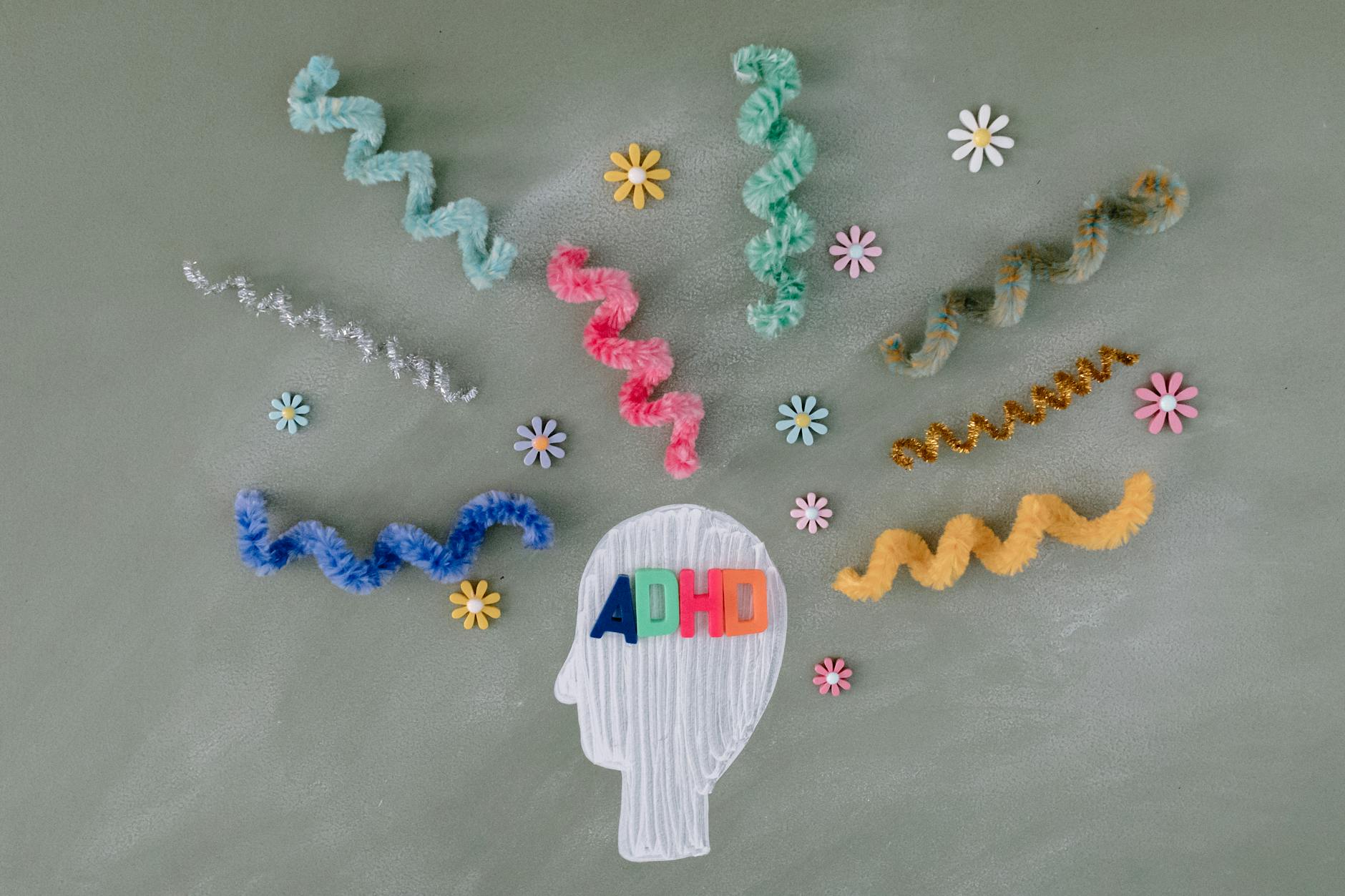
Understanding the Link Between ADHD and Auditory Processing Disorder (APD) Attention Deficit Hyperactivity Disorder (ADHD) is a common mental health condition that impacts how individuals think, behave, and manage daily life. Its core characteristics include inattention, hyperactivity, and impulsive behaviours. On the other hand, Auditory Processing Disorder (APD), also known as Central Auditory Processing Disorder (CAPD), is a condition where the brain struggles to process auditory information effectively. This can lead to difficulties in hearing certain sounds, understanding speech, and interpreting auditory cues. While APD and ADHD are distinct conditions, they often co-occur and share several overlapping symptoms, leading to confusion and challenges for those affected. What is Auditory Processing Disorder (APD)? APD is not caused by cognitive or language impairments. Instead, it originates in the central auditory nervous system, the part of the brain responsible for processing sound information and connecting with other brain regions. This intricate network allows us to perceive, interpret, and understand sounds. When this system is not functioning optimally, individuals with APD may face difficulties with: Memory: Remembering spoken information or instructions. Hearing in Noisy Environments: Distinguishing speech from background noise. Understanding Instructions: Following multi-step or complex directions. Reading and Spelling: Challenges that often stem from difficulties in processing the sounds of language. Concentration: Maintaining focus on auditory input. APD can affect people of all ages, but it is particularly common in children, especially those with conditions like ADHD, dyslexia, and Autism Spectrum Disorder (ASD). The symptoms in children can manifest as: Longer response times when communicating. Inability to follow complex commands. Poor attention span and being easily distracted. Difficulty locating the source of sounds. Struggles understanding speech in noisy settings or when spoken to rapidly. Inconsistent or inappropriate responses in conversations. Difficulties with reading, spelling, and overall learning. What is Attention Deficit Hyperactivity Disorder (ADHD)? ADHD is a neurodevelopmental disorder characterized by persistent patterns of inattention and/or hyperactivity-impulsivity that interfere with functioning or development. Individuals with ADHD may: Have trouble paying attention to details or staying focused on tasks. Seem to not listen when spoken to directly. Have difficulty organizing tasks and activities. Lose things necessary for tasks. Be easily distracted by external stimuli. Be forgetful in daily activities. Fidget with or tap hands or feet, or squirm in seats. Have difficulty staying seated when it is expected. Run about or climb in situations where it is inappropriate. Act as if “driven by a motor.” Talk excessively. Blurt out answers before questions are completed. Have difficulty waiting their turn. Interrupt or intrude on others. The Overlap and Differences: ADHD vs. APD The relationship between ADHD and APD is complex. Many symptoms of APD, such as difficulty with attention, following instructions, and understanding language, can mimic those of ADHD. This overlap can make diagnosis challenging. However, it's crucial to understand that they are separate conditions: APD: Primarily affects the brain's ability to process auditory information. The core issue is how sounds are interpreted. ADHD: A broader neurodevelopmental disorder affecting attention, impulse control, and activity levels. While auditory processing can be affected, it's not the primary deficit. Research suggests that individuals with ADHD often experience higher rates of auditory processing challenges. Studies have shown that children with ADHD may perform lower on specific auditory processing tests compared to their peers without ADHD. These tests often assess: Auditory Closure: The ability to recognize a word or sound when parts are missing. Binaural Integration: The capacity to combine auditory input from both ears. Temporal Ordering: The skill to perceive the sequence and timing of sounds. The difficulties associated with ADHD, such as problems with attention, memory, and executive functions (planning, organizing), can indirectly contribute to challenges in processing auditory information. For instance, an individual with ADHD might struggle to listen to and retain instructions because their attention is easily diverted, not necessarily because their auditory system is fundamentally impaired in processing the sounds themselves. Diagnosis and When to Seek Help Diagnosing APD can be complex because it is not listed as a standalone diagnosis in the DSM-5-TR (Diagnostic and Statistical Manual of Mental Disorders, 5th edition, text revision). Instead, its symptoms often fall under the broader category of language disorders. A comprehensive evaluation by an audiologist is typically required to diagnose APD. This evaluation usually includes: Pure-tone audiometry to assess hearing sensitivity. Speech audiometry to evaluate how well individuals understand speech in quiet and noisy environments. Specialized tests to assess various aspects of auditory processing, such as those mentioned above (auditory closure, binaural integration, temporal ordering). If you suspect your child or yourself might have either ADHD or APD, or a combination of both, it is essential to consult a healthcare professional. Early and accurate diagnosis is key to developing an effective management plan. Treatment and Management Strategies While APD and ADHD are distinct, their treatment often involves a multidisciplinary approach. For APD, management strategies may include: Auditory Training: Exercises to improve the brain's ability to process sounds. Environmental Modifications: Reducing background noise, using visual aids, and ensuring clear communication. Assistive Listening Devices: Such as FM systems, which transmit sound directly to the listener. For ADHD, treatment options commonly include: Medication: Stimulants like methylphenidate (MPH) have shown promise in improving auditory processing difficulties in children with ADHD. Non-stimulant medications are also available. Behavioural Therapy: Strategies to manage inattention, hyperactivity, and impulsivity. Parent Training and Educational Support: To help manage symptoms and improve functioning at home and school. It's
In summary, timely diagnosis, evidence-based treatment, and prevention-focused care improve long-term health outcomes.