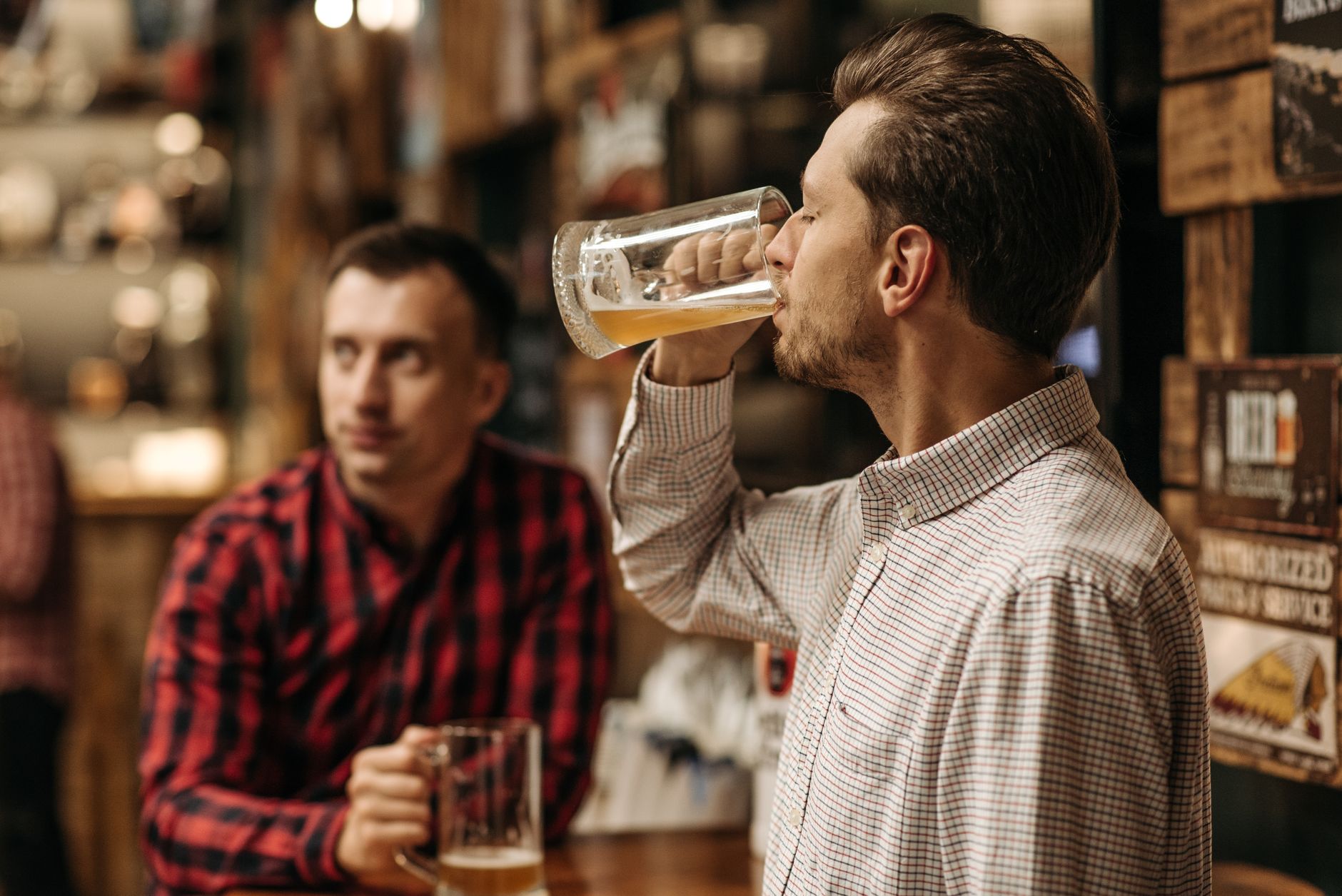
Understanding the Connection Between Alcohol and Macular Degeneration
Macular degeneration, often referred to as age-related macular degeneration (AMD), is a prevalent eye condition that significantly affects visual acuity, particularly central vision. As the name suggests, aging is a primary risk factor, but lifestyle choices, including diet and alcohol consumption, also play a crucial role. This article delves into the complex relationship between drinking alcohol and macular degeneration, exploring what current research suggests about the risks, potential impacts, and preventive measures.
What is Macular Degeneration?
The macula is a small, highly sensitive area in the center of the retina responsible for sharp, detailed vision. AMD affects this macula, leading to blurred or reduced central vision. This can make it difficult to perform everyday tasks such as reading, driving, and recognizing faces. AMD typically progresses slowly, but in some cases, it can advance rapidly, leading to severe vision loss.
Risk Factors for Macular Degeneration
Several factors can increase an individual's risk of developing AMD. These include:
- Age: The risk increases significantly after the age of 50.
- Genetics: A family history of AMD can increase your predisposition.
- Smoking: Smokers are at a considerably higher risk compared to non-smokers.
- Diet: A diet high in saturated fats and low in fruits, vegetables, and whole grains may contribute to the risk.
- Sun Exposure: Prolonged and unprotected exposure to sunlight, especially UV rays, can be a contributing factor.
- Cardiovascular Health: Conditions like hypertension (high blood pressure) and heart disease are linked to an increased risk of AMD.
- Alcohol Consumption: Emerging research suggests a potential link between alcohol intake and AMD.
Can Drinking Alcohol Lead to or Worsen Macular Degeneration?
While a definitive causal relationship between alcohol consumption and AMD is still under investigation, a growing body of research indicates an association, particularly with heavy alcohol use. Here's what studies suggest:
Heavy Alcohol Consumption and AMD
Several studies have pointed towards a link between heavy alcohol consumption and an increased risk of developing AMD, as well as worsening existing conditions. A 2021 research review that analyzed seven previous studies found that the impact of alcohol on AMD might depend on the amount consumed and the stage of the disease. Another randomized study from 2021 also noted a higher risk of late-stage AMD in individuals who consumed 2.7 or more drinks per week, especially those with a genetic predisposition.
Moderate vs. Light Drinking
The impact of moderate or light alcohol consumption on AMD is less clear. Some research suggests that moderate to heavy drinking may exacerbate early stages of AMD, while light drinking might not have a significant impact. However, it's important to note that 'moderate' and 'heavy' drinking have specific definitions:
- According to the CDC:
- Excessive alcohol use: More than 8 drinks per week for women and more than 15 drinks per week for men.
- Moderate alcohol consumption: Up to 1 drink per day for women and up to 2 drinks per day for men.
It is crucial to be aware of your alcohol intake and compare it to these guidelines.
Potential Mechanisms
The exact biological mechanisms through which alcohol might affect AMD are still being explored. However, some theories include:
- Photoreceptor Atrophy: Some studies indicate a potential link between daily or moderate to heavy alcohol consumption and photoreceptor atrophy. This is an irreversible breakdown of the light-sensitive cells in the retina, which is a component of late-stage AMD and leads to permanent vision loss.
- Inflammation and Oxidative Stress: Excessive alcohol consumption can contribute to systemic inflammation and oxidative stress, both of which are implicated in the development and progression of AMD.
- Nutrient Depletion: Heavy alcohol use can interfere with the absorption and metabolism of essential nutrients vital for eye health, such as vitamins and antioxidants.
Other Potential Eye Health Effects of Alcohol
Beyond AMD, alcohol consumption can have other adverse effects on eye health. A 2021 research review highlighted potential impacts such as:
- Dry Eyes: Alcohol can dehydrate the body, including the eyes, leading to or worsening dry eye symptoms.
- Blurred Vision: Excessive alcohol intake can temporarily affect vision, causing blurriness.
- Optic Nerve Damage: Chronic heavy drinking can lead to toxic optic neuropathy, damaging the optic nerve and potentially causing vision loss.
Can Avoiding Alcohol Prevent or Reverse Macular Degeneration?
The question of whether limiting or avoiding alcohol can prevent or reverse AMD is complex. Current research suggests:
- Prevention: It is not yet definitively proven whether alcohol avoidance can prevent the early onset of AMD. However, given the association between heavy drinking and increased risk, reducing alcohol intake is a prudent step for overall health and may contribute to eye health.
- Worsening of Early AMD: Limiting or avoiding alcohol might help slow down the progression of early AMD, as recent research has linked the habit to the disease's development.
- Late-Stage AMD: There is no current evidence to suggest that avoiding alcohol can reverse AMD once it has reached its late stages.
Therefore, while reducing alcohol consumption is beneficial for general well-being and may play a role in managing AMD risk, it should not be considered a standalone cure or guaranteed preventive measure.
Treatment and Management of AMD
AMD is currently not reversible, but treatments can help slow its progression and manage vision loss, especially in the intermediate and wet forms. A doctor may recommend:
- Lifestyle Modifications: This often includes dietary changes, quitting smoking, and potentially eliminating or reducing alcohol consumption.
- Nutritional Supplements: For intermediate dry AMD, specific antioxidant and mineral supplements (like AREDS2 formulation) may be recommended.
- Anti-VEGF Injections: For wet AMD, injections that block vascular endothelial growth factor (VEGF) can help reduce abnormal blood vessel growth and leakage in the eye.
- Vision Rehabilitation: Therapies and devices can help individuals adapt to vision loss and maintain independence.
Alcohol and AMD Medications
It is crucial to be aware that some medications used to treat AMD can interact with alcohol. These interactions can lead to serious health consequences. Always discuss your alcohol consumption habits with your doctor, especially when starting new medications. Ensure you understand the contraindications and potential side effects of your prescribed treatments.
When to Consult a Doctor
It is advisable to consult a healthcare professional if you:
- Have an increased risk of developing AMD (e.g., family history, age over 50, smoking).
- Have been diagnosed with AMD.
- Are concerned about your alcohol intake and its potential impact on your health.
- Are experiencing any changes in your vision.
Your doctor can provide personalized advice based on your health status, risk factors, and lifestyle, including guidance on alcohol consumption and AMD management.
Conclusion
The relationship between alcohol and macular degeneration is complex and still being researched. However, current evidence suggests that heavy alcohol consumption may increase the risk of developing AMD and worsen existing conditions. While the benefits of limiting alcohol for AMD prevention or reversal are not definitively proven, reducing alcohol intake is a positive step for overall health and may contribute to better eye health. Prioritizing a healthy lifestyle, including a balanced diet, regular exercise, avoiding smoking, and moderate alcohol consumption, is essential for maintaining good vision and overall well-being.
Frequently Asked Questions (FAQ)
Q1: Does light drinking of alcohol affect macular degeneration?
The impact of light drinking on macular degeneration is not clearly established. Some studies suggest that light consumption may not have a significant impact, while moderate to heavy drinking is more strongly associated with increased risk and worsening of the condition.
Q2: Can quitting alcohol help my vision if I have AMD?
While it's not proven that quitting alcohol can reverse AMD, especially in its late stages, it might help slow the progression of early AMD. Reducing alcohol intake is beneficial for overall health and can be a supportive measure in managing AMD.
Q3: Are there specific nutrients that help protect against AMD?
Yes, certain nutrients like Lutein, Zeaxanthin, Vitamin C, Vitamin E, Zinc, and Copper are believed to support eye health and may help reduce the risk or slow the progression of AMD. These are often found in leafy green vegetables, fruits, and nuts. The AREDS2 formula is a specific supplement combination recommended for intermediate AMD.
Q4: What are the main symptoms of macular degeneration?
The primary symptoms include blurred or distorted central vision, difficulty seeing in low light, and a need for brighter light to read or perform close-up tasks. Straight lines may appear wavy or crooked.
Q5: How much alcohol is considered 'heavy drinking' according to health guidelines?
According to the CDC, heavy alcohol use is defined as more than 8 drinks per week for women and more than 15 drinks per week for men. It's important to be aware of these definitions to manage your intake responsibly.