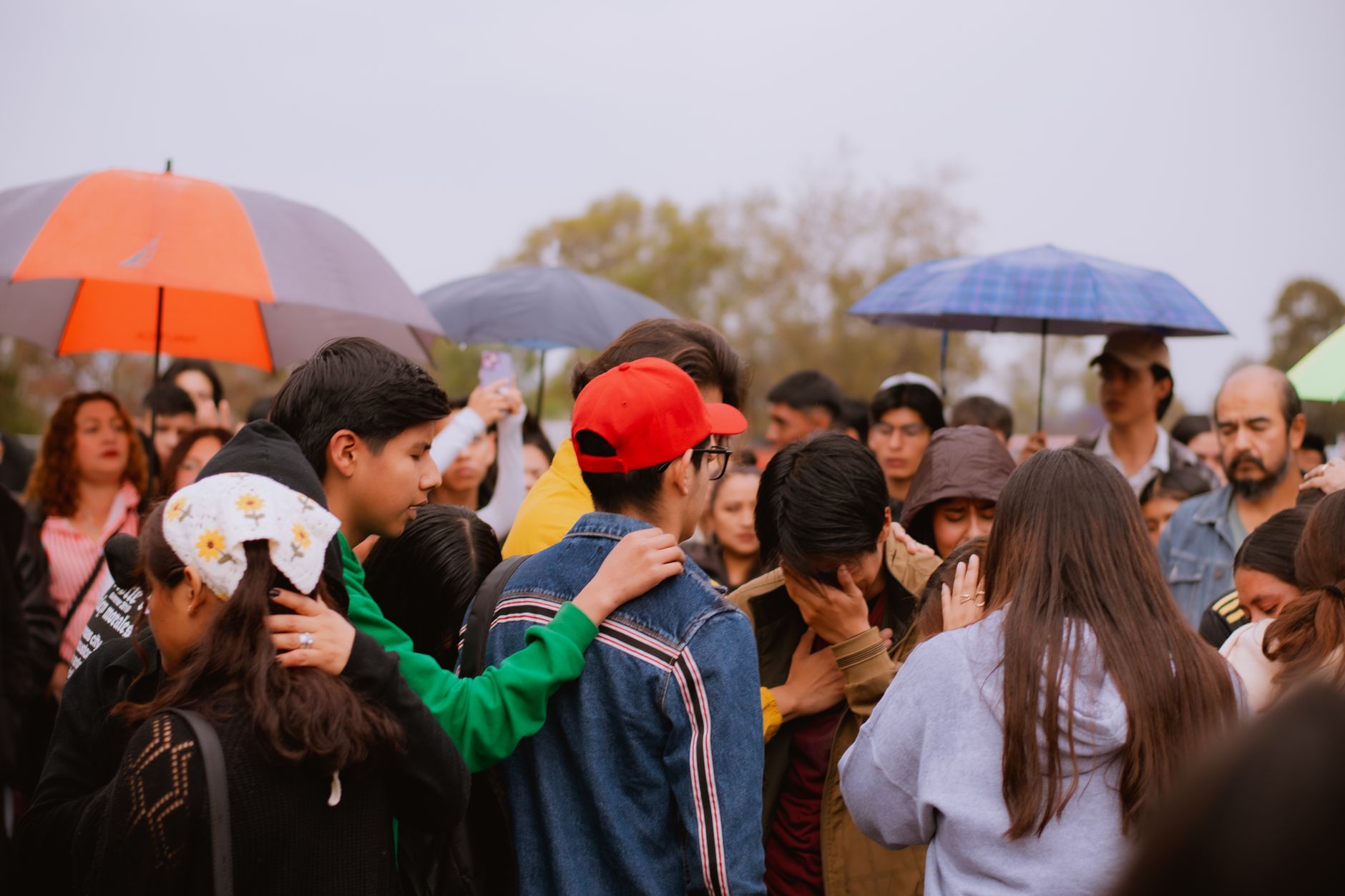
Navigating the complexities of Alzheimer's disease can feel like an isolating journey. For millions in India, this progressive brain disorder presents a unique set of challenges, not only for the individuals directly affected but also for their devoted caregivers and loving families. The numbers are significant and growing. According to recent data, while specific Indian statistics are still emerging, global trends indicate a substantial rise in Alzheimer's cases, projected to more than double in the coming decades without significant medical breakthroughs. This escalating reality underscores the profound need for robust support systems. Fortunately, you are not alone. Alzheimer's support groups offer a vital lifeline, a shared space where understanding, empathy, and practical advice converge. These groups, whether found in bustling city centers or accessible through the digital realm, provide a sanctuary for those seeking connection and empowerment. They are more than just meetings; they are communities built on shared experiences, offering a sense of belonging and reducing the overwhelming feelings of isolation that often accompany this condition.
The journey with Alzheimer's is marked by its progressive nature. Symptoms gradually intensify over time, necessitating ongoing medical care to manage the effects and slow down the disease's progression. This constant evolution means that both patients and their support networks require continuous assistance. The emotional, mental, and physical toll on caregivers can be immense. They often juggle demanding daily tasks, navigate complex medical decisions, and cope with the emotional strain of watching a loved one decline. Recognizing this, support groups extend their reach to encompass the needs of these unsung heroes, providing them with the tools and encouragement they need to persevere.
Imagine a place where you can speak openly about your fears, frustrations, and even your small victories, without judgment. That's the essence of a support group. It's a space where you can exchange practical tips on managing daily care, discuss coping strategies for challenging behaviors, and find solace in knowing that others understand the unique hurdles you face. Whether you are a patient seeking to connect with peers or a caregiver looking for respite and guidance, these groups are designed to uplift and empower.
Why Are Alzheimer's Support Groups So Important?
The benefits of joining an Alzheimer's support group are manifold and deeply impactful. They address several critical needs:
- Emotional Support: Sharing experiences with others who truly understand can significantly alleviate feelings of loneliness, anxiety, and depression. It provides an outlet for expressing emotions that might be difficult to share elsewhere.
- Practical Advice: Members often share invaluable tips on managing daily care, navigating healthcare systems, accessing resources, and dealing with behavioral changes associated with Alzheimer's. This practical wisdom is often gained through firsthand experience.
- Reduced Isolation: Alzheimer's can be an isolating disease for both the patient and their family. Support groups create a sense of community, reminding everyone that they are part of a larger network of individuals facing similar challenges.
- Empowerment: Knowledge is power. Learning from others, sharing your own insights, and actively participating in a supportive community can make individuals feel more in control and less helpless in the face of the disease.
- Caregiver Respite: For caregivers, support groups offer a much-needed break. It’s a chance to step away from daily responsibilities, connect with peers who understand the demands of caregiving, and recharge emotionally and mentally.
- Information and Education: Groups often invite medical professionals or share reliable information about Alzheimer's, treatment options, and research advancements, helping members stay informed.
Finding Support: Your Options in India
The landscape of Alzheimer's support in India is evolving, with a growing number of resources becoming available. While dedicated national organizations might be in development, leveraging existing networks and online platforms is key.
In-Person Support Groups: Connecting Locally
Finding a local, in-person support group often involves tapping into community resources. Consider these avenues:
- Hospitals and Clinics: Many major hospitals and neurology centers in cities like Mumbai, Delhi, Bengaluru, and Chennai may offer support groups for patients and caregivers. Inquire with the neurology or geriatric departments.
- NGOs and Non-Profits: Organizations focused on elder care or neurological disorders are excellent starting points. They often host or can direct you to local support initiatives. Research NGOs working in the field of dementia and Alzheimer's in your specific city or region.
- Community Centers and Religious Organizations: Sometimes, local community centers or religious institutions provide space for support groups to meet.
- Word of Mouth: Don't underestimate the power of personal connections. If you know others affected by Alzheimer's, ask them about any groups they may be aware of.
Online Support Groups: Bridging Distances
The digital age has made finding support easier than ever, especially for those in remote areas or with mobility challenges. Online platforms offer immense flexibility and accessibility.
- The Alzheimer's Association's ALZConnected: While US-based, ALZConnected offers online message boards that can be accessed globally. The 'I Am Living with Alzheimer’s or Other Dementia' forum is specifically for individuals with the condition, and the 'I Am a Caregiver' forum is for their supporters. Remember to be cautious about sharing personal information as these are public forums.
- Facebook Groups: Facebook hosts numerous private and public groups dedicated to Alzheimer's and dementia. Search for terms like "Alzheimer's Support India," "Dementia Caregivers India," or "Alzheimer's India." Look for groups with active communities and clear moderation. Examples include groups like "Alzheimer's Association: The Longest Day" (though global, it has Indian members) or specific caregiver support groups.
- Dedicated Indian Helplines and Websites: Keep an eye out for Indian organizations that may offer online forums or chat support. Websites like the Alzheimer's and Related Disorders Society of India (ARDSI) are invaluable resources for information and may list local chapters or initiatives that include online components.
- Telehealth Platforms: Some telehealth providers might facilitate virtual support group sessions.
Finding Support for Caregivers: You Deserve It Too!
Caregiving for someone with Alzheimer's is a marathon, not a sprint. It demands immense resilience. Caregiver support groups are specifically designed to address the unique stresses and challenges faced by those providing daily care. These groups offer:
- Validation: Acknowledgment of the difficulties and emotional toll of caregiving.
- Coping Strategies: Learning practical ways to manage stress, burnout, and difficult behaviors.
- Shared Experiences: Connecting with others who truly 'get it,' reducing feelings of isolation.
- Respite: A mental break to focus on your own well-being.
Look for caregiver-specific groups within the general Alzheimer's support network, both online and in-person. The Alzheimer's Association's 'I Am a Caregiver' forum on ALZConnected is a prime example of a virtual space dedicated to caregiver needs.
When to Seek Professional Help
While support groups offer invaluable community and practical advice, they are not a substitute for professional medical care. It is essential to consult healthcare professionals for diagnosis, treatment, and ongoing management of Alzheimer's disease. If you or a loved one experiences:
- Significant memory loss impacting daily life
- Difficulty with problem-solving or decision-making
- Challenges with familiar tasks
- Confusion with time or place
- Problems with speech or writing
- Misplacing items and inability to retrace steps
- Poor judgment
- Withdrawal from social activities
- Changes in mood or personality
...it is imperative to seek medical advice from a doctor, neurologist, or geriatric specialist. Support groups can complement medical treatment but should never replace it.
The journey with Alzheimer's is undeniably challenging, but it does not have to be a solitary one. By reaching out, connecting with others, and accessing the wealth of resources available, both in your local community and online, you can find strength, support, and a renewed sense of hope. Remember, seeking help is a sign of strength, and together, we can navigate this path with greater resilience and compassion.