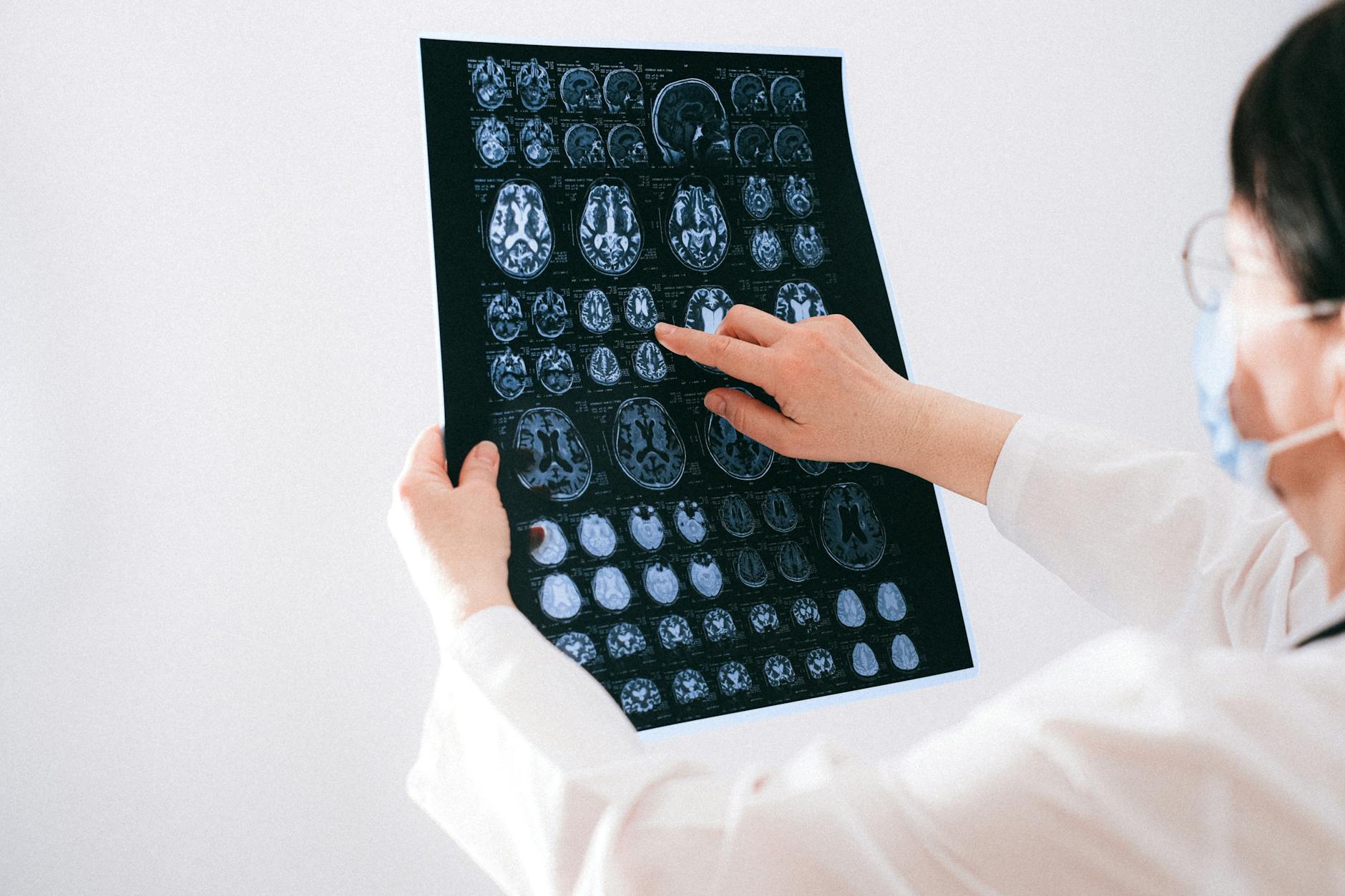
What is Basal Ganglia Calcification (BGC)? Basal Ganglia Calcification (BGC) refers to the buildup of calcium deposits in a specific part of your brain called the basal ganglia. This area plays a crucial role in controlling voluntary movements, learning habits, and other cognitive functions like emotional responses and speech. When calcium accumulates in these vital structures, it can lead to a range of neurological and neuropsychiatric issues. BGC is considered rare, and its exact prevalence is not precisely known. However, studies suggest that incidental evidence of BGC can be found in about 0.3% to 1.2% of brain CT scans, indicating it's not an entirely uncommon finding, though often asymptomatic. Types of Basal Ganglia Calcification BGC can be broadly categorized into two main types: Primary BGC (Fahr's Disease): This type is primarily caused by genetic changes. It can be inherited from parents, either in an autosomal dominant manner (requiring only one copy of an altered gene) or, less commonly, in an autosomal recessive manner (requiring two copies of an altered gene). In some cases, these genetic changes can occur randomly. Secondary BGC (Fahr's Syndrome): This form is linked to other underlying health conditions. It often appears earlier in life, typically between the ages of 30 and 40, compared to primary BGC which usually manifests symptoms between 40 and 60 years of age. Potential Causes of BGC The development of BGC can be influenced by several factors: Genetic Factors: As mentioned, inherited genetic mutations are a primary cause of primary BGC. Metabolic Imbalances: Issues with how the body absorbs and excretes certain substances, like iron, and the presence of free radicals can contribute to calcification. Underlying Health Conditions (for Secondary BGC): Several medical conditions can trigger secondary BGC, including: Infections: Such as HIV, toxoplasmosis, and brucellosis. Metabolic Disorders: Conditions affecting calcium and phosphate levels in the body. Genetic Syndromes: Certain inherited syndromes can predispose individuals to BGC. Vascular Issues: Problems affecting blood vessels in the brain. Inflammation: Calcification often occurs in and around blood vessels. This, along with associated inflammation, can restrict blood flow in the brain, potentially leading to further nerve cell damage. Symptoms of Basal Ganglia Calcification The symptoms of BGC can vary significantly from person to person, ranging from none at all to severe neurological and psychiatric disturbances. The severity often depends on the extent and location of the calcification. Neurological Symptoms: These symptoms primarily affect movement control: Parkinsonism-like symptoms: Tremors, slow movements (bradykinesia), muscle rigidity, a shuffling gait, and a masked facial expression. Involuntary Movements: These can manifest as: Dystonia: Repetitive or twisting movements. Chorea: Rapid, jerky movements. Athetosis: Writhing, snake-like movements. Speech difficulties Swallowing problems Cognitive decline Neuropsychiatric Symptoms: These symptoms affect mood, perception, and behavior: Depression Anxiety Irritability Obsessive-compulsive disorder (OCD)-like behaviors Mood swings Psychosis (in some cases) Memory problems Can Basal Ganglia Calcification Cause Stroke? While the exact relationship is still being researched, stroke is considered a possible complication of BGC. Some studies have noted a higher incidence of BGC in individuals who have experienced an ischemic stroke. The presence of calcifications, particularly in or around blood vessels, might contribute to inflammation that could narrow or block blood flow, thereby increasing the risk of stroke. However, more research is needed to definitively establish this link. Diagnosis of Basal Ganglia Calcification Diagnosing BGC typically involves a combination of medical history, neurological examination, and advanced imaging techniques: Medical History and Neurological Exam: A doctor will assess your symptoms, family history, and perform tests to evaluate your movement, coordination, reflexes, and cognitive functions. Brain Imaging: This is crucial for identifying calcium deposits. CT Scan (Computed Tomography): This is often the first imaging test used as it clearly shows calcifications in the brain. MRI Scan (Magnetic Resonance Imaging): While CT is better for visualizing calcium, MRI can provide more detailed images of the brain structure and help identify any associated abnormalities or other conditions. Genetic Testing: If primary BGC is suspected, genetic testing may be recommended to identify specific gene mutations associated with the condition. Blood Tests: These can help rule out metabolic causes or infections contributing to secondary BGC by checking calcium, phosphate, parathyroid hormone levels, and screening for infections. Treatment and Management Currently, there is no specific cure for BGC. Treatment focuses on managing the symptoms and addressing any underlying causes: Symptomatic Treatment: Medications may be prescribed to manage specific symptoms like tremors, rigidity, involuntary movements, depression, or anxiety. For instance, medications used for Parkinson's disease might help with motor symptoms. Addressing Underlying Causes: If BGC is secondary to another condition (like an infection or metabolic disorder), treating that primary condition is essential. Therapy: Physical therapy, occupational therapy, and speech therapy can help individuals manage movement difficulties, improve daily functioning, and enhance communication. Lifestyle Modifications: While not a direct treatment, maintaining a healthy lifestyle can support overall brain health. Prevention of Basal Ganglia Calcification Preventing BGC is challenging, especially for primary (genetic) forms. However, for secondary BGC, preventing or managing the underlying conditions can be considered a form of prevention. This includes: Promptly treating infections. Managing metabolic disorders effectively. Seeking regular medical care for any chronic health conditions. Maintaining a healthy lifestyle that supports overall brain health, including a balanced diet, regular exercise, and avoiding factors that can harm brain health, is always beneficial. When to Consult a Doctor It is important to consult a doctor if you experience any new or worsening neurological symptoms, such as:
In summary, timely diagnosis, evidence-based treatment, and prevention-focused care improve long-term health outcomes.