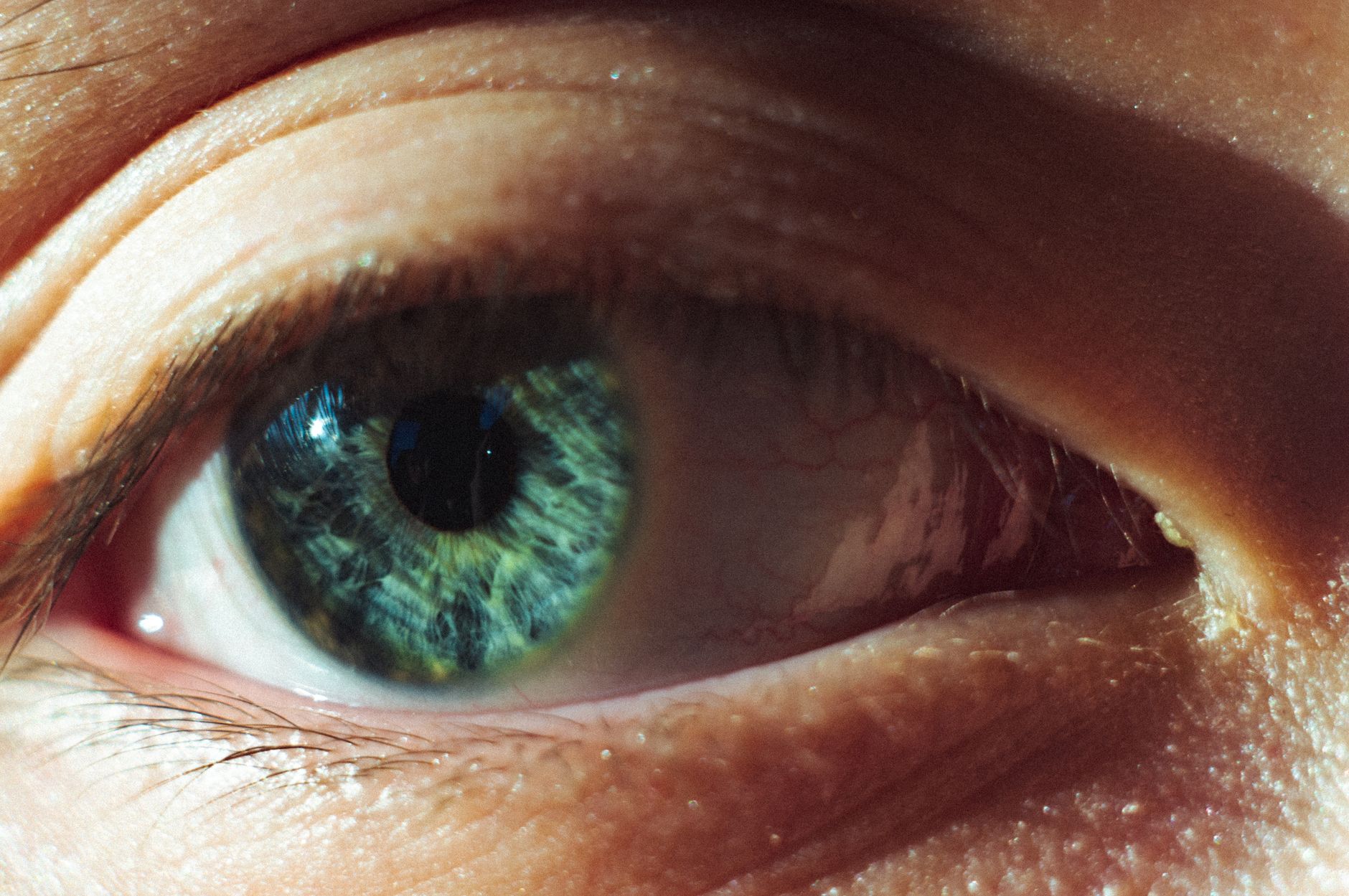
What is Blepharitis?
Blepharitis is a common condition that affects the eyelids, causing inflammation, redness, itching, and a gritty sensation as if something is in your eye. It can also lead to dandruff-like crusts forming along the base of your eyelashes. While often uncomfortable, blepharitis is usually not contagious and can typically be managed effectively with home care. In some cases, it can be a recurring issue, but consistent management can help keep symptoms under control.
Understanding the Causes of Blepharitis
The exact cause of blepharitis can vary from person to person, but it often involves a combination of factors. Common culprits include:
- Bacterial Infections: Certain bacteria, like Staphylococcus, can overgrow on the eyelids and lead to inflammation.
- Meibomian Gland Dysfunction (MGD): These are tiny glands located along the edge of your eyelids that produce the oily layer of your tears. When they become blocked or don't function properly, it can lead to dry eyes and blepharitis.
- Skin Conditions: Underlying skin issues such as rosacea (a condition causing facial redness and pimples) and dandruff (seborrheic dermatitis) can contribute to blepharitis.
- Allergic Reactions: Sensitivity to eye makeup, contact lens solutions, or other substances can trigger an inflammatory response.
- Parasites: In some cases, tiny mites called Demodex can live on the eyelashes and contribute to blepharitis.
Recognizing the Symptoms of Blepharitis
The symptoms of blepharitis can range from mild to severe and may affect one or both eyes. Common signs include:
- Red, swollen, and itchy eyelids
- A gritty or burning sensation in the eyes
- Watery eyes
- Crusty debris along the base of the eyelashes, especially upon waking
- Eyelids that appear greasy or oily
- Sensitivity to light
- Blurred vision that improves with blinking
- In severe cases, eyelash loss or changes in eyelash growth
Diagnosing Blepharitis
A diagnosis of blepharitis is typically made through a physical examination of your eyes and eyelids by a doctor or ophthalmologist. They will look for signs of inflammation, crusting, and any underlying causes. In some instances, they may use a special microscope to examine your eyelids and eyelashes more closely. If an infection is suspected, a sample of the crust or discharge might be taken for laboratory testing. Understanding the specific cause is crucial for effective treatment.
Effective Treatments for Blepharitis
The primary goal of blepharitis treatment is to manage symptoms and prevent complications. Home care is often the first line of defense:
Home Care and Hygiene
- Warm Compresses: Applying a warm compress (a clean cloth soaked in warm water) to your closed eyelids for 5-10 minutes, several times a day, can help soften crusts and loosen clogged oil glands.
- Eyelid Cleansing: After the warm compress, gently clean your eyelids. You can use a diluted baby shampoo (a few drops in a small bowl of warm water) or a commercially available eyelid cleanser. Use a clean cotton swab or pad to gently scrub along the base of your eyelashes. Rinse thoroughly with warm water.
- Eyelid Massage: For posterior blepharitis (affecting the inner eyelid), gently massaging your eyelids after cleaning can help express oils from the meibomian glands.
- Artificial Tears: Over-the-counter artificial tears can help relieve dryness, irritation, and redness associated with blepharitis.
- Dandruff Shampoo: If dandruff is a contributing factor, using a medicated dandruff shampoo on your scalp can help reduce flakes that may spread to your eyelids.
Medical Treatments
If home care doesn't provide sufficient relief or if an infection is present, your doctor may prescribe:
- Antibiotics: These can be topical (in the form of ointments or drops) or oral, depending on the severity and type of infection. A course of antibiotics may last several weeks.
- Steroids: Steroid eye drops or ointments may be prescribed to reduce inflammation. These are often used in combination with antibiotics for a short period.
- Topical Immunomodulators: For chronic or severe cases, medications like cyclosporine may be considered.
Preventing Blepharitis Recurrence
Blepharitis can be a chronic condition, meaning it may return. Consistent daily eyelid hygiene is key to preventing flare-ups:
- Continue with your daily eyelid cleansing routine, even when symptoms are absent.
- Avoid touching or rubbing your eyes, as this can spread bacteria and cause further irritation.
- Remove eye makeup before going to bed. Replace eye makeup regularly, especially mascara and eyeliner, to prevent bacterial contamination.
- Manage underlying skin conditions like rosacea or dandruff.
- Consider your diet. Foods rich in omega-3 fatty acids, such as salmon, flaxseeds, and walnuts, may support meibomian gland health.
When to Consult a Doctor
While most cases of blepharitis can be managed at home, it's important to seek medical advice if:
- Your symptoms are severe or do not improve with home treatment after a few weeks.
- You experience significant pain or vision changes.
- You suspect an infection.
- Blepharitis is affecting your daily life or causing significant discomfort.
A doctor can accurately diagnose the cause of your blepharitis and recommend the most appropriate treatment plan, which may include prescription medications.
Frequently Asked Questions (FAQ)
Q1: Is blepharitis contagious?
Generally, blepharitis is not considered contagious. However, if it's caused by a bacterial or viral infection, there's a small risk of transmission through direct contact with eye secretions.
Q2: Can blepharitis cause permanent eye damage?
If left untreated, severe or chronic blepharitis can potentially lead to complications such as styes, chalazia (lumps on the eyelid), or even damage to the cornea, which can affect vision. Prompt and consistent treatment is important to prevent these issues.
Q3: How long does it take to get rid of blepharitis?
With consistent home care, symptoms of blepharitis can often improve within a few weeks. However, for chronic cases, it may take longer, and ongoing management is usually necessary to keep the condition under control.
Q4: Can I wear contact lenses if I have blepharitis?
It's generally recommended to avoid wearing contact lenses during a blepharitis flare-up. Once your symptoms have significantly improved and your doctor gives the okay, you may be able to resume wearing them, but it's essential to maintain excellent hygiene with your lenses and solutions.
Q5: Are there any home remedies to avoid?
While many home remedies focus on cleanliness, some should be approached with caution. For instance, using undiluted vinegar or harsh chemicals near the eyes can cause significant irritation or damage. Always stick to gentle, recommended methods like diluted baby shampoo and warm compresses.