Understanding your blood sugar levels is fundamental for maintaining overall health, especially for individuals managing or at risk of developing diabetes. A blood sugar test, also known as a glucose test, is a simple yet powerful diagnostic tool. It measures the amount of glucose, a type of sugar, circulating in your bloodstream. Glucose is your body's primary energy source, derived from the carbohydrates you consume. For those living with diabetes, regular monitoring through these tests is not just a recommendation; it's a lifeline, allowing for timely adjustments to diet, exercise, and medication. Even for those without a diabetes diagnosis, these tests can be part of routine check-ups, helping to detect prediabetes or identify risk factors.
Why are blood sugar tests so important? They provide immediate insights into your body's glucose regulation. Are your levels too high (hyperglycemia), too low (hypoglycemia), or just right? This information empowers you and your doctor to make informed decisions about your health. High blood sugar, if left unchecked, can lead to serious complications like diabetic ketoacidosis (a life-threatening condition, particularly for those with Type 1 diabetes) and long-term damage to nerves (neuropathy), kidneys, and eyes. Conversely, low blood sugar, or hypoglycemia, can cause immediate dangers such as seizures or even coma if not treated promptly. Therefore, knowing your numbers is the first step towards proactive health management.
Who Needs a Blood Sugar Test?
Your doctor might order a blood sugar test in several scenarios:
- Routine Check-ups: As part of a general health screening to assess your risk for diabetes or prediabetes.
- Diabetes Diagnosis: If you exhibit symptoms suggestive of diabetes, such as increased thirst, frequent urination, unexplained weight loss, fatigue, or blurred vision.
- Diabetes Management: For individuals already diagnosed with diabetes (Type 1, Type 2, or gestational diabetes), these tests are crucial for monitoring the effectiveness of their treatment plan.
- Risk Factor Assessment: Certain factors significantly increase your risk of developing Type 2 diabetes. These include:
- High blood pressure
- High triglycerides or low HDL (good cholesterol) levels
- A history of insulin resistance
- A history of stroke or hypertension
- Being of Asian, African, Hispanic, Pacific Islander, or Native American descent
- A family history of diabetes
- Gestational diabetes during pregnancy or delivering a baby weighing over 9 pounds
If you fall into any of these categories, discussing regular blood sugar testing with your healthcare provider is a wise step.
Types of Blood Sugar Tests
Several types of blood sugar tests are available, each offering a different perspective on your glucose levels:
1. Fasting Plasma Glucose (FPG) Test
This is one of the most common tests. It requires you to fast for at least 8 hours (usually overnight) before the blood sample is taken. It measures your blood glucose level at a single point in time after a period without food intake.
2. Random Plasma Glucose (RPG) Test
Unlike the FPG test, the RPG test does not require fasting. A blood sample is taken at any time of day, regardless of when you last ate. This test is often used when a doctor suspects high blood sugar based on symptoms alone.
3. A1C Test (Glycated Hemoglobin Test)
The A1C test provides a longer-term picture of your average blood glucose levels over the past 2 to 3 months. It measures the percentage of hemoglobin (a protein in red blood cells) that is coated with sugar. This test doesn't require fasting and can be performed at any time.
4. Oral Glucose Tolerance Test (OGTT)
This test is often used to diagnose gestational diabetes. It involves several steps:
- First, a fasting blood glucose level is measured.
- You then drink a sugary liquid.
- Your blood glucose levels are tested again at specific intervals (usually 1 and 2 hours) after consuming the liquid.
This test shows how your body processes glucose over time.
5. Home Blood Glucose Monitoring (Self-Monitoring of Blood Glucose - SMBG)
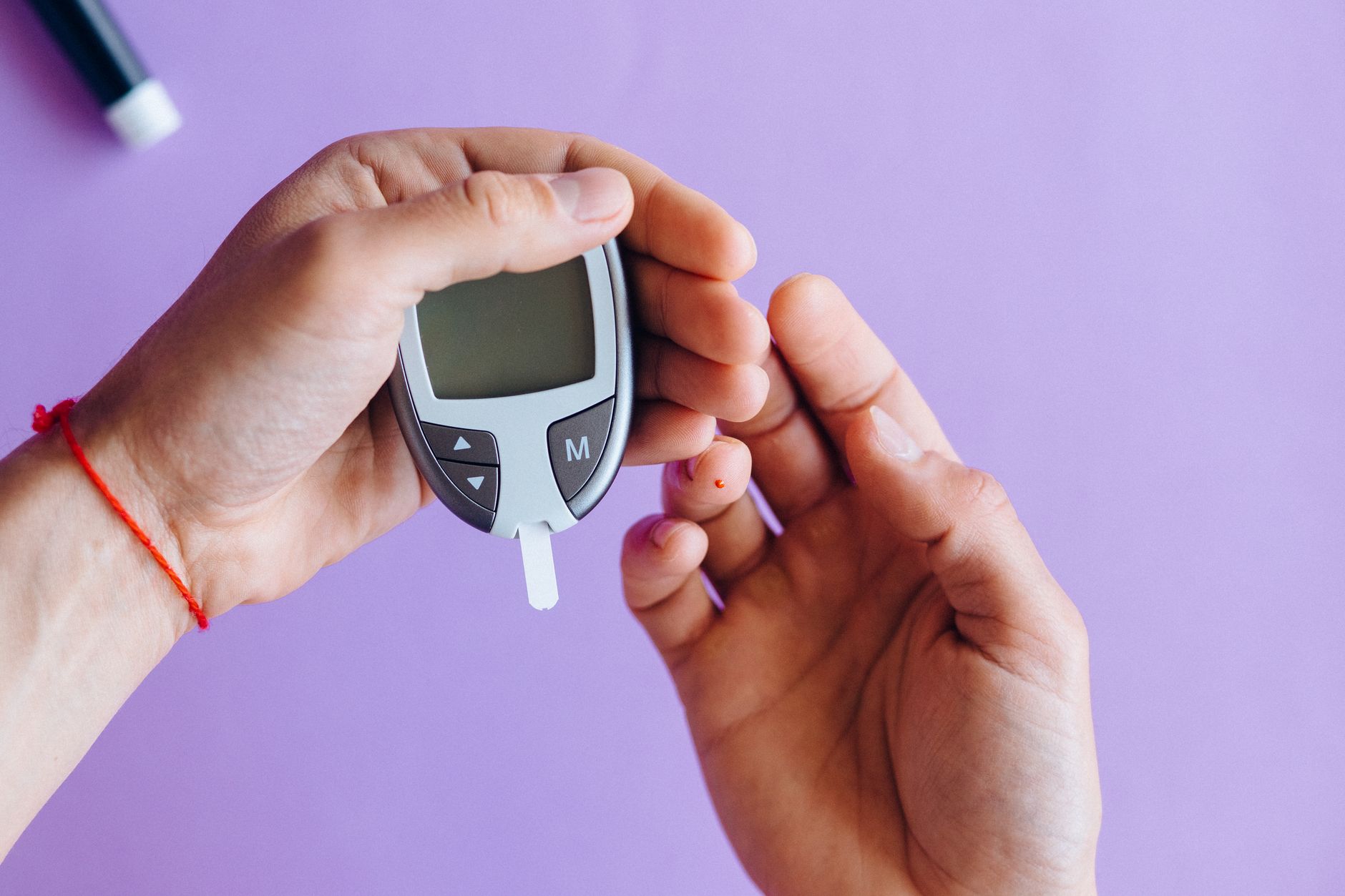
For individuals managing diabetes, home monitoring using a glucose meter is common. This involves pricking your finger with a lancet to obtain a small blood drop, which is then placed on a test strip inserted into the meter. The meter displays your current blood glucose reading within seconds. The frequency of home testing depends on the type of diabetes, treatment plan, and doctor's recommendations. For those with Type 1 diabetes on multiple daily insulin injections or an insulin pump, testing before meals, before exercise, at bedtime, and whenever symptoms of high or low blood sugar occur is often advised. However, for some individuals with Type 2 diabetes managed solely through diet and exercise, or on medications not associated with hypoglycemia, frequent home testing may not be necessary.
What Do the Results Mean?
Interpreting blood sugar test results is crucial. Here are general guidelines, though your doctor will provide the definitive interpretation based on your individual health status:
- Fasting Blood Glucose:
- Normal: Below 100 mg/dL (5.6 mmol/L)
- Prediabetes: 100 to 125 mg/dL (5.6 to 6.9 mmol/L)
- Diabetes: 126 mg/dL (7.0 mmol/L) or higher on two separate tests
- A1C Test:
- Normal: Below 5.7%
- Prediabetes: 5.7% to 6.4%
- Diabetes: 6.5% or higher
Note: These are general ranges. Specific targets may vary based on individual factors and medical advice.
When to Consult a Doctor
It's essential to consult your doctor if:
- You experience symptoms of high or low blood sugar (e.g., extreme thirst, frequent urination, dizziness, confusion, shakiness, rapid heartbeat).
- Your routine check-up reveals elevated blood sugar levels.
- You have a known risk factor for diabetes and haven't been tested recently.
- You are managing diabetes and your blood sugar levels are consistently outside your target range, or your treatment plan seems ineffective.
- You have a history of gestational diabetes.
Regular medical consultation ensures that your blood sugar management is on track and any potential complications are addressed promptly.
Prevention and Lifestyle Changes
Preventing or managing diabetes often involves lifestyle modifications. Even if you don't have diabetes, adopting these habits can improve your overall health and reduce your risk:
- Balanced Diet: Focus on whole grains, lean proteins, fruits, vegetables, and healthy fats. Limit processed foods, sugary drinks, and excessive carbohydrates.
- Regular Exercise: Aim for at least 150 minutes of moderate-intensity aerobic activity or 75 minutes of vigorous-intensity activity per week, along with muscle-strengthening activities.
- Maintain a Healthy Weight: Losing even a small amount of weight if you are overweight can significantly improve insulin sensitivity.
- Stay Hydrated: Drink plenty of water throughout the day.
- Adequate Sleep: Aim for 7-9 hours of quality sleep per night.
- Stress Management: Practice relaxation techniques like deep breathing, meditation, or yoga.
These proactive steps can make a significant difference in controlling blood sugar levels and preventing the onset of diabetes.
Frequently Asked Questions (FAQ)
Q1: Can I eat before a blood sugar test?
It depends on the type of test. For a Fasting Plasma Glucose (FPG) test, you must fast for at least 8 hours. For a Random Plasma Glucose (RPG) test or an A1C test, fasting is not required.
Q2: How often should I test my blood sugar at home?
The frequency varies greatly. Individuals with Type 1 diabetes often test multiple times a day. Those with Type 2 diabetes managed with diet and exercise might test less frequently or not at all if their doctor advises. Always follow your doctor's specific recommendations.
Q3: What are the dangers of untreated high blood sugar?
Untreated high blood sugar (hyperglycemia) can lead to serious long-term complications, including nerve damage (neuropathy), kidney disease, eye damage (retinopathy), and heart disease. In the short term, it can lead to a dangerous condition called diabetic ketoacidosis (DKA).
Q4: What are the dangers of untreated low blood sugar?
Untreated low blood sugar (hypoglycemia) can cause immediate symptoms like confusion, dizziness, shakiness, and irritability. If left untreated, it can lead to seizures, loss of consciousness, coma, and even be life-threatening.
Q5: Can stress affect my blood sugar levels?
Yes, stress can significantly impact blood sugar levels. When you experience stress, your body releases hormones like cortisol and adrenaline, which can cause your liver to release more glucose into your bloodstream, leading to higher blood sugar readings.