Earwax, medically known as cerumen, is a natural and vital substance produced in our ears. It plays a crucial role in keeping our ear canals healthy by lubricating them and acting as a barrier against dirt, dust, and harmful bacteria. Typically, healthy earwax has a yellowish hue. As it ages or accumulates, it can darken to tan, brown, or even black. However, if you notice red streaks or blood mixed with your earwax, it can be concerning. This phenomenon, known as bloody earwax, warrants attention to understand its underlying causes and appropriate management.
While many instances of bloody earwax are minor and resolve on their own, some can indicate a more serious issue requiring prompt medical evaluation. Understanding the potential reasons behind this symptom is key to ensuring your ear health and knowing when to consult a healthcare professional. This guide aims to shed light on the causes, diagnostic methods, treatment options, and preventive measures related to bloody earwax, tailored for our readers in India.
Common Causes of Bloody Earwax
The presence of blood in earwax usually signifies some form of damage or irritation within the ear canal or eardrum. Let's explore the most frequent culprits:
1. Accidental Injury to the Ear Canal
This is perhaps the most common reason for bloody earwax. Many of us have been guilty of trying to clean our ears with cotton swabs (Q-tips), fingers, or even keys, inadvertently causing scratches or minor cuts inside the delicate ear canal. Children, in their curiosity, might insert small objects like crayons, toys, or sticks into their ears, leading to injuries.
Scenario: Priya, a busy mother, noticed a small amount of blood on her son Rohan's cotton swab after he complained of an itchy ear. She had gently tried to clean it for him, and he had also recently been playing with small toy cars, one of which he might have put near his ear.
Such injuries, though often minor, can cause bleeding. It's vital to watch for signs of infection, such as increased pain, redness, swelling, or pus-like discharge, which might indicate that the scratch has become infected.
2. Ear Infections (Otitis Media)
Ear infections, particularly those affecting the middle ear (behind the eardrum), can lead to bloody discharge. The infection causes inflammation and redness of the eardrum. In more severe cases, fluid can build up behind the eardrum, increasing pressure. This pressure can sometimes cause the eardrum to rupture, leading to bleeding.
If you observe bloody wax or discharge along with symptoms like earache, fever, or muffled hearing, it could signal a significant infection that needs immediate medical attention.
3. Ruptured Eardrum
A ruptured eardrum is a tear in the thin membrane separating the ear canal from the middle ear. This can happen due to:
- Sudden, loud noises (acoustic trauma), like explosions or very loud music concerts.
- Direct injury from sharp objects inserted too deeply into the ear.
- Severe head trauma from accidents, falls, or sports injuries.
- Sudden changes in air pressure (barotrauma), often experienced during flights or scuba diving.
A ruptured eardrum will likely cause immediate pain, hearing loss, and bleeding from the ear. This is a serious condition that requires prompt medical care.
4. Cholesteatoma
Cholesteatoma is a noncancerous skin growth that can develop in the middle ear, often behind the eardrum. It typically affects only one ear and can cause symptoms like a persistent ear discharge (which may be bloody or pus-like), hearing loss, and a feeling of fullness in the ear. While benign, an untreated cholesteatoma can lead to serious infections and damage to nearby structures. Surgical removal is usually necessary.
5. Ear Cancer
Though rare, ear cancer is a serious cause of bloody earwax. It often originates from skin cancers that affect the outer ear or ear canal and can spread inward. Symptoms may include bleeding sores or lesions on or in the ear, persistent ear discharge, hearing loss, and numbness. If you suspect ear cancer, seeking immediate medical evaluation is paramount.
6. Excessive Ear Cleaning or Irritation
Beyond accidental injuries, habits like frequent and aggressive ear cleaning, swimming in contaminated water, or playing contact sports can increase the risk of minor trauma, irritation, and subsequent bleeding.
Recognizing the Signs: Symptoms Associated with Bloody Earwax
While bloody earwax is the primary symptom, other signs might accompany it depending on the underlying cause. These can include:
- Ear pain or discomfort
- Itching in the ear canal
- A feeling of fullness or pressure in the ear
- Hearing loss or muffled hearing
- Ringing in the ears (tinnitus)
- Dizziness or vertigo
- Fever (in case of infection)
- Discharge from the ear (clear, pus-like, or bloody)
Diagnosis: How Doctors Identify the Cause
If you notice blood in your earwax, it’s wise to consult a doctor, especially if the bleeding is significant or accompanied by severe pain. The diagnostic process typically involves:
- Medical History: Your doctor will ask about your symptoms, when they started, any recent injuries, and your general health.
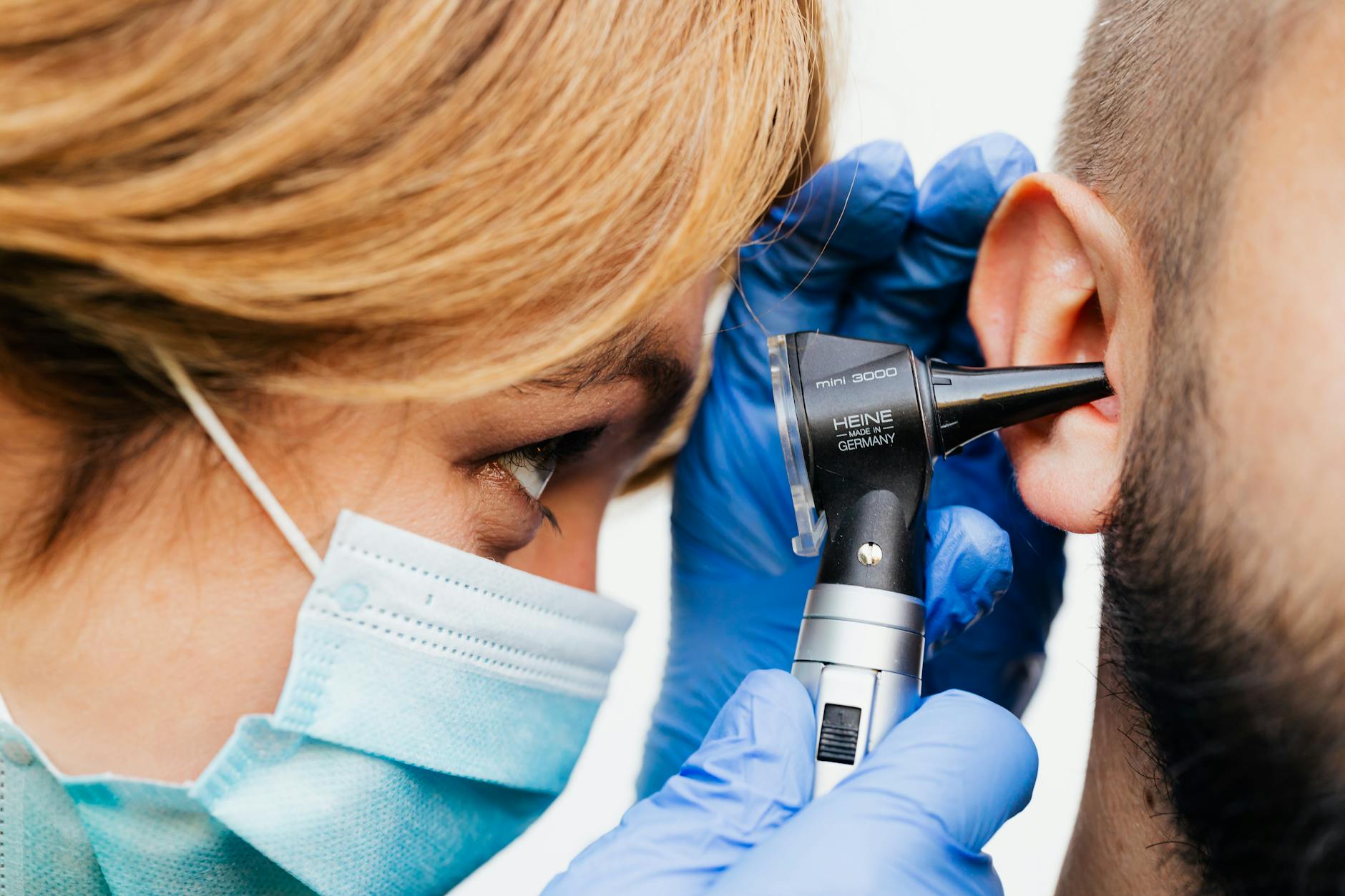
- Physical Examination: The doctor will carefully examine your ear canal and eardrum using an otoscope. This allows them to identify any scratches, infections, foreign objects, or signs of eardrum perforation.
- Further Tests: Depending on the initial findings, your doctor might order additional tests such as a hearing test (audiometry) or imaging scans (like CT or MRI) to get a clearer picture of the middle ear and surrounding structures, especially if cholesteatoma or a more severe injury is suspected.
Treatment Approaches for Bloody Earwax
The treatment for bloody earwax depends entirely on the diagnosed cause:
- Minor Scratches: Small cuts or abrasions in the ear canal usually heal on their own. Your doctor might recommend over-the-counter pain relievers and advise you to keep the ear dry.
- Ear Infections: Bacterial ear infections are typically treated with prescription antibiotic ear drops or oral antibiotics. Antifungal medications might be used for fungal infections. Pain management is also a key part of treatment.
- Ruptured Eardrum: Treatment depends on the severity. Small perforations often heal spontaneously within a few weeks to months. Doctors may prescribe antibiotic drops to prevent infection. For larger or persistent ruptures, surgical repair (tympanoplasty) might be necessary.
- Cholesteatoma: Surgical removal of the cholesteatoma is usually required to prevent complications and hearing loss.
- Ear Cancer: Treatment for ear cancer involves a combination of surgery, radiation therapy, and sometimes chemotherapy, depending on the type and stage of the cancer.
Preventing Future Episodes of Bloody Earwax
Prevention is always better than cure. Here are some tips to protect your ears:
- Avoid Inserting Objects: Never insert cotton swabs, fingers, hairpins, or any other objects into your ear canal. The ear canal is self-cleaning; earwax naturally moves outward.
- Gentle Cleaning: If you feel the need to clean your ears, use a soft cloth to wipe the outer ear only.
- Protect from Loud Noise: Use earplugs or earmuffs in noisy environments like concerts or construction sites.
- Be Cautious During Activities: When swimming or diving, take precautions against water entering the ear canal. If you fly frequently, consider using earplugs during takeoff and landing to manage pressure changes.
- Manage Allergies and Colds: Conditions that cause nasal congestion can sometimes affect the ears. Promptly treating these can help prevent ear issues.
When to Seek Immediate Medical Attention
While minor bleeding might resolve on its own, certain symptoms signal a need for urgent medical care. Consult a doctor immediately if you experience:
- Severe ear pain
- Sudden and significant hearing loss
- Dizziness or loss of balance
- Bleeding that doesn't stop or is profuse
- Signs of infection like fever, swelling, or pus-like discharge
- Any head injury associated with ear bleeding
Frequently Asked Questions (FAQs)
Q1: Can bloody earwax be a sign of something serious?
Yes, while minor scratches can cause it, bloody earwax can also indicate a ruptured eardrum, a severe infection, cholesteatoma, or even ear cancer. It's essential to get it checked by a doctor to rule out serious conditions.
Q2: How long does it take for a ruptured eardrum to heal?
Small eardrum perforations often heal on their own within a few weeks to a couple of months. Larger ones may require surgical intervention and take longer to heal.
Q3: Is it safe to use ear drops if my ear is bleeding?
Generally, avoid putting anything into an ear that is bleeding or has a suspected ruptured eardrum unless specifically instructed by your doctor. Some ear drops can be harmful in such situations.
Q4: Can stress cause bloody earwax?
Stress itself doesn't directly cause bloody earwax. However, stress can sometimes lead to behaviours like teeth grinding (bruxism) or unconsciously touching/irritating the ear, which might indirectly contribute to minor injuries. It's more likely that the cause is direct trauma or an underlying medical condition.