Understanding Brain Aneurysms and Their Treatment
A brain aneurysm, also known as a cerebral aneurysm, is a serious medical condition that occurs when a weak or bulging spot forms in the wall of an artery in the brain. These bulges can grow over time and, if they rupture, can lead to a life-threatening stroke. Prompt and appropriate treatment is crucial for managing brain aneurysms, whether they are unruptured or have ruptured. This guide will delve into the various treatment options available, diagnostic methods, and the importance of seeking medical attention.
What is a Brain Aneurysm?
An aneurysm is essentially a balloon-like swelling in a blood vessel. In the brain, these can form at points where the artery walls are thinner or weaker. While smaller aneurysms may not cause any symptoms and can go unnoticed, larger ones or those that rupture pose significant risks. The location and size of an aneurysm, along with factors like blood pressure and overall health, influence the risk of rupture.
The Risks of a Ruptured Brain Aneurysm
When a brain aneurysm ruptures, it causes bleeding into the surrounding brain tissue, a condition known as a subarachnoid hemorrhage or hemorrhagic stroke. This is a medical emergency. The consequences of a rupture can be severe:
- Immediate Danger: A ruptured aneurysm can lead to rapid brain damage, loss of consciousness, and even death.
- Rebleeding: There is a significant risk of the aneurysm bleeding again, which can be even more devastating than the initial rupture.
- Cerebral Vasospasm: Blood in the brain can irritate blood vessels, causing them to narrow and spasm, which can lead to further strokes.
- Hydrocephalus: The bleeding can block the normal flow of cerebrospinal fluid, leading to a buildup of pressure in the brain.
- Neurological Deficits: Survivors of a ruptured aneurysm often experience long-term neurological problems, such as paralysis, speech difficulties, memory loss, and cognitive impairments.
Studies indicate that the outlook for a ruptured aneurysm can be grim. Nearly half of those who experience a ruptured brain aneurysm do not survive. For those who do survive, a significant percentage may face permanent disability. For instance, research suggests that within 5 years of treatment, about 64% of survivors may live without significant disability, highlighting the critical need for timely intervention.
Diagnosing Brain Aneurysms
Diagnosing a brain aneurysm often begins with a thorough medical history and physical examination. If a doctor suspects an aneurysm, especially if symptoms like severe headaches, vision changes, or sudden neurological issues are present, several imaging tests may be ordered:
- CT Scan (Computed Tomography): This is often the first imaging test used, especially in emergency situations. A CT angiogram (CTA) can provide detailed images of the blood vessels in the brain, highlighting the aneurysm.
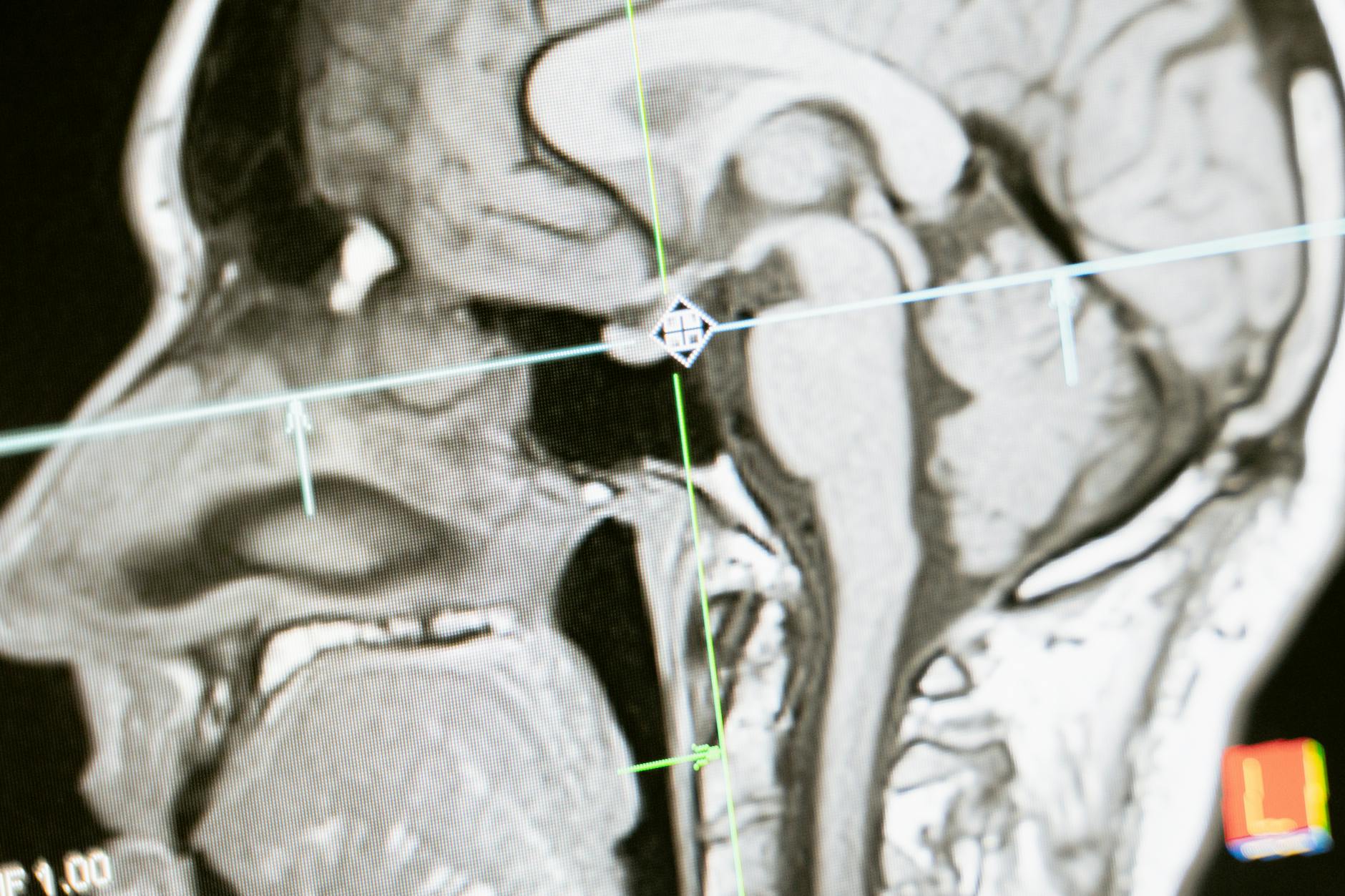
- MRI Scan (Magnetic Resonance Imaging): An MRI can provide more detailed images of the brain and blood vessels. An MR angiogram (MRA) is particularly useful for visualizing aneurysms.
- Cerebral Angiography: This is considered the gold standard for diagnosing brain aneurysms. A thin, flexible tube (catheter) is inserted into an artery, usually in the groin, and guided to the brain. A contrast dye is injected, and X-ray images are taken to precisely map the aneurysm and its surrounding blood vessels. This procedure also allows doctors to assess the risk of rupture and plan treatment.
Smaller, unruptured aneurysms may be discovered incidentally during imaging tests performed for other reasons. In such cases, the decision on whether to treat or monitor the aneurysm is based on its size, location, shape, and the patient's individual risk factors.
Treatment Options for Brain Aneurysms
The treatment approach for a brain aneurysm depends on several factors, including whether it has ruptured, its size, location, shape, and the patient's overall health and age. The primary goals of treatment are to prevent rupture or to stop bleeding if it has already occurred and to manage any complications.
1. Surgical Clipping
This is a traditional open surgical procedure where a neurosurgeon makes an incision in the scalp and uses a microscope to locate the aneurysm. A tiny metal clip is then placed at the base of the aneurysm to block blood flow into it, preventing rupture or rebleeding. This method is highly effective but is more invasive and carries a higher risk of complications compared to endovascular procedures.
2. Endovascular Embolization (Coiling)
This is a less invasive procedure that has become the preferred treatment for many brain aneurysms. A neurosurgeon or interventional radiologist inserts a thin, flexible tube (catheter) into an artery, typically in the groin. The catheter is guided through the blood vessels to the aneurysm. Once in place, tiny platinum coils are deployed into the aneurysm. These coils fill the aneurysm, promoting blood clotting and sealing off the aneurysm from the normal blood flow. In some cases, a stent may also be used in conjunction with the coils to help keep them in place or to redirect blood flow away from the aneurysm neck.
Advantages of Endovascular Embolization:
- Less invasive than open surgery
- Shorter recovery time
- Lower risk of complications for many patients
- Often the first choice for treating ruptured aneurysms
3. Flow Diverters
These are newer devices used in endovascular treatment. A flow diverter is a mesh-like tube that is placed across the neck of the aneurysm. It works by redirecting blood flow away from the aneurysm, allowing it to clot and heal over time. Flow diverters are particularly useful for larger or more complex aneurysms.
4. Monitoring (Watchful Waiting)
For small, unruptured aneurysms that have a low risk of rupture, a doctor may recommend a strategy of watchful waiting. This involves regular monitoring with imaging tests to check for any changes in the aneurysm's size or shape. This approach is typically considered when the risks of treatment outweigh the risks of the aneurysm rupturing. However, it's important to remember that even small aneurysms can rupture without warning.
5. Medication
While medication is not a primary treatment for the aneurysm itself, it plays a crucial role in managing symptoms and preventing complications. Medications may be prescribed to:
- Control blood pressure
- Prevent seizures
- Reduce pain
- Manage vasospasm
When to Treat Even a Small Aneurysm
The decision to treat an unruptured aneurysm, even a small one, is complex and individualized. Factors that may prompt treatment include:
- Size and Shape: Larger aneurysms or those with an irregular shape may have a higher risk of rupture. Studies suggest that aneurysms larger than 24 millimeters have a significantly higher chance of rupturing compared to smaller ones.
- Location: Aneurysms in certain locations within the brain may be more prone to rupture.
- Symptoms: If an unruptured aneurysm is causing symptoms by pressing on nearby nerves or brain structures (e.g., vision problems, headaches), treatment may be recommended.
- Patient Factors: A younger patient with a longer life expectancy may be more likely to benefit from treatment to prevent a future rupture.
- Risk of Rupture vs. Treatment Risk: Doctors carefully weigh the estimated risk of the aneurysm rupturing against the risks associated with the chosen treatment.
Even small aneurysms can rupture unexpectedly. Therefore, the debate continues on when to intervene, but a proactive approach is often taken when risk factors are significant.
When to Consult a Doctor
It is crucial to seek immediate medical attention if you experience any of the following symptoms, which could indicate a ruptured brain aneurysm:
- A sudden, severe headache, often described as the
Additional Medical Guidance
This section adds practical context and preventive advice to help readers make informed healthcare decisions. It is important to verify symptoms early, consult qualified doctors, and avoid self-medication for persistent health issues.
Maintaining healthy routines, following prescribed treatment plans, and attending regular checkups can improve outcomes. If symptoms worsen or red-flag signs appear, immediate medical evaluation is recommended.
Quick Checklist
Track symptoms and duration.
Follow diagnosis and treatment from a licensed practitioner.
Review medication side effects with your doctor.
Seek urgent care for severe warning signs.