Living with Chronic Obstructive Pulmonary Disease (COPD) can feel like a constant battle for breath. Everyday activities can become exhausting, and the anxiety of shortness of breath can be overwhelming. But what if there was a gentle, yet powerful, way to reclaim your breath and improve your quality of life? Enter yoga. Far from just stretching and chanting, yoga offers a profound toolkit for managing COPD symptoms, empowering you to breathe better and live more fully. This isn't about curing COPD, but about finding practical, accessible methods to make each breath count.
Understanding COPD and the Breathlessness Challenge
COPD is a progressive lung disease that makes it hard to breathe. It encompasses conditions like emphysema and chronic bronchitis. For those living with it, the airways become inflamed and narrowed, and the air sacs in the lungs can be damaged, reducing their ability to exchange oxygen and carbon dioxide efficiently. This leads to that familiar, distressing symptom: shortness of breath, often accompanied by coughing and wheezing. The fear of breathlessness can lead to anxiety and even social withdrawal, creating a vicious cycle that impacts mental and physical well-being.
How Yoga Offers a Helping Hand
Yoga, with its dual focus on physical postures (asanas) and controlled breathing techniques (pranayama), can be a game-changer for individuals with COPD. It's not about high-intensity workouts; it's about mindful movement and breath awareness. Let's explore the specific ways yoga can support you:
1. Enhanced Breathing Mechanics
Pranayama, the art of breath control in yoga, is particularly beneficial. These techniques teach you to breathe more deeply and efficiently, engaging your diaphragm – the primary muscle of respiration – more effectively. By strengthening the diaphragm and improving your breathing patterns, you can increase your lung capacity and oxygen intake. Imagine taking a deeper, more satisfying breath – yoga can help make that a reality.
2. Reduced Anxiety and Stress
The unpredictable nature of COPD can trigger significant anxiety. Yoga's emphasis on mindfulness and controlled breathing has a calming effect on the nervous system. By focusing on your breath and the present moment, you can interrupt the anxiety cycle, reducing feelings of panic and promoting a sense of peace. This mental calm can, in turn, make it easier to manage the physical symptoms of breathlessness.
3. Improved Muscle Strength and Flexibility
While COPD primarily affects the lungs, maintaining overall physical strength is vital. Gentle yoga poses (asanas) can help strengthen the muscles used in breathing, as well as other core and limb muscles. Improved flexibility can also make everyday movements easier and less taxing, reducing the effort required for tasks like dressing or reaching for an object. This can significantly boost your independence and confidence.
4. Increased Energy Levels
It might seem counterintuitive, but gentle physical activity like yoga can actually increase your energy levels. By improving oxygen circulation and reducing the physical and mental strain associated with breathlessness, you may find yourself feeling less fatigued and more able to engage in daily life.
Key Yoga Practices for COPD Management
Not all yoga is suitable for everyone, especially when managing a condition like COPD. The focus should always be on gentle, restorative practices. Here are some key areas and practices to consider:
Pranayama Techniques (Breathing Exercises)
- Diaphragmatic Breathing (Belly Breathing): This is foundational. Lie down or sit comfortably. Place one hand on your belly and the other on your chest. Inhale slowly through your nose, allowing your belly to rise. Exhale slowly through your mouth, feeling your belly fall. Aim to keep your chest relatively still.
- Pursed-Lip Breathing: This technique helps to slow down exhalation, keeping airways open longer and clearing stale air from the lungs. Inhale through your nose, then exhale slowly through pursed lips, as if blowing out a candle.
- Alternate Nostril Breathing (Nadi Shodhana): While potentially more advanced, this can be very calming. Sit comfortably. Close your right nostril with your right thumb and inhale through your left nostril. Close your left nostril with your ring finger and exhale through your right nostril. Inhale through your right nostril, then close your right nostril and exhale through your left. This completes one round.
Gentle Asanas (Poses)
Always listen to your body and modify poses as needed. Avoid any pose that causes significant breathlessness or discomfort.
- Mountain Pose (Tadasana): Stand tall, feet hip-width apart. Feel grounded. This pose encourages good posture, which can aid breathing.
- Seated Cat-Cow Pose (Upavistha Marjaryasana-Bitilasana): Sit on a chair or cushion. Place your hands on your knees. Inhale, arch your back, lift your chest and gaze upwards (Cow). Exhale, round your spine, tuck your chin to your chest (Cat). Coordinate movement with breath.
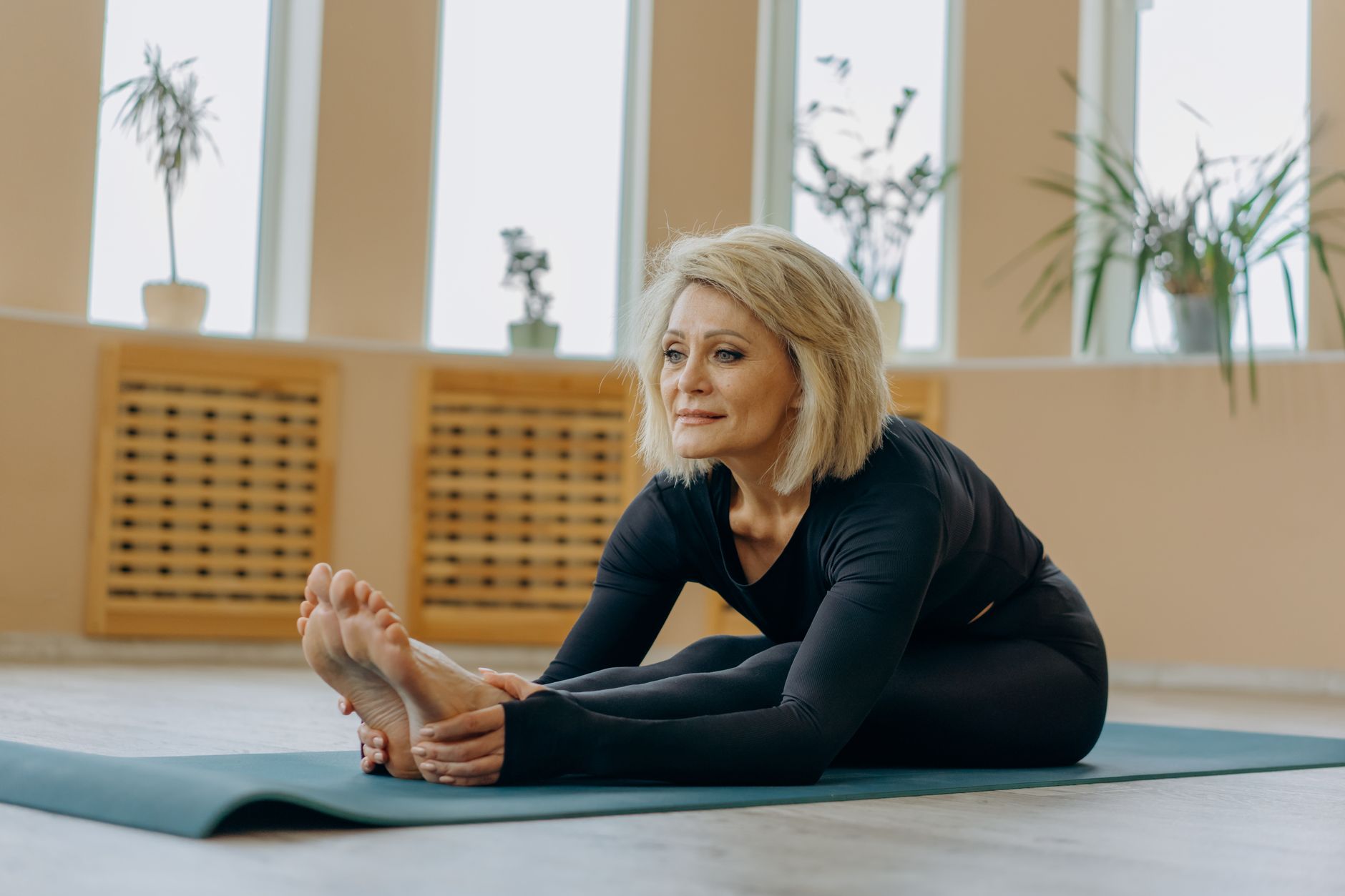
- Gentle Seated Forward Bend (Paschimottanasana variation): Sit with legs extended or bent. Hinge from your hips, keeping your back relatively straight, reaching your hands towards your feet. Don't force it; focus on a gentle stretch.
- Legs-Up-The-Wall Pose (Viparita Karani): Lie on your back and extend your legs up a wall. This is a restorative pose that can help calm the nervous system.
- Corpse Pose (Savasana): Lie comfortably on your back, allowing your body to relax completely. This is essential for integrating the benefits of the practice.
Getting Started Safely
Embarking on a yoga journey with COPD requires a thoughtful approach. Safety and personalization are paramount.
When to Consult Your Doctor
Before starting any new exercise program, including yoga, it is absolutely essential to talk to your doctor. They can assess your current health status, advise on any specific limitations, and help you understand what level of physical activity is appropriate for you. Discuss your intentions with your pulmonologist or primary care physician.
Finding the Right Instructor
Look for a yoga instructor who has experience working with individuals with chronic health conditions, particularly respiratory issues. A qualified instructor can offer modifications, ensure you are practicing safely, and understand the nuances of breathing with COPD. Certifications in therapeutic yoga or specialized training for chronic conditions are a good sign.
Listen to Your Body
This cannot be stressed enough. Your body will tell you what it needs. If you feel dizzy, lightheaded, or experience increased shortness of breath, stop immediately. Rest. Do not push yourself beyond your limits. Yoga is about balance, not strain.
Start Slow and Be Consistent
Begin with short sessions, perhaps 10-15 minutes a day, focusing on a few simple pranayama techniques and gentle poses. Consistency is more important than intensity. Gradually increase the duration and complexity as you feel more comfortable and stronger.
FAQs About Yoga and COPD
Can yoga really help with COPD symptoms?
Yes, research and anecdotal evidence suggest that yoga, particularly its breathing exercises (pranayama) and gentle postures (asanas), can help manage COPD symptoms by improving breathing efficiency, reducing anxiety, and enhancing physical strength and flexibility.
Is yoga safe for someone with severe COPD?
For individuals with severe COPD, it's crucial to consult with both your doctor and a qualified yoga therapist. Modifications will be essential, and the focus will be on extremely gentle movements and breathwork. The goal is to support, not strain.
What are the most important yoga practices for COPD?
Diaphragmatic breathing, pursed-lip breathing, and gentle seated poses that promote good posture and controlled movement are key. The emphasis is always on mindful, controlled breathing and avoiding exertion.
How often should I practice yoga for COPD?
Consistency is key. Aim for short, regular sessions daily or several times a week. Even 15-20 minutes of focused breathing and gentle movement can make a difference.
Embrace a Breath of Fresh Air
Living with COPD presents challenges, but it doesn't mean you have to resign yourself to constant breathlessness and anxiety. Yoga offers a holistic approach, integrating mind and body to help you regain control over your breath and improve your overall well-being. By working with your healthcare provider, finding the right guidance, and listening to your body, you can unlock the transformative power of yoga and breathe a little easier, one mindful breath at a time. It's a journey, and every step, every breath, is progress.