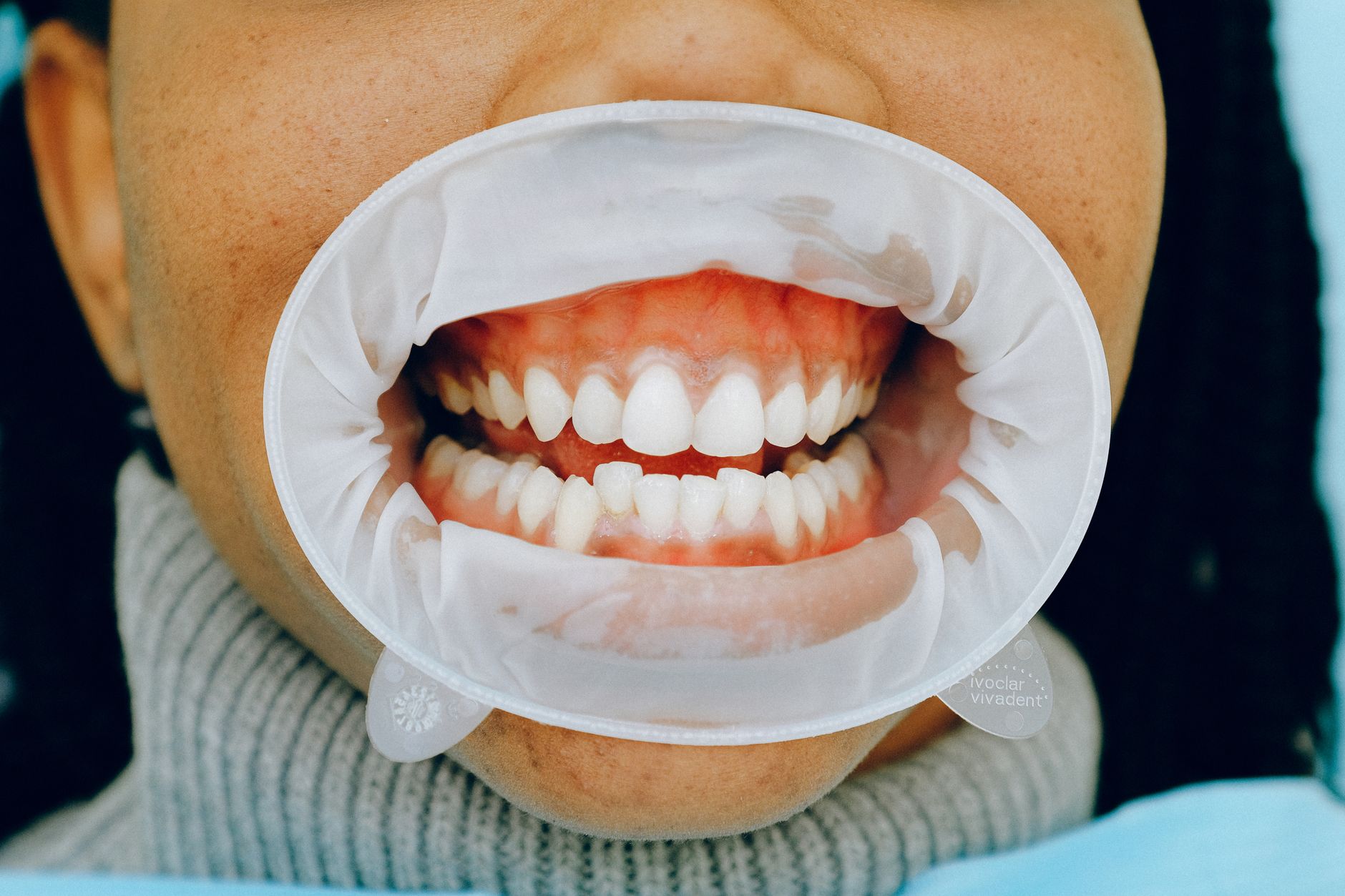
Ever noticed a brownish or tan line along your gumline that seems to be part of your teeth? It might not be what you think. This hardened deposit is known as a calculus bridge, and it's essentially calcified dental plaque. While it sounds concerning, understanding what it is, how it forms, and how to prevent it can help you maintain a healthy smile. This article aims to provide a clear, practical guide for Indian readers on managing calculus bridges.
What Exactly is a Calculus Bridge?
Imagine a sticky, colorless film that coats your teeth after you eat, especially sugary or starchy foods. That's plaque. It's a common occurrence, and it’s formed by a mix of food residue and bacteria naturally present in your mouth. These bacteria release acids that break down food particles, creating this film.
The real issue arises when plaque isn't removed promptly. If you don't brush and floss regularly, this soft plaque can harden into tartar, also known as dental calculus. This process can happen surprisingly quickly, often within 1 to 14 days, though individual rates can vary. A calculus bridge forms when this hardened tartar covers multiple teeth, creating a solid layer, typically along the gumline.
How Plaque Transforms into a Calculus Bridge
The journey from a simple food residue to a hardened calculus bridge involves a few key steps:
- Plaque Formation: After consuming food, especially those high in carbohydrates, a sticky film called plaque begins to form on your teeth within hours. Bacteria in your mouth feed on the sugars and starches in this film, producing acids.
- Plaque Hardening: If plaque is not removed by brushing and flossing, it starts to mineralize. Saliva contains minerals like calcium and phosphate, which contribute to this hardening process.
- Tartar (Calculus) Development: Over time, plaque transforms into a harder, more stubborn substance called tartar or calculus. This substance is much more difficult to remove than plaque.
- Bridge Formation: When tartar accumulates and spreads across several teeth, particularly at the gumline, it forms what is referred to as a calculus bridge. This bridge can extend down towards the gumline or even further up the tooth's surface in severe cases.
Recognizing the Signs of a Calculus Bridge
A calculus bridge isn't just an aesthetic concern; it can lead to several oral health problems. Here's what to look out for:
- Visible Deposits: The most obvious sign is a noticeable border of tan or brown hardened material along your gumline, connecting multiple teeth.
- Bad Breath (Halitosis): Calculus provides a rough surface where bacteria can thrive, leading to persistent bad breath that brushing alone can't fix.
- Gum Inflammation and Bleeding: The presence of tartar irritates the gums, causing them to become red, swollen, and prone to bleeding, especially when you brush or floss. This is an early sign of gum disease (gingivitis).
- Gum Recession: If left untreated, the inflammation can progress to periodontitis, a more severe form of gum disease where the gums pull away from the teeth, exposing the tooth roots.
- Tooth Decay (Cavities): The rough surface of tartar shields bacteria from your toothbrush, and the acids they produce can erode tooth enamel, creating cavities.
- Tooth Loss: In advanced stages, untreated gum disease caused by calculus buildup can lead to the destruction of the bone supporting your teeth, ultimately resulting in tooth loss.
Why Prevention is Key: Stopping Calculus Before It Starts
The good news is that calculus bridges are largely preventable. Consistent and proper oral hygiene is your best defense.
Effective Brushing Techniques
Brush your teeth thoroughly at least twice a day for a full two minutes each time. Use a toothpaste that contains fluoride, as it strengthens tooth enamel and helps fight decay. Make sure your toothbrush reaches all surfaces of your teeth, including the gumline.
Scenario: Priya, a busy working mother in Mumbai, often rushes her morning routine. She brushes quickly, sometimes missing the back teeth and the gumline. Over time, she noticed a brownish tinge near her gums and her gums started bleeding when she brushed. Her dentist explained that plaque had hardened into tartar due to inconsistent cleaning.
The Importance of Flossing
Brushing alone cannot remove plaque from between your teeth and under the gumline. This is where flossing becomes essential. Floss at least once a day to dislodge food particles and plaque from these hard-to-reach areas.
Consider Tartar-Control Toothpaste
Some research suggests that using tartar-control toothpastes can help prevent the buildup of tartar. These toothpastes often contain ingredients like pyrophosphates or triclosan that inhibit the hardening of plaque. While they can aid in prevention, they don't remove existing tartar.
Watch Your Diet
Limiting sugary and starchy foods and drinks can significantly reduce plaque formation. If you do consume them, try to rinse your mouth with water afterward or brush your teeth as soon as possible.
When Professional Cleaning is Necessary
Once plaque hardens into tartar and forms a calculus bridge, it cannot be removed by brushing or flossing at home. You absolutely need a professional dental cleaning. Dentists and dental hygienists have specialized tools called scalers to meticulously remove tartar above and below the gumline.
Regular dental check-ups are vital. Aim for a visit every six months, or as recommended by your dentist. During these visits, your dentist can:
- Detect early signs of plaque and tartar buildup.
- Perform a thorough professional cleaning (scaling and polishing).
- Assess the health of your gums and teeth.
- Provide personalized advice on your oral hygiene routine.
Frequently Asked Questions (FAQ)
Can a calculus bridge be reversed?
A calculus bridge, once formed, cannot be reversed with home care. It requires professional removal by a dentist or dental hygienist.
Is calculus harmful?
Yes, calculus is harmful because it harbors bacteria that cause gum disease, bad breath, and tooth decay. It can also lead to more serious conditions like periodontitis and tooth loss if left untreated.
How often should I see a dentist for cleaning?
Generally, a dental check-up and cleaning every six months are recommended. However, your dentist might suggest more frequent visits if you are prone to tartar buildup or have existing gum issues.
Does drinking water help prevent calculus?
Drinking water after meals can help rinse away food particles and some bacteria, reducing the amount of plaque that forms. It's a good supplementary habit to brushing and flossing.
The Takeaway: Prioritize Your Oral Health
A calculus bridge is a clear signal that your oral hygiene needs attention. By understanding its formation and diligently following preventive measures like regular brushing, flossing, and professional dental care, you can protect your smile from the damaging effects of hardened plaque. Don't wait for problems to arise; make consistent oral care a priority for long-term dental health.