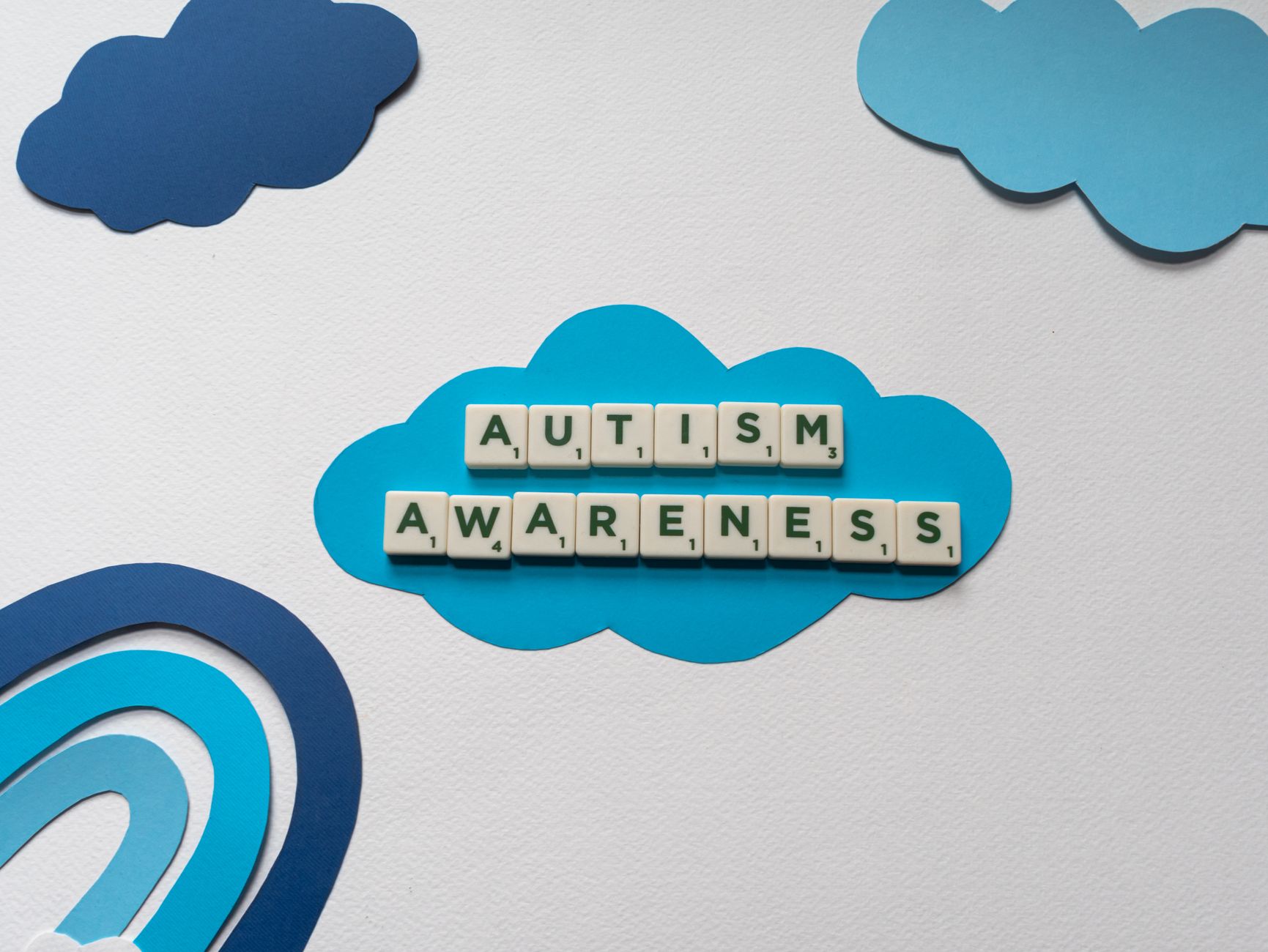
Understanding the Complex Link Between Brain Injuries and Autism Autism Spectrum Disorder (ASD) is a complex developmental condition that affects how a person interacts with others, communicates, and experiences the world. It's characterized by a wide range of symptoms, often referred to as a spectrum, meaning it can manifest differently in each individual. While the exact causes of autism remain a subject of ongoing research, it's important to address common questions and misconceptions, such as whether a brain injury can lead to autism. This article delves into the current understanding of this complex relationship, exploring overlapping symptoms, potential shared biological mechanisms, and the factors that contribute to ASD. What is Autism Spectrum Disorder (ASD)? ASD is a group of neurodevelopmental conditions that impact a person's social interaction, communication skills, and behavior. Symptoms typically emerge in early childhood and can include restricted or repetitive patterns of behavior, interests, or activities. The brain's development and functioning are central to ASD, with research indicating differences in brain structure and nerve signal processing among individuals with the condition. These differences can influence how autistic individuals perceive and interact with their environment. Can a Brain Injury Cause Autism? The Current Scientific View Based on current scientific understanding and available research, there is no proven evidence that a brain injury can directly cause autism. The scientific community has not established a cause-and-effect relationship between the two. However, the relationship between brain injuries and autism is intricate, and it's not uncommon for their symptoms to overlap significantly. This overlap can sometimes lead to confusion or a delayed diagnosis, particularly in young children. Overlapping Symptoms: Where Brain Injuries and Autism Seem Similar Both brain injuries and autism can present with a range of symptoms that affect behavior, communication, and cognitive function. Some of these shared symptoms can include: Difficulties with social interaction and communication. Challenges in understanding social cues or engaging in reciprocal conversations. Repetitive behaviors or movements. Sensory sensitivities (e.g., to light, sound, or touch). Difficulties with emotional regulation. Changes in cognitive abilities or processing. It's crucial to understand that the presence of these symptoms does not automatically mean a brain injury has caused autism, or vice versa. These symptoms can arise from various underlying causes. The Impact of Brain Injury Timing and Severity The age at which a brain injury occurs can play a role in how its effects manifest, and in some cases, it might influence the presentation of autism-like symptoms. For instance, a brain injury sustained in infancy or early childhood might affect developmental trajectories in ways that resemble aspects of ASD. However, it's essential to reiterate that experiencing a brain injury does not guarantee the development of autism , and individuals with autism may have no history of brain injury. Furthermore, the effects of a brain injury can vary widely depending on the type, location, and severity of the injury. In some instances, the effects of a brain injury might mask or complicate the diagnosis of underlying autism, especially in very young children who are still developing their communication and social skills. Shared Biological Mechanisms? Emerging research suggests that pediatric brain injuries and autism may share some underlying biological mechanisms that contribute to their respective symptoms. These mechanisms could involve disruptions in brain development, connectivity, or neurotransmitter systems. Further research is needed to fully understand these potential connections and their implications for diagnosis and intervention. The Role of Trauma, Stress, and Comorbidities While not a direct cause, childhood trauma and stress can be connected to both brain injury recovery and the experience of individuals with autism. Experiencing stressful life events or trauma, especially at a young age, can be a significant risk factor for developing mental health issues such as depression, anxiety, and Post-Traumatic Stress Disorder (PTSD). These mental health conditions are common comorbidities in individuals with autism and can sometimes exacerbate autism-related symptoms. It's not uncommon for a child with ASD to have also experienced a stressful life event. This can lead to more pronounced or challenging autism symptoms, making it crucial to address both the neurodevelopmental aspects of autism and any co-occurring mental health or trauma-related issues. What Causes Autism? Exploring the Contributing Factors The exact cause of autism is still unknown, reflecting the disorder's complexity and the diverse ways it can manifest. It is widely believed that autism likely results from a combination of genetic and environmental factors. Researchers have identified several factors that may increase a child's likelihood of developing ASD: Genetic Factors: Specific gene mutations and common genetic variations have been observed in individuals with autism. Genetics plays a significant role in brain development and function. Family History: Having a sibling with ASD or other genetic conditions can increase the risk. Environmental Factors: Exposure to certain environmental influences during pregnancy, such as specific chemical agents or air pollutants, might play a role. Birth Complications: Factors during birth, such as low birth weight, premature birth, or neonatal jaundice, have been associated with an increased risk of ASD. These factors are thought to influence the complex development of the brain, leading to the characteristics associated with autism. Autism's Impact on the Brain Autism can lead to various physical and emotional changes in the brain. It may affect specific brain regions responsible for emotions, social functioning, and sensory processing. These neurological differences contribute to the unique ways autistic individuals experience the world and interact with others. Understanding Neurodiversity It's important to
In summary, timely diagnosis, evidence-based treatment, and prevention-focused care improve long-term health outcomes.