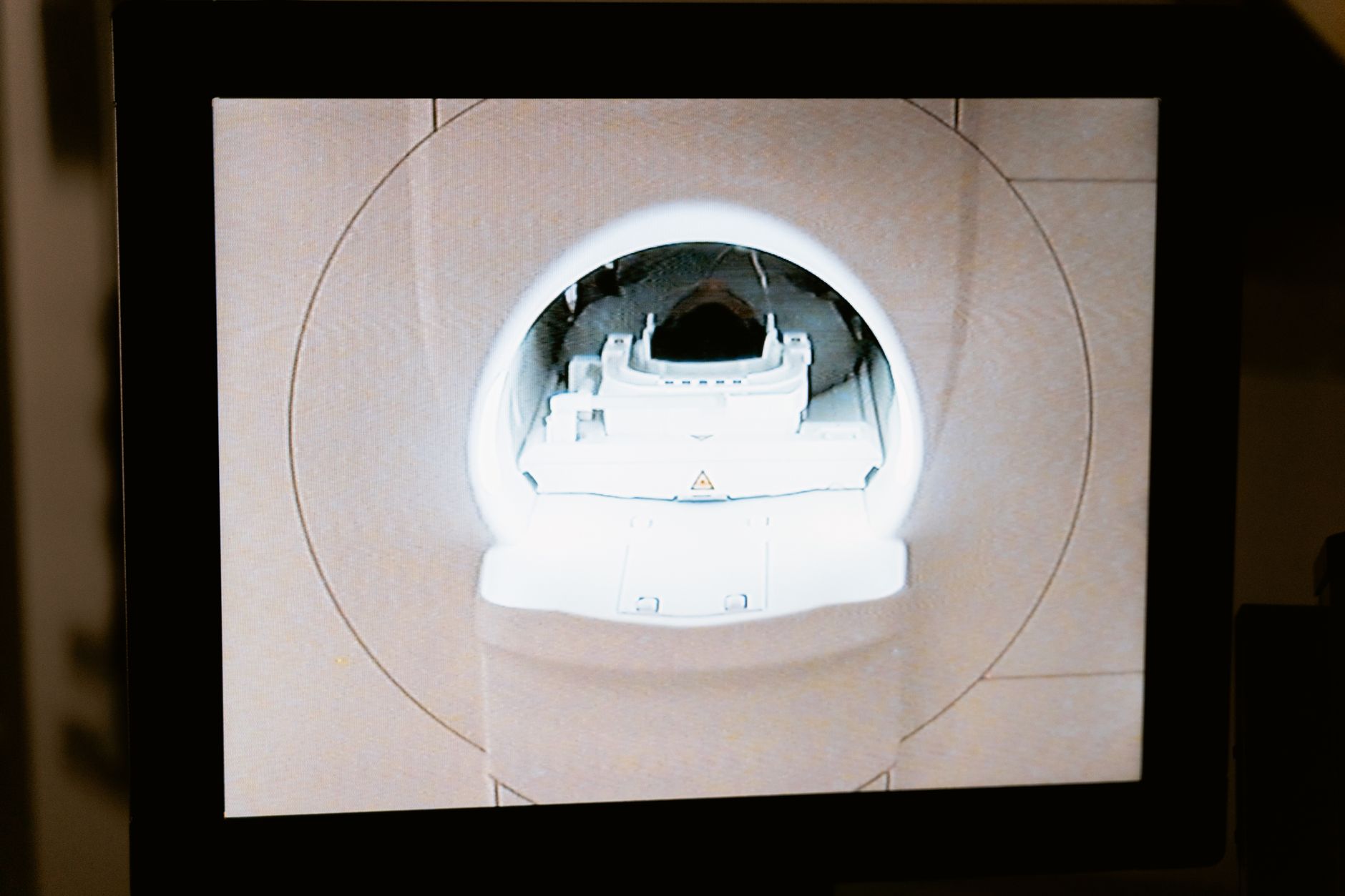
Understanding Brain Aneurysms and How MRIs Help in Detection Brain aneurysms are a serious medical condition that can affect anyone, though they are often silent and difficult to detect. These are essentially bulges or weak spots in the wall of a brain artery that can fill with blood. While some brain aneurysms may resolve on their own without causing any symptoms, others can rupture, leading to a life-threatening condition called a subarachnoid hemorrhage. The exact number of people affected by brain aneurysms is not precisely known, as many go undiagnosed. However, estimates suggest that they could affect anywhere from 1 in every 20 to 1 in every 100 individuals. The consequences of a ruptured aneurysm can be severe, with about 25% of individuals dying within 24 hours and 50% succumbing within three months. This highlights the critical importance of early detection and timely medical intervention. The Role of MRI in Detecting Brain Aneurysms Medical imaging plays a crucial role in identifying brain aneurysms. Among the various diagnostic tools available, Magnetic Resonance Imaging (MRI) stands out as a powerful and painless method for visualizing the brain and its blood vessels. An MRI uses strong magnetic fields and radio waves to create highly detailed, cross-sectional images of the brain. These images allow doctors to precisely determine the size, shape, and exact location of any potential aneurysms. In many cases, a contrast agent is injected into the patient's veins during the MRI procedure. This contrast dye travels through the bloodstream to the arteries in the brain, making the blood vessels, including any aneurysms, appear more clearly on the scan. This enhanced visualization is vital for accurate diagnosis. It's important to note that an MRI, with or without contrast, can be instrumental in helping healthcare professionals identify a brain aneurysm. Symptoms of Brain Aneurysms Many brain aneurysms, especially smaller ones, do not cause any noticeable symptoms. They might be discovered incidentally during imaging tests for other conditions. However, when an aneurysm does cause symptoms, it's often because it has grown large enough to press on surrounding brain tissues and nerves, or because it has ruptured. Symptoms of an Unruptured Aneurysm May Include: Sudden, severe headache Changes in vision, such as double vision or loss of vision Drooping eyelid Numbness or weakness on one side of the face Difficulty speaking Short-term memory and concentration difficulties Symptoms of a Ruptured Aneurysm (Subarachnoid Hemorrhage) are often sudden and severe and can include: A sudden, extremely severe headache, often described as the "worst headache of my life" Sudden loss of consciousness Seizures Stiff neck Nausea and vomiting Sudden drop in blood pressure Sensitivity to light (photophobia) These symptoms, particularly those associated with a ruptured aneurysm, are medical emergencies and require immediate attention. Can an MRI Miss a Brain Aneurysm? While MRIs are highly accurate diagnostic tools, they are not infallible. In some instances, an MRI might miss a brain aneurysm, particularly if the aneurysm is very small. The sensitivity of the MRI can also be influenced by factors such as the angle of the scan and the specific type of MRI sequence used. Therefore, if there is a high suspicion of a brain aneurysm and an initial MRI is inconclusive, doctors may recommend further investigations or repeat the MRI. MRI vs. CT Scan for Brain Aneurysm Detection Both MRI and Computed Tomography (CT) scans can be used to detect brain aneurysms. However, they are often used for different purposes. MRIs are frequently the preferred choice for detecting unruptured aneurysms due to their superior ability to visualize the detailed structure of blood vessels. On the other hand, CT scans, especially when combined with a contrast agent, are often used to quickly identify signs of bleeding or a ruptured aneurysm. The choice between an MRI and a CT scan depends on several factors, including the clinical suspicion, the urgency of the situation, and patient-specific considerations such as allergies to contrast agents or the presence of metallic implants in the body, which could make an MRI unsafe. Treatment Options After Diagnosis Once a brain aneurysm is diagnosed, the treatment approach depends on its size, location, whether it has ruptured, and the patient's overall health and risk factors. Some smaller aneurysms may not require immediate treatment and can be managed with regular monitoring to ensure they do not grow larger or pose a risk. For larger aneurysms or those in individuals with a higher risk of rupture, several treatment options are available: Surgical and Endovascular Treatments: Microvascular Clipping: This is an open surgical procedure where a neurosurgeon places a tiny metal clip across the neck of the aneurysm to cut off blood flow to it. Platinum Coil Embolization: This is a less invasive endovascular procedure. A catheter is guided through the blood vessels to the aneurysm, and then tiny platinum coils are deployed into the aneurysm sac. These coils promote blood clotting within the aneurysm, effectively sealing it off. Stents: In some cases, a stent, which is a flexible mesh tube, may be used. Stents can be placed in the artery to divert blood flow away from the aneurysm, allowing it to shrink or preventing it from growing. Medications and Therapies: In addition to these procedures, individuals with brain aneurysms may also be prescribed medications to manage symptoms, reduce the risk of complications like stroke or seizures, and control blood pressure. Following treatment, rehabilitation may be necessary, which could include physical therapy,
In summary, timely diagnosis, evidence-based treatment, and prevention-focused care improve long-term health outcomes.