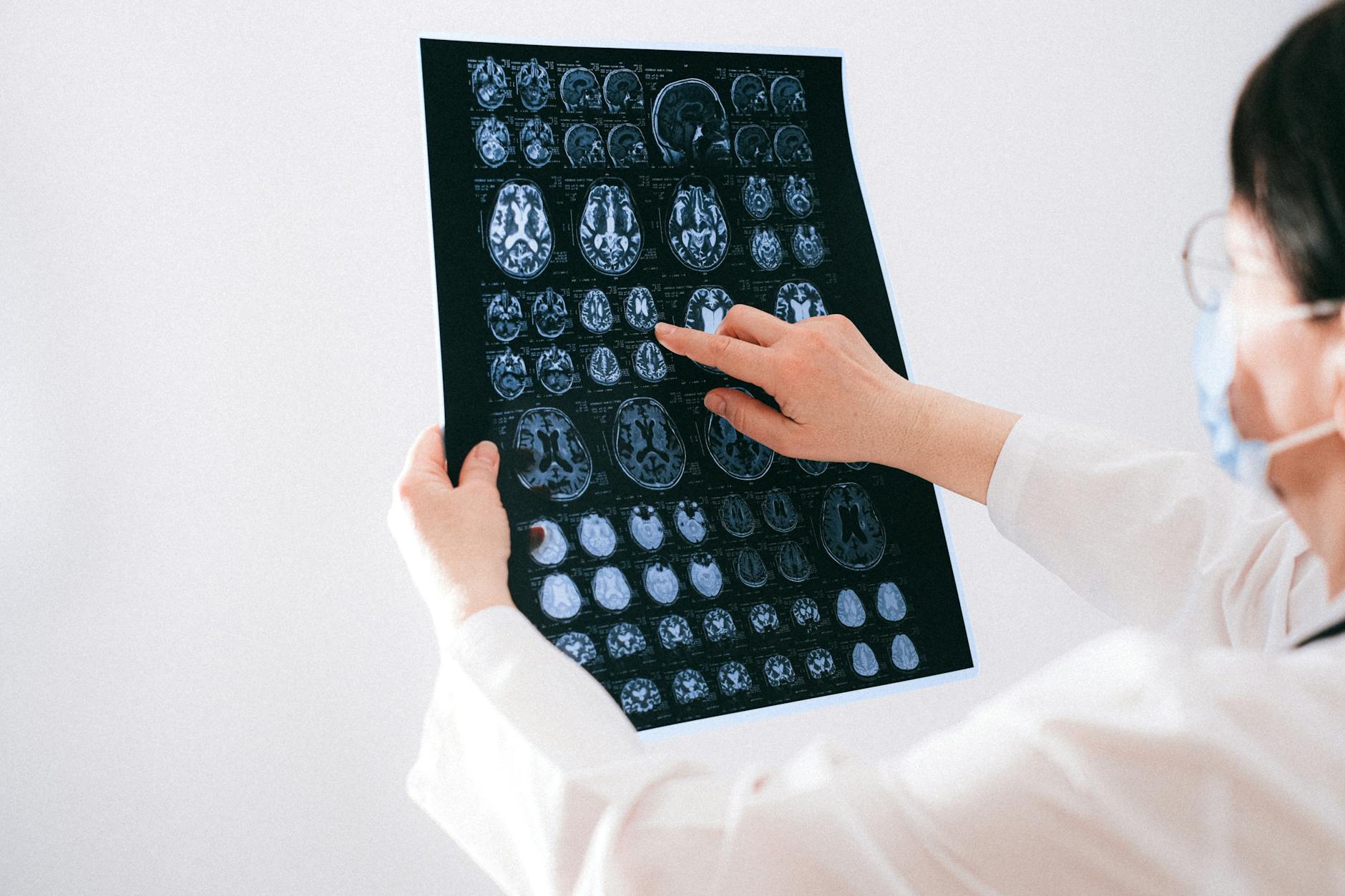
Understanding Brain Scans for Dementia and Alzheimer's Disease Dementia is a broad term encompassing a range of symptoms that affect a person's ability to remember, think, solve problems, and communicate. It can also lead to significant changes in mood and personality. Alzheimer's disease is the most common cause of dementia, affecting millions worldwide. While symptoms can be distressing, advancements in medical technology offer ways to detect and understand these conditions better. Brain scans, such as MRI, CT, and PET scans, play a crucial role in this diagnostic process, providing visual insights into the brain's structure and function. What is Dementia? Before delving into brain scans, it's essential to understand dementia. It's not a single disease but rather a syndrome characterized by a decline in cognitive function severe enough to interfere with daily life. Besides Alzheimer's, other common types include vascular dementia, often caused by strokes, and Lewy body dementia, which can be associated with Parkinson's disease. Each type may present with unique patterns of brain changes. How Do Brain Scans Help Detect Dementia? Brain imaging techniques allow doctors to visualize the brain and identify physical changes associated with dementia. These changes can include: Brain Atrophy (Shrinking): Many forms of dementia cause parts of the brain to shrink. The pattern of atrophy can sometimes suggest the specific type of dementia. For instance, frontotemporal dementia often shows shrinking in the frontal and temporal lobes, while Alzheimer's disease may show shrinkage in the hippocampus, a region critical for memory. Vascular Changes: In vascular dementia, caused by reduced blood flow to the brain, scans like MRI or CT can reveal evidence of strokes or other vascular damage. Functional Changes: PET scans can detect changes in how the brain is functioning, such as reduced activity or abnormal protein deposits, which can be indicative of dementia, sometimes even before significant structural changes are apparent. Types of Brain Scans Used for Dementia Diagnosis 1. MRI (Magnetic Resonance Imaging) Scans MRI scans use powerful magnets and radio waves to create detailed, cross-sectional images of the brain. They are excellent for visualizing brain structures and detecting subtle changes like atrophy, tumors, or evidence of strokes. Pros: Provides highly detailed images, does not involve radiation. Cons: Takes longer (30-60 minutes), can be noisy and claustrophobic, not suitable for individuals with certain metal implants (like pacemakers). 2. CT (Computed Tomography) Scans CT scans use X-rays to create detailed images of the brain. They are quicker than MRIs and are often used to rule out other conditions like tumors or bleeding that could be causing cognitive symptoms. Pros: Faster than MRI (often just a few minutes), more accessible, less expensive than MRI, suitable for most patients including those with some metal implants. Cons: Involves exposure to a small amount of radiation, images are less detailed than MRI, may not detect very early or subtle changes. 3. PET (Positron Emission Tomography) Scans PET scans assess brain function rather than just structure. A small amount of radioactive tracer is injected into the bloodstream, which travels to the brain and highlights areas of activity or specific protein buildup (like amyloid plaques associated with Alzheimer's). Pros: Can detect changes in brain function and metabolism, useful for identifying early-stage dementia or differentiating between types of dementia. Cons: Involves radiation, can be more expensive, requires specialized equipment. MRI vs. CT Scan for Dementia: Which is Better? The choice between an MRI and a CT scan depends on the clinical situation: Detail: MRI offers more detailed images, making it better for detecting subtle structural changes, especially in early dementia or after minor strokes. Speed and Stability: CT scans are faster and may be preferred for patients who have difficulty staying still or are medically unstable. Radiation: CT scans use X-rays, while MRIs do not. Cost: CT scans are generally less expensive than MRIs. Contraindications: MRI has more restrictions due to its strong magnetic field. Often, doctors may use both types of scans or other tests as part of a comprehensive diagnostic approach. The Role of Brain Scans in Diagnosis It's crucial to understand that brain scans alone are typically not sufficient to diagnose dementia. They are valuable tools used in conjunction with other diagnostic methods, including: Medical History and Physical Examination: A thorough review of symptoms, family history, and overall health. Cognitive and Neuropsychological Tests: Assessments of memory, thinking, and language skills. Blood Tests: To rule out other conditions that can mimic dementia symptoms, such as thyroid problems or vitamin deficiencies. Brain scans help doctors confirm suspected diagnoses, rule out other potential causes of cognitive decline, and sometimes identify the specific type of dementia by observing characteristic patterns of brain changes. When to Consult a Doctor If you or a loved one experiences persistent memory problems, difficulty with thinking or decision-making, changes in personality, or trouble with language, it's important to seek medical advice. Early diagnosis is key to managing dementia effectively, accessing available treatments, and planning for the future. Don't hesitate to consult your doctor if you have concerns about cognitive changes. Prevention and Lifestyle Factors While not all causes of dementia are preventable, certain lifestyle choices may help reduce the risk or slow the progression of cognitive decline. These include: Maintaining a healthy diet rich in fruits, vegetables, and whole grains. Engaging in regular physical activity. Keeping the mind active through learning and social engagement. Managing chronic conditions like high blood pressure, diabetes, and high cholesterol. Avoiding
In summary, timely diagnosis, evidence-based treatment, and prevention-focused care improve long-term health outcomes.