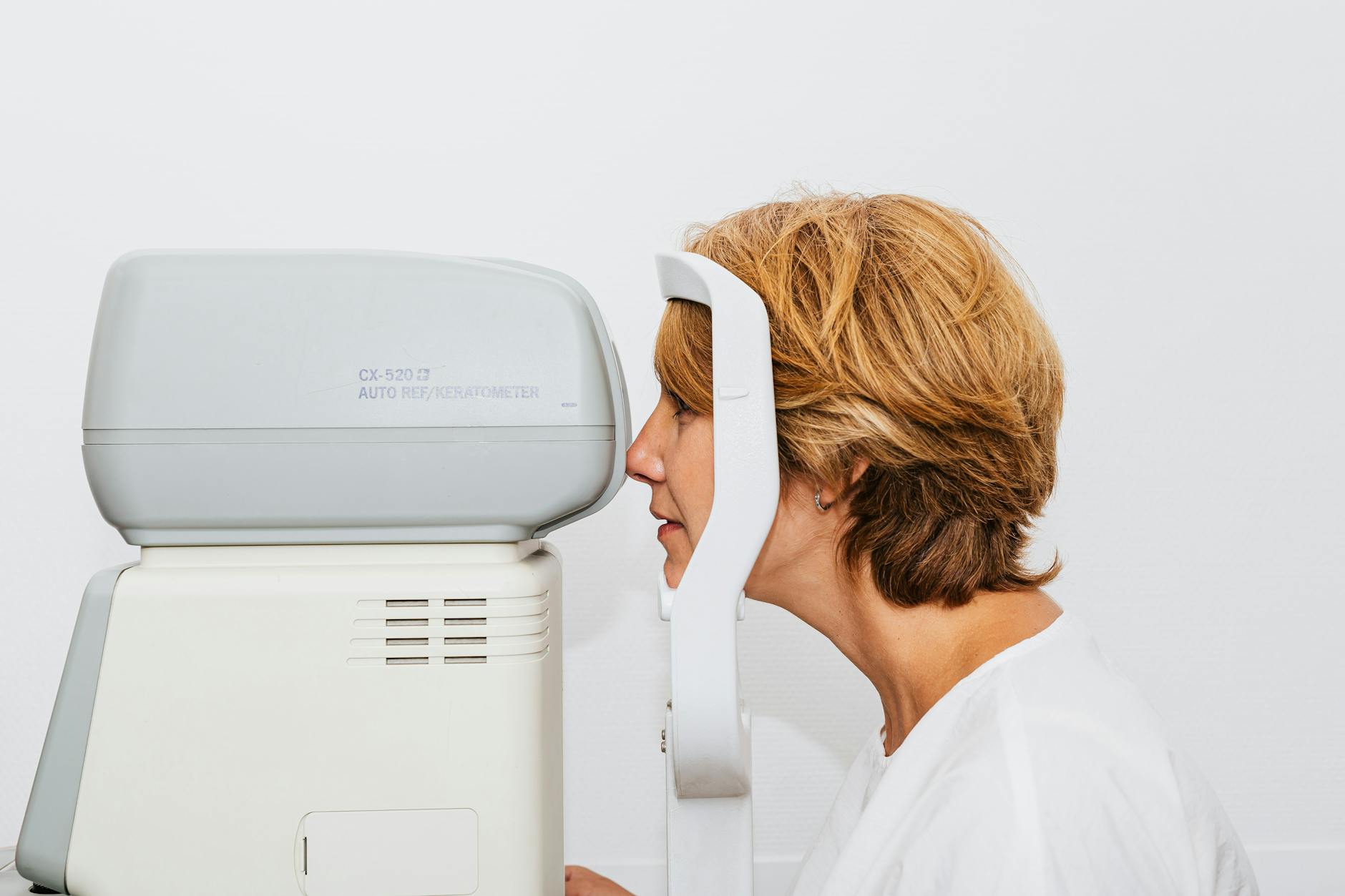
Graves' disease is an autoimmune condition that primarily affects your thyroid gland. However, for a significant number of people, it can also impact the eyes, leading to a condition known as Graves' eye disease, or thyroid eye disease (TED). This can cause discomfort, changes in appearance, and even vision problems. A common question that arises is whether these eye changes are permanent. Let's explore what's known about the reversibility of Graves' eye disease and the treatments available.
What is Graves' Eye Disease?
Graves' eye disease is an autoimmune disorder linked to Graves' disease. In Graves' disease, your immune system mistakenly attacks your thyroid gland, causing it to produce too much thyroid hormone. In Graves' eye disease, the immune system also targets tissues and muscles behind the eyes. This immune response leads to inflammation and swelling in these areas.
This inflammation can cause several symptoms, including:
- Redness and irritation of the eyes
- A feeling of grittiness or dryness
- Swelling of the eyelids
- Bulging of the eyes (proptosis)
- Double vision (diplopia)
- Light sensitivity
- Pressure or pain in the eyes
- Changes in vision, potentially affecting the optic nerve
It's important to understand that while Graves' disease affects the thyroid, Graves' eye disease is a separate but related condition. TED has its own progression and course.
How Common is Graves' Eye Disease?
Around 40% of individuals diagnosed with Graves' disease will experience some form of eye symptoms. For many, these symptoms are mild and might include dry eyes or a gritty sensation. However, in a smaller percentage of cases, the condition can be more severe, leading to noticeable bulging of the eyes and potential vision impairment.
Understanding the Stages of Thyroid Eye Disease
Graves' eye disease typically progresses through two main stages:
The Active (Flare) Stage
This is the period when inflammation is most active. It can last anywhere from 6 months to 2 years. During this phase, symptoms like redness, swelling, and bulging may worsen. Early treatment during this stage can help shorten its duration and reduce the severity of long-term effects.
The Inactive (Fibrotic) Stage
Once the active stage subsides, the condition enters an inactive phase. While the inflammation decreases, some changes might become permanent. Scar tissue can form, leading to persistent issues like double vision or eyelid retraction. However, even in this stage, treatments can help manage symptoms and improve appearance and function.
Can Graves' Eye Disease Go Back to Normal?
The answer is nuanced. For mild cases, yes, symptoms can significantly improve and even resolve on their own over time, especially with appropriate management. However, for more severe cases, a complete return to the pre-disease state might not always be possible without intervention. The goal of treatment is often to reduce inflammation, alleviate symptoms, and prevent further damage, which can lead to a significant improvement in quality of life.
Consider Mrs. Sharma, a 55-year-old homemaker from Delhi. She noticed her eyes felt constantly dry and gritty, and her husband pointed out that one eye seemed to be bulging slightly. After her Graves' disease diagnosis, her doctor explained that her eye symptoms were likely related. Initially, she was worried about permanent disfigurement, but with prescribed eye drops and cool compresses, her discomfort significantly reduced. Over a year, the bulging became less noticeable, and she felt much more comfortable.
Treatment Options for Graves' Eye Disease
Treatment strategies aim to manage the underlying Graves' disease, reduce inflammation in the eyes, and alleviate specific symptoms. The approach is tailored to the severity of the condition.
Managing Symptoms
For mild symptoms, several self-care measures and simple treatments can provide relief:
- Lubricating eye drops: Artificial tears can help combat dryness and irritation.
- Cool compresses: Applying cool, moist cloths to your closed eyes can reduce swelling and discomfort.
- Sleeping with your head elevated: This can help decrease fluid buildup around the eyes overnight.
- Prism glasses: If double vision is an issue, these specialized glasses can help align images.
- Smoking cessation: If you smoke, quitting is one of the most critical steps you can take, as smoking significantly worsens TED.
Medications to Reduce Inflammation
For more significant inflammation, your doctor might prescribe medications:
- Corticosteroids: Oral or intravenous corticosteroids (like prednisone) are often used to reduce inflammation. They are typically given for a limited period during the active stage.
- Teprotumumab (Tepezza): This is a newer medication specifically approved for treating moderate to severe Graves' eye disease. It works by targeting a specific molecule involved in the inflammatory process and has shown significant success in reducing swelling and improving bulging.
Surgical Interventions
Surgery is usually considered when inflammation is under control or when vision is at risk. It can address various issues:
- Orbital decompression: This procedure removes bone or tissue from behind the eye socket. It creates more space, allowing the bulging eye to return to a more natural position and protecting the optic nerve. It can be performed during the active stage if vision is threatened.
- Eyelid surgery: If eyelids have retracted (pulled back), surgery can help restore their normal position, improving appearance and protecting the eye surface.
- Strabismus surgery: This surgery corrects eye muscle alignment to resolve double vision.
When to Consult a Doctor
It's essential to seek medical advice if you have been diagnosed with Graves' disease and notice any changes in your eyes. Prompt consultation is particularly important if you experience:
- Sudden vision changes
- Severe eye pain or pressure
- Significant bulging of the eyes
- Double vision that doesn't resolve
- Redness or swelling that is worsening
Your doctor, likely an endocrinologist and potentially an ophthalmologist specializing in thyroid eye disease, can provide an accurate diagnosis and recommend the most appropriate treatment plan.
Prevention and Long-Term Outlook
While you cannot prevent Graves' disease itself, managing your overall health and thyroid condition is key. If you have Graves' disease, regular eye check-ups are advisable. Quitting smoking is paramount for anyone with Graves' disease, especially if eye symptoms are present. Early detection and treatment of Graves' eye disease can lead to better outcomes and a significant improvement in your quality of life, even if complete reversal isn't always achievable.
Frequently Asked Questions (FAQs)
1. Does Graves' eye disease always cause bulging eyes?
No, not always. While bulging eyes (proptosis) are a common and noticeable symptom, many people with Graves' eye disease experience milder symptoms like dryness, redness, and irritation. Some may not have any visible changes at all.
2. How long does the active stage of Graves' eye disease last?
The active or flare stage, where inflammation is most prominent, typically lasts between 6 months and 2 years. However, the duration can vary from person to person.
3. Can my vision be permanently affected by Graves' eye disease?
In severe cases, if left untreated, Graves' eye disease can potentially affect vision permanently, primarily due to pressure on the optic nerve. However, with timely medical intervention and treatment, the risk of permanent vision loss is significantly reduced.
4. Is Tepezza the only medication that can help with Graves' eye disease?
Tepezza is a significant advancement, but corticosteroids are also commonly used to manage inflammation. Other treatments focus on symptom relief. Your doctor will determine the best medication based on your specific condition.
5. Can I wear contact lenses if I have Graves' eye disease?
It's generally not recommended to wear contact lenses during the active stage of Graves' eye disease, as your eyes may be too dry and sensitive. Your doctor will advise you when it might be safe to resume wearing them, if at all.