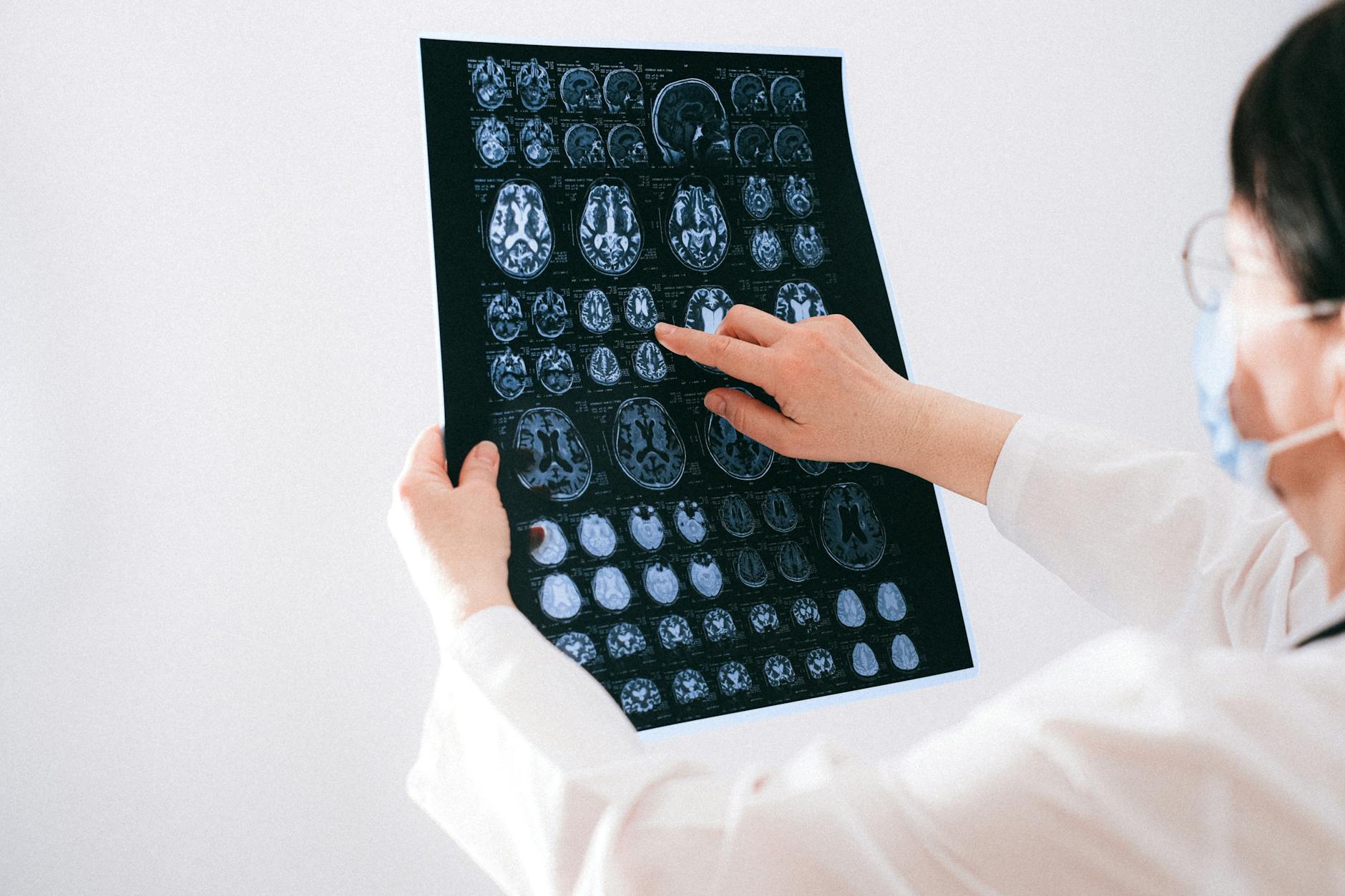
Understanding Parkinson's Disease: No Home Test, But Early Recognition is Key Parkinson's disease is a progressive neurological disorder that affects movement and balance. While there isn't a definitive self-test you can perform at home to diagnose Parkinson's, understanding its symptoms and seeking professional medical evaluation is crucial for early detection and management. This article aims to provide comprehensive information for Indian readers on recognizing potential signs, understanding the diagnostic process, and exploring available treatments and preventative measures. What is Parkinson's Disease? Parkinson's disease (PD) is a condition that impacts a specific group of nerve cells, known as the substantia nigra, in the brain. These cells produce a vital neurotransmitter called dopamine, which plays a critical role in regulating body movements and maintaining balance. When these dopamine-producing cells degenerate, dopamine levels decrease, leading to the characteristic motor symptoms associated with Parkinson's. It's important to understand that Parkinson's is a degenerative disorder, meaning its symptoms typically begin subtly and gradually worsen over time. While there is currently no cure for Parkinson's disease, various treatments are available to help manage symptoms and improve the quality of life for affected individuals. Can You Test Yourself for Parkinson's Disease at Home? The short answer is no. There is no single, reliable self-test that can definitively diagnose Parkinson's disease. Unlike some other health conditions, you cannot simply perform a test in the comfort of your home to confirm or rule out Parkinson's. Diagnosis relies on a thorough evaluation by a qualified healthcare professional. However, your role in observing and reporting your own symptoms is invaluable. The information you provide about your experiences, including changes in mood, thinking, sleep patterns, and physical sensations, is a critical component of the diagnostic process. Early symptoms of Parkinson's may not always be related to movement, making self-awareness and communication with your doctor even more important. Recognizing the Symptoms of Parkinson's Disease Parkinson's disease is primarily known as a movement disorder, and its symptoms can vary significantly from person to person. Some of the most common motor symptoms include: Tremors: Uncontrolled shaking, often starting in one limb, typically the hand or fingers, and may be more noticeable at rest. This is often referred to as a 'pill-rolling' tremor. Bradykinesia (Slowness of Movement): A general slowing down of voluntary movements, making everyday tasks like walking, dressing, or eating more challenging and time-consuming. Rigidity (Stiffness): Stiffness in the limbs or trunk, which can lead to reduced range of motion and discomfort. This stiffness can occur on one or both sides of the body. Postural Instability (Balance Problems): Difficulty maintaining balance and coordination, which can increase the risk of falls. Changes in gait, such as a shorter stride or a tendency to shuffle, are also common. In addition to motor symptoms, Parkinson's disease can also manifest in non-motor symptoms, which are often less obvious but can significantly impact a person's well-being. These can include: Autonomic Dysfunction: Changes in bodily functions such as increased sweating or salivation, and issues with bladder control or sexual function. Sleep Disturbances: Difficulty sleeping, restless sleep, or experiencing vivid dreams. Waking up frequently during the night is also common. Changes in Handwriting: Handwriting may become smaller and more cramped (micrographia). Voice Changes: The voice may become softer, more monotone, or hoarse. Loss of Sense of Smell: A diminished ability to detect odors can be an early sign. Mood and Cognitive Changes: Depression, anxiety, fatigue, and in later stages, cognitive difficulties such as problems with memory or decision-making. It's essential to remember that not everyone with Parkinson's will experience all these symptoms, and the progression rate varies greatly. Some individuals may notice subtle changes in their handwriting or voice long before significant motor symptoms appear. How is Parkinson's Disease Diagnosed? The diagnosis of Parkinson's disease is a clinical process that involves a comprehensive evaluation by a healthcare professional, typically a neurologist. The process generally includes: Medical History and Symptom Review: Your doctor will ask detailed questions about your symptoms, their onset, progression, and any impact they have on your daily life. They will inquire about your family history of neurological conditions, as genetics can play a role in some cases. Neurological Examination: A physical examination is performed to assess your motor skills, balance, coordination, reflexes, and muscle tone. The doctor will observe how you walk, stand, and perform various movements to identify signs consistent with Parkinson's. Response to Medication: In some instances, a doctor may prescribe a medication that temporarily improves Parkinson's symptoms. A positive response to such medication can support the diagnosis. Diagnostic Tools (Used to Rule Out Other Conditions): While there's no single definitive test for Parkinson's, certain imaging tests might be used to rule out other conditions that could mimic Parkinson's symptoms, such as a stroke, brain tumor, or other neurological disorders. These may include: Magnetic Resonance Imaging (MRI): An MRI scan provides detailed images of the brain and can help identify structural abnormalities. In Parkinson's, it might show changes in certain brain areas, but it's primarily used to exclude other causes. Dopamine Transporter Scan (DaTscan): This specialized imaging test can help detect the loss of dopamine transporters in the brain, which is characteristic of Parkinson's disease. However, it's not routinely used for initial diagnosis and is usually reserved for complex cases where the diagnosis is uncertain. It's important to note that a diagnosis of Parkinson's is typically made based on the presence of characteristic motor symptoms and the exclusion of other conditions. The International Parkinson and Movement Disorder Society provides guidelines and checklists that healthcare professionals may use to aid in diagnosis. Treatment and Management of Parkinson's Disease While there is no cure for Parkinson's disease, a range of treatments can effectively manage symptoms and improve the quality of life for individuals. Treatment plans are highly individualized and may include: Medications: The cornerstone of Parkinson's treatment is medication aimed at replenishing dopamine levels or mimicking its effects. Levodopa is the most effective drug, often combined with carbidopa. Other medications include dopamine agonists, MAO-B inhibitors, and COMT inhibitors. Therapies: Physical Therapy: Helps improve balance, flexibility, and mobility, reducing the risk of falls. Occupational Therapy: Assists in adapting daily activities and modifying the home environment for safety and ease of living. Speech Therapy: Addresses voice and swallowing difficulties. Deep Brain Stimulation (DBS): A surgical procedure involving the implantation of electrodes in specific areas of the brain to help control motor symptoms. It is typically considered for individuals whose symptoms are not adequately managed by medication. Lifestyle Modifications: Exercise: Regular physical activity, including walking, swimming, and tai chi, is highly recommended to maintain mobility and overall well-being. Diet: A balanced diet rich in fruits, vegetables, and whole grains is important. Some individuals may need to adjust their diet based on medication timing or specific symptoms like constipation. Preventing Parkinson's Disease Currently, there are no proven methods to prevent Parkinson's disease. However, research suggests that certain lifestyle factors may play a role in reducing the risk or slowing the progression of the disease. These include: Regular Exercise: Engaging in consistent physical activity throughout life has been associated with a lower risk of developing Parkinson's. Healthy Diet: A diet rich in antioxidants, found in fruits and vegetables, may offer some protective benefits. Avoiding Certain Environmental Exposures: Minimizing exposure to pesticides and herbicides has been suggested as a potential risk reduction strategy, although more research is needed. When to Consult a Doctor It is essential to consult a doctor if you notice any persistent or concerning changes in your body's movement, balance, or other potential symptoms associated with Parkinson's disease. Early consultation allows for timely diagnosis and intervention, which can significantly impact the management of the condition. Seek medical advice if you experience: Unexplained tremors, especially at rest. Noticeable slowness in your movements. Increased stiffness in your limbs or body. Changes in your gait or balance that lead to unsteadiness. Any combination of these symptoms, even if they seem mild. Do not delay seeking professional medical help. A healthcare provider can perform the necessary evaluations and guide you on the next steps. Frequently Asked Questions (FAQ) Q1: Can Parkinson's disease be cured? A: Currently, there is no known cure for Parkinson's disease. However, treatments are available to manage symptoms effectively and improve the quality of life for individuals living with the condition. Q2: Are there any specific tests that can confirm Parkinson's disease? A: There is no single definitive test for Parkinson's disease. Diagnosis is primarily based on a clinical evaluation, including a detailed medical history, neurological examination, and the presence of characteristic motor symptoms. Imaging tests like MRI or DaTscan may be used to rule out other conditions. Q3: Can lifestyle changes help manage Parkinson's disease? A: Yes, lifestyle modifications such as regular exercise, a balanced diet, and therapies like physical and occupational therapy can play a significant role in managing Parkinson's symptoms and improving overall well-being. Q4: Is Parkinson's disease hereditary? A: While most cases of Parkinson's disease are considered sporadic (occurring without a known genetic cause), a small percentage of
In summary, timely diagnosis, evidence-based treatment, and prevention-focused care improve long-term health outcomes.