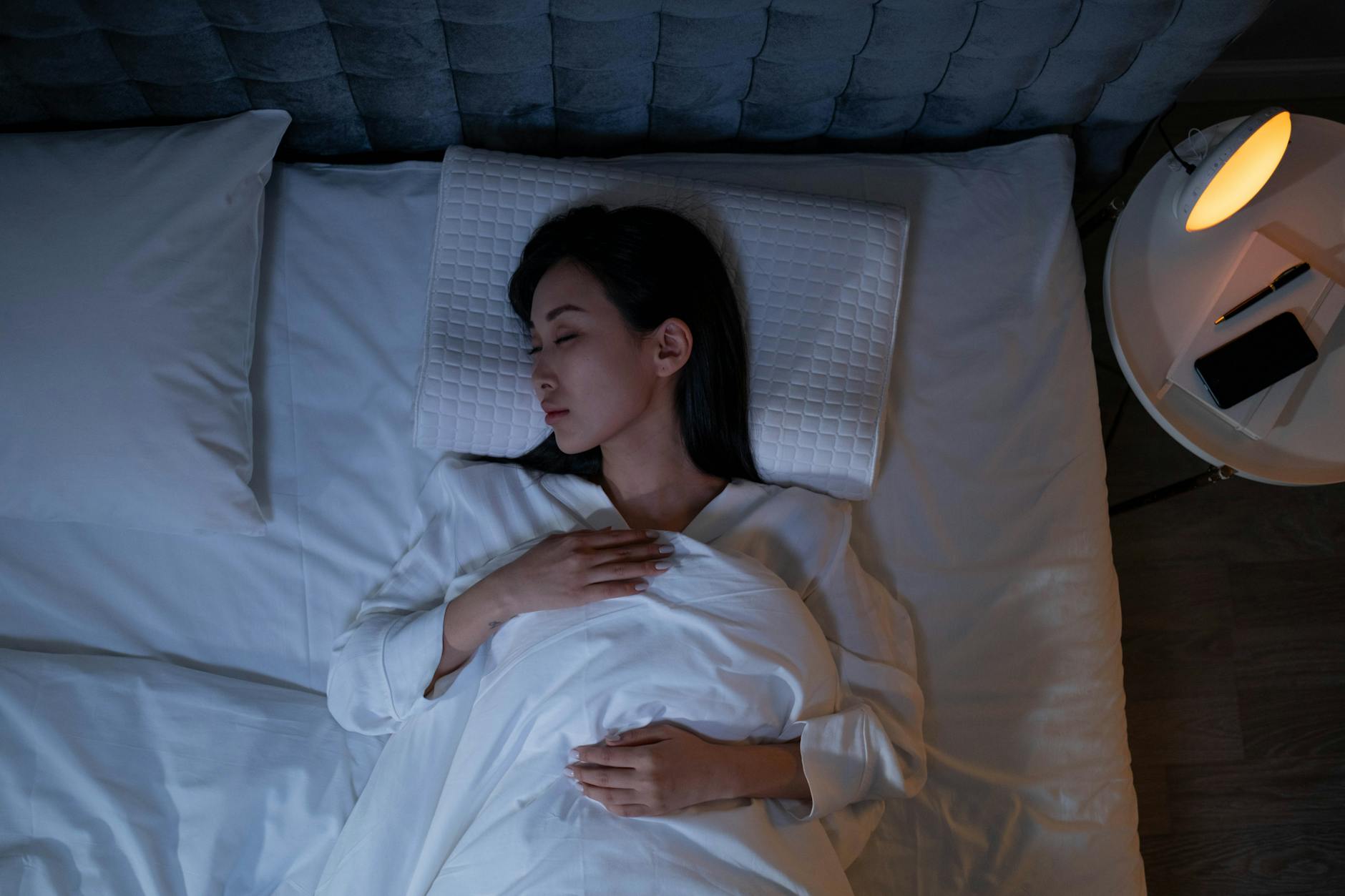
Imagine this: you're fast asleep, dreaming peacefully, when suddenly, a strange, drawn-out groaning sound fills the room. Your partner jolts awake, startled. Is it a nightmare? A medical emergency? For some, this unsettling nocturnal symphony is a reality, a condition known as catathrenia. It’s a sleep disorder that can leave both the sufferer and their loved ones bewildered, often mistaken for snoring or something far more sinister. But what exactly is catathrenia? Let’s explore this peculiar phenomenon, its potential causes, and what can be done about it.
What is Catathrenia?
Catathrenia is a sleep-related breathing disorder characterized by vocalizations made during sleep, specifically long, slow, groaning or moaning sounds that occur during exhalation. Unlike snoring, which happens as you inhale, these sounds are typically low-pitched and can last anywhere from a few seconds to nearly a minute. They’re not random noises; they are deliberate vocalizations tied to the breathing cycle. These groans can be repeated throughout the night, sometimes frequently, other times less so, but they are generally a nightly occurrence for those affected. Some people describe the sound as eerie, almost ghost-like, which can be quite alarming for anyone within earshot.
It's important to understand that catathrenia does not happen when a person is awake. It’s strictly a sleep phenomenon. Furthermore, during these groaning episodes, breathing tends to slow down, a state known as bradypnea. However, and this is a key distinction, catathrenia is *not* associated with pauses in breathing, a hallmark of conditions like Obstructive Sleep Apnea (OSA). Despite the absence of breathing cessation, some individuals with catathrenia report daytime sleepiness and a sore throat upon waking. This suggests that, even if the person isn't aware of the interruptions, the groaning can disrupt the restorative quality of sleep.
How Common is Catathrenia?
Catathrenia is quite rare. Studies suggest it affects less than half of 1 percent of the general population. Its rarity means it hasn't been the subject of extensive research, leaving many questions about its exact causes and the most effective treatments unanswered. This lack of widespread study contributes to the mystery surrounding the condition.
Symptoms of Catathrenia
The primary and most noticeable symptom is the distinct groaning or moaning sound made during exhalation while sleeping. Other symptoms can include:
- Long, slow groans: These are the defining vocalizations, occurring as the person breathes out.
- Bradypnea: A slowing of breathing rate during the groaning episodes.
- Daytime sleepiness: Even without conscious awareness of sleep disruption, individuals may feel tired during the day.
- Sore throat: Waking up with a sore or dry throat is common.
- Disturbed bed partner: The loud and unusual sounds can significantly disrupt the sleep of anyone sharing a bed.
Unlike sleep apnea, there are no gasping or choking sounds, and breathing does not stop. The groans are continuous, drawn-out exhalations.
What Causes Catathrenia?
The exact causes of catathrenia remain somewhat elusive, with several theories proposed:
- Neurological factors: One leading theory suggests that catathrenia might be linked to issues with the neurons in the brain's respiratory control center. These neurons could be causing the prolonged, slow exhalations that manifest as groaning.
- Airway anatomy: Some researchers believe that the physical structure of the airways might play a role. A smaller jaw or narrower upper airways could potentially contribute to the condition.
- Genetic predisposition: There's evidence suggesting a possible genetic component. Some individuals with catathrenia report having close family members who also experience the condition, hinting at inherited factors.
It's crucial to remember that research is ongoing, and these are currently the most widely discussed hypotheses. The condition's rarity means definitive answers are still being sought.
Diagnosis: How is Catathrenia Identified?
Diagnosing catathrenia typically involves a few key steps:
- Medical History and Symptom Reporting: A doctor will start by discussing your symptoms, including the nature of the vocalizations, their frequency, and any other sleep-related issues like daytime sleepiness or sore throat. It’s vital to have a partner or family member who can describe the sounds, as the affected individual is usually unaware of them.
- Sleep Study (Polysomnography): The gold standard for diagnosing sleep disorders is a sleep study. During this overnight test in a specialized lab, various bodily functions are monitored, including brain waves, breathing patterns, heart rate, oxygen levels, and muscle activity. This helps differentiate catathrenia from other sleep disorders like sleep apnea, snoring, or REM sleep behavior disorder. The study will specifically look for the characteristic groaning during exhalation and the associated slow breathing, while ruling out breathing cessations.
- Ruling Out Other Conditions: Doctors will also work to exclude other potential causes for sleep-related vocalizations or breathing disturbances.
Because the groaning occurs during REM sleep, a stage where vivid dreams are common, it's sometimes confused with vocalizations related to nightmares. However, the sustained, exhalation-based groan is unique to catathrenia.
Treatment Options for Catathrenia
While there isn't a single cure for catathrenia, several treatment approaches can help manage the symptoms and improve sleep quality:
- CPAP Therapy: Continuous Positive Airway Pressure (CPAP) therapy, commonly used for sleep apnea, can be effective for some individuals with catathrenia. A CPAP machine delivers pressurized air through a mask worn over the nose and mouth (or a nasal cannula) to keep the airways open during sleep. While it helps maintain open airways, the extra airflow doesn't alleviate symptoms for everyone.
- Oral Appliances: Customized dental devices can be used to position the jaw and tongue optimally, potentially preventing airway obstruction and reducing groaning.
- Surgery: In some cases, surgery to remove excess tissue in the throat might be considered to widen the airway and alleviate the condition.
- Lifestyle Adjustments: Although not direct treatments for catathrenia itself, certain sleep hygiene practices can promote better overall sleep:
- Maintain a consistent sleep schedule (go to bed and wake up around the same time daily).
- Avoid caffeine and alcohol close to bedtime.
- Use a supportive pillow to maintain good neck alignment.
- Engage in regular physical activity, preferably in the morning.
It's essential to consult with a sleep specialist to determine the most appropriate treatment plan for your specific situation. What works for one person may not work for another, given the varied nature of the condition.
Prevention and When to Seek Medical Advice
Since the causes of catathrenia aren't fully understood, specific preventive measures are difficult to outline. However, maintaining good sleep hygiene as mentioned above can contribute to overall better sleep health.
When to Consult a Doctor:
- If your bed partner complains of unusual groaning sounds during your sleep. This is often the first sign that something might be amiss.
- If you experience excessive daytime sleepiness that interferes with your daily activities.
- If you wake up with a sore throat or dry mouth regularly.
- If you are concerned about your sleep quality or potential sleep disorders.
Early diagnosis and management are key to improving sleep quality for both you and your partner.
Potential Complications
Catathrenia itself is generally not associated with serious medical complications. It doesn't typically lead to significant long-term health problems. However, there are potential challenges:
- Relationship Strain: The most common complication is the disruption caused to a bed partner's sleep. This can lead to frustration, sleep deprivation for the partner, and potential stress on the relationship. Open communication and seeking professional advice are vital here. Your partner might find relief with earplugs or white noise machines.
- Masking Other Sleep Disorders: In some instances, the symptoms of catathrenia might inadvertently mask or be confused with other, potentially more serious, sleep disorders like Obstructive Sleep Apnea (OSA). If your partner also notices pauses in your breathing or gasping, it's essential to get a thorough evaluation.
While the groans can be alarming, they are usually not indicative of a dangerous underlying condition. The primary impact is often on sleep quality and interpersonal dynamics.
Frequently Asked Questions (FAQ)
Is catathrenia dangerous?
Generally, no. Catathrenia is not considered a dangerous condition in itself. It doesn't typically cause significant medical harm. The main issues are sleep disruption for the individual and their bed partner, and potential relationship stress.
Can catathrenia be cured?
There is no known cure for catathrenia. However, symptoms can often be managed effectively with treatments like CPAP therapy, oral appliances, or lifestyle adjustments, leading to improved sleep quality.
Is catathrenia a form of sleep apnea?
No, catathrenia is distinct from sleep apnea. While both are sleep-related breathing disorders, sleep apnea involves pauses in breathing (apneas) and often gasping or choking sounds during inhalation. Catathrenia involves continuous groaning during exhalation without breathing cessations.
Can I stop groaning in my sleep?
While you can't consciously stop the groaning, seeking medical advice can lead to treatments that reduce or eliminate the vocalizations, thereby improving sleep for everyone involved. Consulting a sleep specialist is the best course of action.
Living with catathrenia can be challenging, but understanding the condition is the first step towards finding relief. If you or your partner are experiencing these nocturnal groans, don't hesitate to reach out to a healthcare professional. Better sleep and peace of mind are within reach!