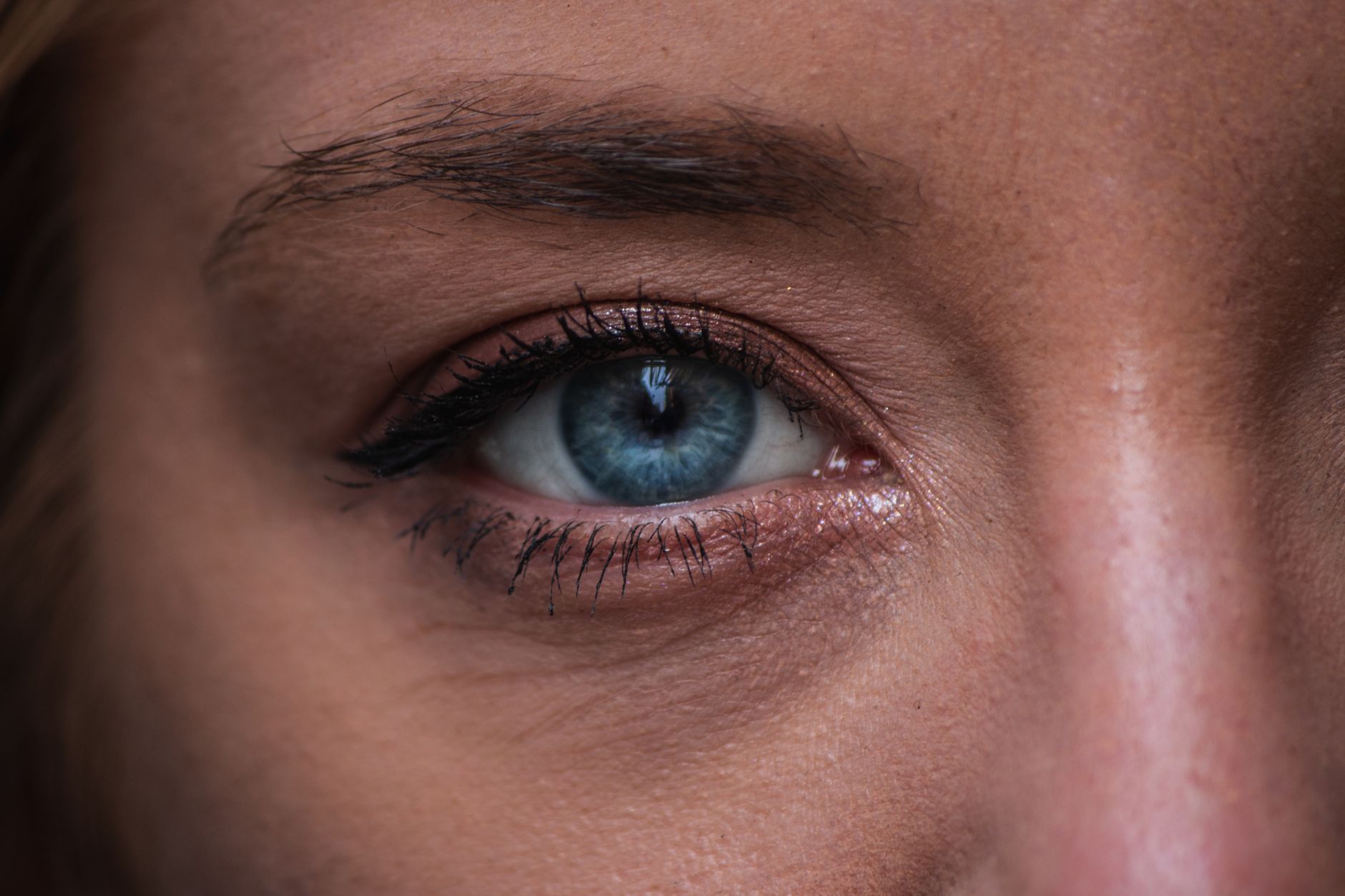
Understanding Cholesterol Deposits Around the Eyes (Xanthelasma)
Cholesterol deposits around the eyes, medically known as Xanthelasma, are yellowish, fatty lumps that appear on or under the skin of your eyelids. These deposits are made up of lipids, including cholesterol, and often show up symmetrically on both the upper and lower eyelids, typically between the eyes and the nose. While they don't usually affect your vision or the ability to blink, they can grow larger over time and may cause discomfort or be a cosmetic concern for some individuals. In India, where lifestyle factors and genetic predispositions can influence lipid levels, understanding Xanthelasma is crucial.
What Causes Cholesterol Deposits?
The primary cause of Xanthelasma is an imbalance of lipids in your blood, a condition known as dyslipidemia. This can manifest in several ways:
- Hypercholesterolemia: Total cholesterol levels greater than 200 milligrams per deciliter (mg/dL).
- Hypertriglyceridemia: Triglyceride levels above 150 mg/dL.
- High LDL (Low-Density Lipoprotein): Often referred to as 'bad' cholesterol, levels above 100 mg/dL.
- Low HDL (High-Density Lipoprotein): Known as 'good' cholesterol, levels below 40 mg/dL in men and 50 mg/dL in women.
While dyslipidemia is a major factor, other causes can contribute to Xanthelasma:
- Genetics: Certain inherited conditions can lead to higher lipid levels. These include familial lipoprotein lipase deficiency, familial hypertriglyceridemia, and familial dyslipoproteinemia.
- Lifestyle Choices: A diet high in saturated fats and low in unsaturated fats, along with excessive alcohol consumption, can significantly impact blood lipid levels.
- Medications: Some medications can increase the risk of developing cholesterol deposits.
- Other Health Conditions: Conditions like kidney disease, hypothyroidism (underactive thyroid), and diabetes mellitus can also lead to increased lipid concentrations in the blood.
Symptoms of Xanthelasma
The most obvious symptom is the appearance of yellowish, soft lumps on or around the eyelids. These deposits are:
- Typically found on the inner part of the upper and lower eyelids.
- Often symmetrical, appearing on both eyes.
- Usually painless.
- Do not affect vision or eyelid function.
While they may not cause immediate concern, it's important to remember that they can be an indicator of underlying health issues.
Diagnosis of Cholesterol Deposits
Diagnosing Xanthelasma usually involves a straightforward process:
- Visual Examination: A doctor can often diagnose Xanthelasma based on its characteristic appearance during a physical examination.
- Medical History: Your doctor will ask about when you first noticed the deposits and if they have changed over time.
- Blood Tests: A blood panel is essential to measure your lipid levels (cholesterol and triglycerides). This helps determine if dyslipidemia is the underlying cause and guides treatment.
Treatment and Management
Treatment for Xanthelasma focuses on both removing the deposits and addressing the underlying cause, especially if it's related to dyslipidemia, which can increase the risk of heart disease and atherosclerosis.
1. Lifestyle Modifications:
These are crucial for managing dyslipidemia and preventing the worsening or recurrence of deposits:
- Dietary Changes: Limit saturated fats to less than 9% of your daily calorie intake. Focus on a diet rich in fruits, vegetables, whole grains, and lean proteins. Reduce intake of trans fats found in processed foods.
- Reduce Alcohol Intake: Moderate alcohol consumption is advised. For women, no more than one drink per day, and for men, no more than two drinks per day.
- Regular Exercise: Aim for at least 30 minutes of moderate-intensity cardiovascular exercise three times a week. Activities like brisk walking, jogging, swimming, or cycling are beneficial.
- Weight Management: If you are overweight, losing even a small amount of weight can help improve lipid levels.
2. Medical Treatments:
If lifestyle changes are not enough, or if the deposits are causing significant cosmetic concern, your doctor may recommend:
- Medications: Statins or other lipid-lowering drugs may be prescribed to manage high cholesterol and triglycerides.
- Surgical Removal: For cosmetic reasons or discomfort, the deposits can be removed. Methods include:
- Surgical Excision: Using a small blade to carefully cut out the deposit.
- Chemical Peels: Applying a chemical solution to the skin to remove the outer layers.
- Laser Therapy: Using laser energy to break down the fatty deposits.
- Cryotherapy: Freezing the deposits to remove them.
The choice of treatment depends on the size, location, and number of deposits, as well as the patient's overall health.
Prevention
While genetic factors cannot be changed, you can take steps to reduce your risk:
- Maintain a healthy, balanced diet low in saturated and trans fats.
- Limit alcohol consumption.
- Engage in regular physical activity.
- Manage underlying health conditions like diabetes, hypothyroidism, and kidney disease effectively.
- Avoid smoking, as it can negatively impact cardiovascular health.
When to Consult a Doctor
It is advisable to consult a doctor if you notice any yellowish deposits around your eyes. Even if they seem harmless, they could be a sign of underlying dyslipidemia or other health issues that require attention. Early diagnosis and management can help prevent serious complications like heart disease and stroke. If the deposits cause discomfort or you are concerned about their appearance, consult your doctor for treatment options.