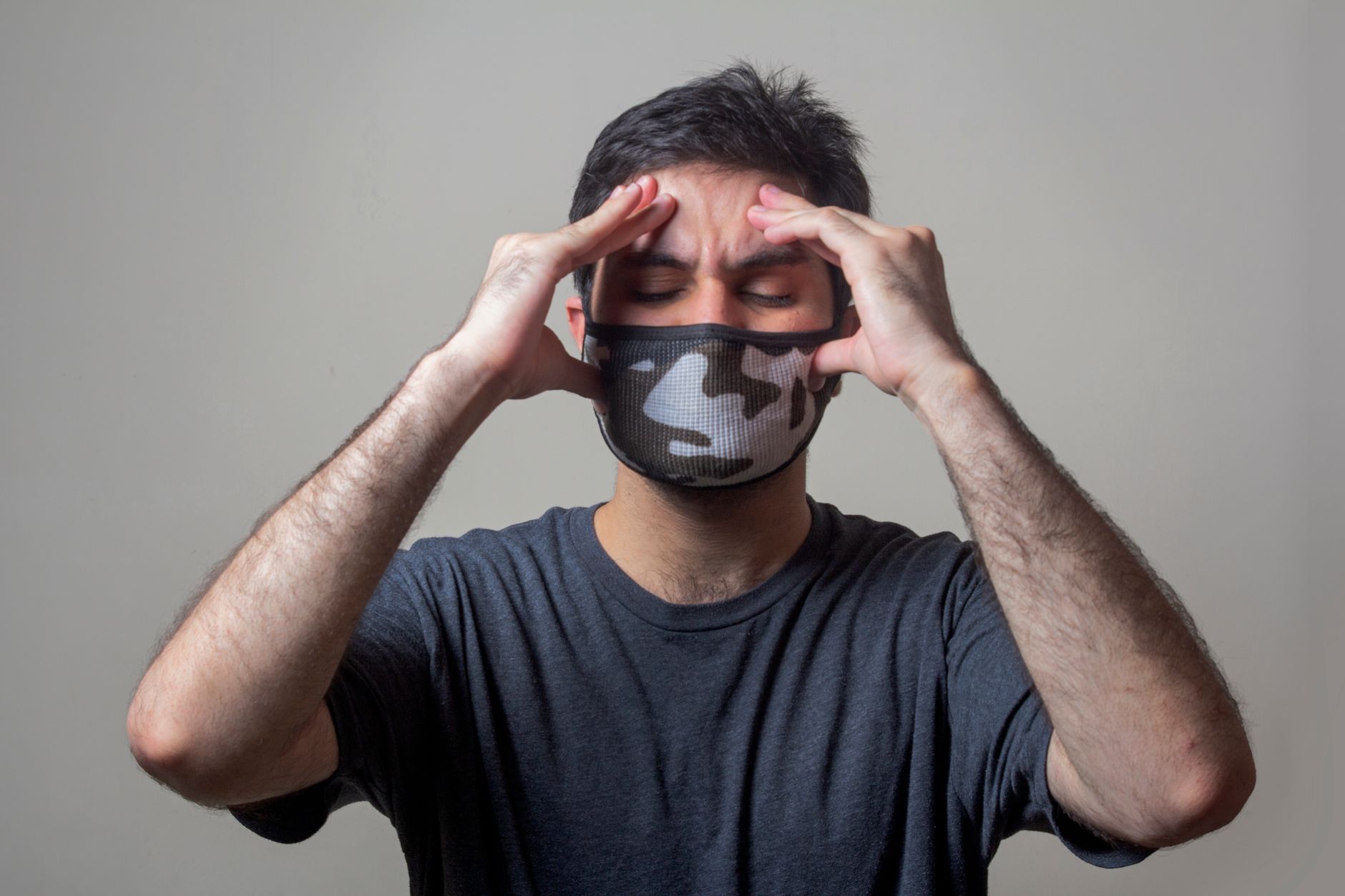
Understanding Light Sensitivity in Chronic Migraine
Chronic migraine is a debilitating neurological condition that affects millions worldwide. Beyond the intense headaches, individuals often experience a range of other symptoms, including nausea, dizziness, and heightened sensitivity to stimuli. Among the most common and disruptive symptoms is photophobia, or light sensitivity, which is reported by a staggering 80-90% of people with migraine. This sensitivity can occur during and after a migraine attack, and for many, managing light exposure is crucial to preventing triggers or alleviating existing symptoms. While the traditional advice has been to retreat to a dark room, emerging research suggests that the type of light we are exposed to can significantly impact migraine triggers and symptoms.
The Impact of Light on Migraine
Light sensitivity in migraine sufferers means that even normal levels of light can trigger a migraine episode or worsen an ongoing one. This isn't just about brightness; the color and quality of light also play a role. Bright lights, particularly those with a high blue light content, can be problematic. Conversely, certain types of light might actually be beneficial. Understanding these nuances can empower individuals to make informed choices about their lighting environment.
What to Avoid: Problematic Lighting
Certain types of lighting are known to exacerbate migraine symptoms. It's important to identify and avoid these:
- Fluorescent Lights: These lights, including compact fluorescent lights (CFLs), often flicker imperceptibly to the human eye. This flickering can be a significant trigger for migraine sufferers.
Additional Medical Guidance
This section adds practical context and preventive advice to help readers make informed healthcare decisions. It is important to verify symptoms early, consult qualified doctors, and avoid self-medication for persistent health issues.
Maintaining healthy routines, following prescribed treatment plans, and attending regular checkups can improve outcomes. If symptoms worsen or red-flag signs appear, immediate medical evaluation is recommended.
Quick Checklist
Track symptoms and duration.
Follow diagnosis and treatment from a licensed practitioner.
Review medication side effects with your doctor.
Seek urgent care for severe warning signs.