Dealing with a large, painful acne cyst that just won't budge? You've probably tried creams, washes, and maybe even some over-the-counter remedies, but that stubborn bump remains red, swollen, and oh-so-visible. It's a common frustration, and for many, the question arises: can something stronger, something faster, help?
Enter the cortisone shot for acne. While not a first-line treatment for everyday blemishes, these injections have gained attention for their ability to tackle severe acne, particularly those deep, inflamed cysts and nodules. But what exactly are they, how do they work, and are they a magic bullet or a treatment with potential downsides? Let's explore.
What is a Cortisone Shot for Acne?
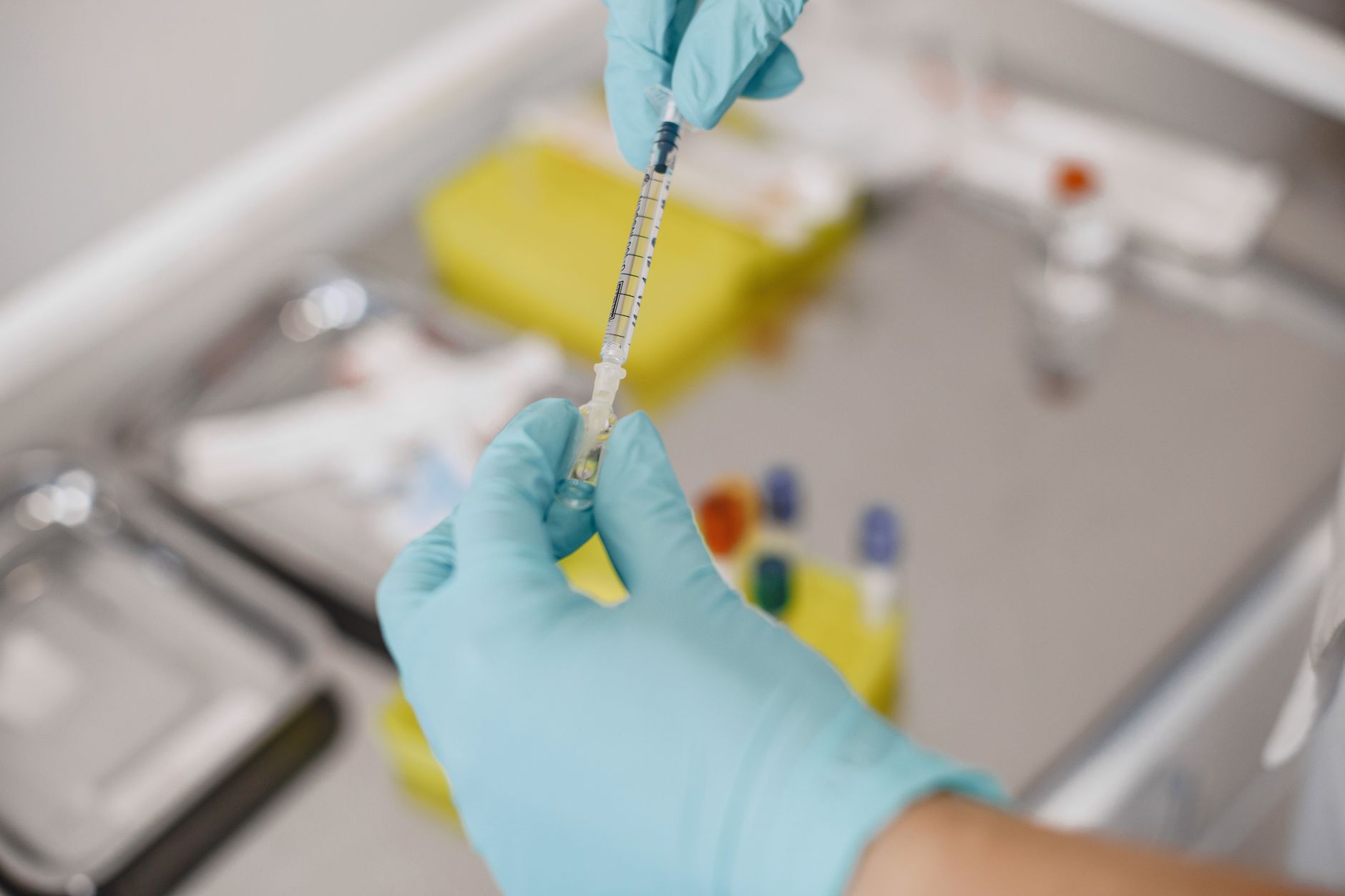
A cortisone shot is essentially an injection of a synthetic corticosteroid hormone directly into an acne lesion, like a cyst or nodule. Corticosteroids are powerful anti-inflammatory agents. When injected into a swollen, painful acne cyst, they work quickly to reduce that inflammation, bringing down redness, swelling, and discomfort. Think of it as a targeted strike against the inflammation that makes those deep acne bumps so miserable.
Dermatologists typically use a diluted corticosteroid, such as triamcinolone (often known by the brand name Kenalog), for these injections. The procedure itself is usually quite fast and can be performed during a regular office visit. If you have multiple large, inflamed cysts in different areas, a dermatologist might administer several injections in one session, ensuring each goes into a separate problematic spot.
Why Choose Cortisone Shots for Acne?
Cortisone injections are not your everyday acne treatment. They are usually reserved for specific situations, primarily for those deeply inflamed, tender, and swollen acne nodules or cysts that haven't responded well to other common acne therapies. These are the types of lesions that can linger for weeks, causing significant pain and distress.
The main benefit is speed. While other acne treatments work over time, a cortisone shot can often shrink a large cyst and reduce its inflammation within a few days. This can be a lifesaver for someone preparing for an important event or simply seeking rapid relief from persistent discomfort.
How Do Cortisone Shots Work for Acne?
Acne, especially cystic acne, starts when your skin's pores become clogged. This clogging is often a mix of dead skin cells and excess oil (sebum). Bacteria, particularly Propionibacterium acnes (P. acnes), can then thrive in this environment, leading to inflammation.
In cystic acne, this inflammation goes deep beneath the skin's surface, forming large, painful, fluid-filled sacs (cysts) or solid, inflamed bumps (nodules). These lesions are not like typical pimples with a visible head; they are deeper and much more inflamed.
When a dermatologist injects a corticosteroid directly into one of these cysts or nodules, the steroid works by:
- Reducing Inflammation: Corticosteroids are potent anti-inflammatories. They suppress the immune response that causes the redness, swelling, and pain associated with the cyst.
- Shrinking the Lesion: By calming the inflammation, the injection helps to reduce the size of the cyst or nodule, making it less noticeable and painful.
The result is often a significant reduction in swelling and redness within 24 to 72 hours.
When are Cortisone Shots Recommended?
A dermatologist might recommend a cortisone shot when:
- You have a large, deep, inflamed cyst or nodule.
- The lesion is particularly painful.
- The acne is not responding to other treatments like topical medications or oral antibiotics.
- You need quick improvement for a specific event.
It’s important to understand that this treatment is for individual, severe lesions, not for widespread acne or as a long-term solution.
A Real-Life Scenario: The Big Event
Sarah was devastated. A week before her best friend's wedding, a huge, angry cyst erupted on her chin. It was red, swollen, and incredibly painful to the touch. She had an important role in the wedding and couldn't imagine facing everyone with such a prominent blemish. After trying her usual spot treatments with no success, she called her dermatologist in a panic. The dermatologist suggested a cortisone shot, explaining it could significantly reduce the inflammation before the wedding day.
Potential Side Effects and Risks
While cortisone shots can be very effective, they aren't without potential side effects. It's crucial to discuss these with your dermatologist:
- Skin Thinning or Pitting: The injection site might experience temporary thinning of the skin. In some cases, this can lead to a visible depression or indentation where the cyst was. Fortunately, this often resolves on its own over time, or a dermatologist might offer treatments like dermal fillers if it persists.
- Hypopigmentation: You might notice a temporary lightening of the skin at the injection site, appearing as a white spot. This usually fades with time.
- Systemic Effects: If too much steroid is injected or if it's absorbed into the bloodstream in large amounts, there's a small risk of systemic side effects. This is why precise dosage and injection technique are vital.
- Infection: As with any injection, there's a small risk of infection, though this is rare when performed by a trained professional in sterile conditions.
- Atrophy: Persistent thinning of the skin can lead to a sunken appearance.
These side effects are more likely with higher doses or frequent injections in the same area.
How Often Can You Get Cortisone Injections?
Cortisone injections for acne are intended as an occasional, targeted treatment. They are not a routine part of acne management or a substitute for a comprehensive skincare regimen. Dermatologists generally recommend waiting at least 6 weeks between injections in the same spot to allow the skin to recover and minimize the risk of side effects like skin atrophy.
Think of it as an emergency intervention for a specific, severe flare-up, rather than a regular maintenance therapy.
What Causes Cystic Acne?
Cystic acne is the most severe form of acne and is often influenced by a combination of factors:
- Hormones: Fluctuations in hormones like testosterone, estrogen, and androgens play a significant role, which is why it's common during puberty, menstruation, and other hormonal changes.
- Genetics: If cystic acne runs in your family, you're more predisposed to developing it.
- Environment: Factors like high humidity, excessive sweating, and certain skincare products (heavy oils, pore-clogging ingredients) can sometimes worsen acne.
- Certain Medications: Some drugs, including lithium, corticosteroids, isoniazid, and phenytoin, have been linked to acne outbreaks.
Alternative Treatments for Cystic Acne
If cortisone shots aren't the right fit for you, or if you're looking for a broader approach to managing cystic acne, your dermatologist might discuss other options:
- Topical Retinoids: Medications like adapalene and tazarotene help unclog pores and reduce inflammation.
- Oral Medications: Antibiotics, hormonal therapies (like birth control pills for women), or isotretinoin (for severe, persistent cases) might be prescribed.
- Other Injectables: In some cases, other types of anti-inflammatory injections might be considered.
- Incision and Drainage: For very large, painful cysts, a dermatologist might perform a minor procedure to drain the pus, offering immediate relief.
A combination of treatments is often the most effective strategy for managing cystic acne.
When Should You Consult a Doctor?
It's time to see a doctor, specifically a board-certified dermatologist, if you experience any of the following:
- You have large, deep, painful bumps that don't come to a head.
- Your acne is causing significant emotional distress or affecting your self-esteem.
- Over-the-counter treatments aren't working after several weeks.
- You suspect you have cystic acne or severe acne.
A dermatologist can accurately diagnose your condition and recommend the most appropriate treatment plan, which may or may not include cortisone injections.
The Bottom Line
Cortisone shots can be a powerful tool for quickly reducing the inflammation and size of painful cystic acne lesions. However, they are best used as an occasional treatment for stubborn individual bumps, not as a regular acne therapy. Understanding the potential benefits and side effects, and discussing your options with a dermatologist, is key to making an informed decision about managing your acne effectively.