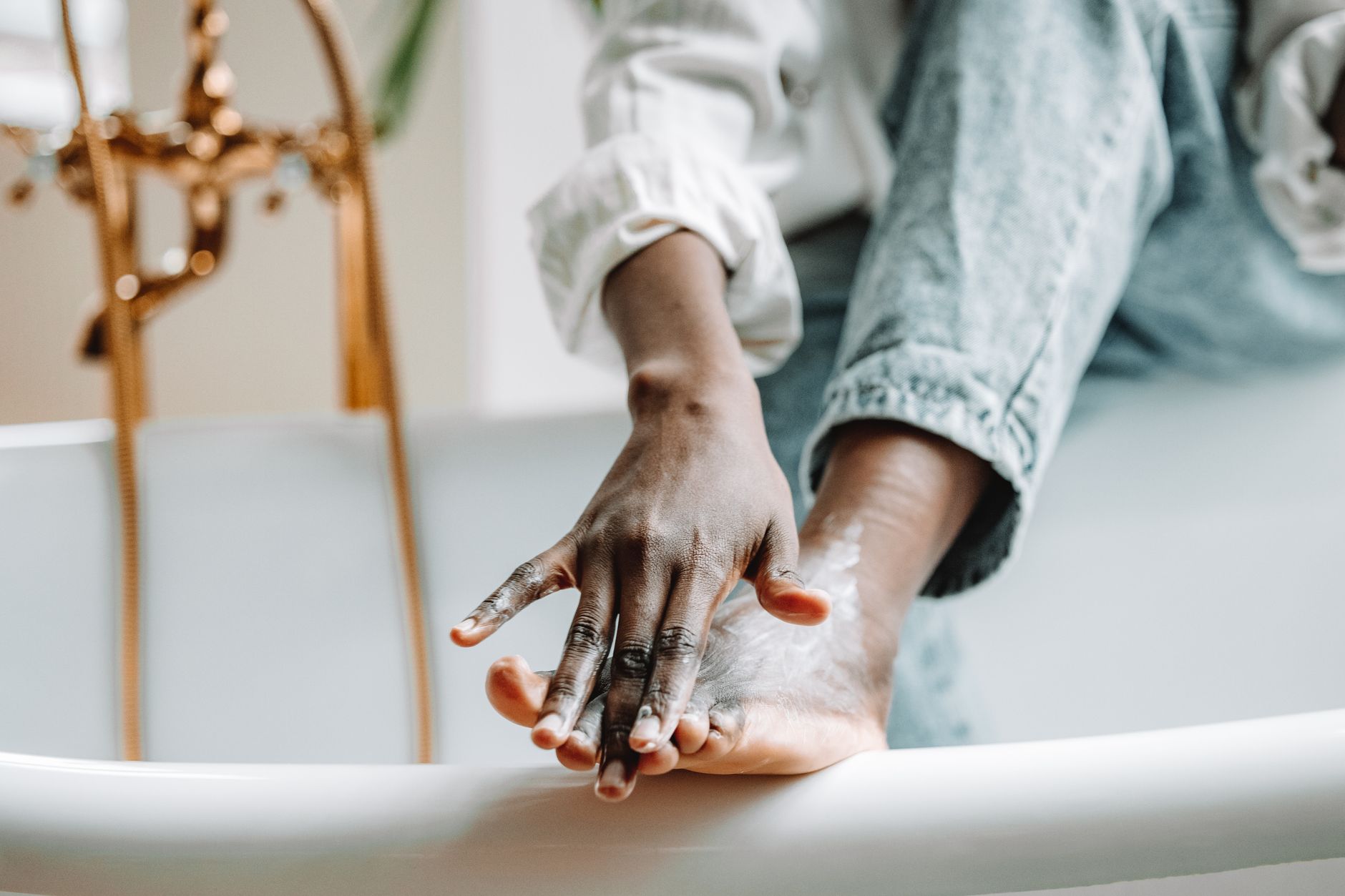
Understanding Cracked Skin: More Than Just Dryness
Have you ever noticed your skin becoming dry, tight, and eventually cracking, especially on your hands, feet, or lips? It’s a common issue that can range from a minor annoyance to a painful problem. Cracked skin, medically known as rhagades, happens when the skin loses its flexibility and elasticity, leading to fissures or splits. While often associated with simple dryness, cracked skin can sometimes signal underlying health conditions. This guide will explore the various reasons behind cracked skin and provide practical, reader-friendly advice for managing and treating it, with a special focus on what works for people in India.
Common Culprits Behind Cracked Skin
The most frequent reason for cracked skin is simply dryness, also called xerosis. Our skin has natural oils that keep it moisturized and supple. When these oils are depleted, the skin loses moisture, becomes dry, shrinks, and starts to crack. Several factors contribute to this dryness:
Environmental Factors
- Cold Weather: During winter, low humidity and cold temperatures outside, combined with dry indoor heating, can strip moisture from your skin.
- Hot Water Exposure: Frequent or prolonged exposure to hot water from showers, baths, or washing dishes can wash away the skin's natural protective oils.
- Harsh Chemicals: Many household products like dish soaps, laundry detergents, and certain cleaning agents contain chemicals that can irritate and damage the skin's protective barrier, leading to dryness and cracking.
Lifestyle and Habits
- Excess Moisture: Ironically, constant exposure to moisture can also harm your skin. Think about wearing damp socks for too long; the moisture can irritate the skin, making it more prone to dryness and cracking. This is because water itself can act as an irritant.
- Medications: Certain medications, particularly topical treatments like retinoids used for acne or anti-aging, can cause significant skin dryness as a side effect.
When Skin Conditions Cause Cracking
Sometimes, cracked skin is a symptom of a more specific medical condition:
Eczema (Atopic Dermatitis)
Eczema causes red, itchy, and inflamed skin. It often appears on the face, hands, and the folds of the arms and legs. Eczema makes the skin extremely dry, which can then lead to cracking. Other symptoms include:
- Intense itching
- Redness and inflammation
- Rough, scaly patches
- Oozing or crusting in severe cases
Psoriasis
Psoriasis is an autoimmune condition where skin cells multiply too quickly, forming thick, scaly patches. This rapid buildup can cause dryness and cracking. You might also notice:
- Silvery-white scales
- Red, inflamed patches of skin
- Itching or soreness
- Thickened, pitted, or ridged nails
Psoriasis commonly affects the elbows, knees, scalp, and torso, but it can appear anywhere on the body.
Diabetic Neuropathy and Cracked Feet
For individuals with diabetes, especially type 1 and type 2, cracked skin, particularly on the feet, can be a serious complication. High blood sugar levels can damage nerves, leading to diabetic neuropathy. This nerve damage impairs the skin's ability to regulate moisture, causing excessive dryness and cracking. Cracked heels in diabetics can sometimes lead to more severe issues like infections. Other signs of diabetic neuropathy include:
- Numbness or tingling in the feet
- A burning sensation
- Sharp pains or cramps
- Loss of feeling in the feet
Athlete's Foot (Tinea Pedis)
This is a common fungal infection, often affecting the feet, especially between the toes or on the soles. It thrives in moist environments, making it common among swimmers, runners, or those who wear sweaty shoes. Athlete's foot can cause cracked skin along with:
- Itching and stinging
- Redness and scaling
- Blisters
- A burning sensation
People with diabetes are also more susceptible to this infection.
Dry, Cracked Lips
Lips are particularly vulnerable to cracking due to their thin skin and lack of oil glands. Causes include dehydration, sun exposure, wind, certain medications, and vitamin deficiencies. Cracked lips can feel sore, dry, and may even bleed.
When to Seek Medical Advice
While most cases of mild cracked skin can be managed at home, it’s important to know when to consult a doctor or dermatologist. If your cracked skin:
- Doesn't improve after two weeks of home treatment
- Becomes increasingly painful or red
- Shows signs of infection (pus, increased swelling, warmth)
- Is accompanied by a fever or other signs of illness
- Is a recurring problem that significantly impacts your quality of life
For individuals with diabetes, any new or worsening cracked skin on the feet should be evaluated by a healthcare professional promptly to prevent complications.
Effective Home Treatments for Cracked Skin
Managing cracked skin often involves a combination of gentle care and consistent moisturization. Here’s what you can do:
Soaking and Moisturizing
A simple yet effective remedy is soaking the affected area, especially your feet, in lukewarm water for about 15-20 minutes. This softens the skin, making it easier to moisturize effectively. After soaking, gently pat the skin dry with a soft towel, leaving it slightly damp. Immediately apply a thick, rich moisturizer. Look for products containing ingredients like:
- Urea: Helps to break down thickened skin and hydrate.
- Salicylic acid: Aids in removing dead skin cells.
- Lactic acid: Gently exfoliates and moisturizes.
- Hyaluronic acid: Attracts and retains moisture.
- Ceramides: Help repair the skin barrier.
- Petroleum jelly or thick emollients: Seal in moisture effectively.
Apply moisturizer at least twice a day, and especially after washing your hands or showering.
Gentle Exfoliation
Once or twice a week, you can gently exfoliate the thickened skin. After soaking, use a pumice stone or a foot file on damp skin to carefully remove rough patches. Avoid scrubbing too hard, as this can cause further irritation or damage.
Protecting Your Skin
- Choose Gentle Cleansers: Opt for mild, fragrance-free soaps and body washes that won't strip your skin of its natural oils.
- Limit Hot Water: Use lukewarm water for bathing and washing.
- Wear Protective Gear: When dealing with chemicals (like dish soap), wear rubber gloves. In cold weather, wear gloves and warm socks to protect your hands and feet.
- Stay Hydrated: Drink plenty of water throughout the day to keep your body and skin hydrated from the inside out.
- Humidify Your Home: Especially during dry winter months, using a humidifier can help maintain moisture in the air.
A Real-Life Scenario
Ramesh, a 55-year-old shopkeeper in Delhi, noticed his heels becoming painfully dry and cracked, especially during the dry winter months. The cracks sometimes bled, making it difficult to walk. He'd tried various lotions, but nothing seemed to help long-term. After reading about the importance of consistent care, he started soaking his feet nightly in warm water for 20 minutes, followed by a thick moisturizer containing urea. He also made sure to wear cotton socks after applying the cream. Within three weeks, the deep cracks started to heal, and his feet felt much softer and less painful.
When Home Remedies Aren't Enough
If home care doesn't yield results, a doctor can offer prescription-strength creams, antifungal treatments for athlete's foot, or specific therapies for conditions like eczema or psoriasis. For diabetic patients, managing blood sugar levels is paramount, alongside dedicated foot care.
Frequently Asked Questions (FAQs)
Q1: Can cracked skin be a sign of a serious illness?
While often caused by dryness, cracked skin can sometimes indicate underlying conditions like eczema, psoriasis, or diabetic neuropathy. If your cracked skin is severe, persistent, or accompanied by other symptoms, it's best to consult a doctor.
Q2: How long does it take for cracked skin to heal?
Mild cases of cracked skin can improve within a week or two with consistent home care. More severe cracks, especially those related to underlying conditions, may take longer to heal and might require medical treatment.
Q3: Are there any natural remedies for cracked skin?
Yes, natural remedies like applying coconut oil or shea butter as moisturizers, or using a paste of oatmeal and water for soothing itchy, dry skin, can be helpful. However, always perform a patch test first.
Q4: What should I do if my cracked heels are bleeding?
If your cracked heels are bleeding, clean the area gently with mild soap and water, apply an antibiotic ointment, and cover it with a sterile bandage. It's advisable to see a doctor, especially if you have diabetes or notice signs of infection.