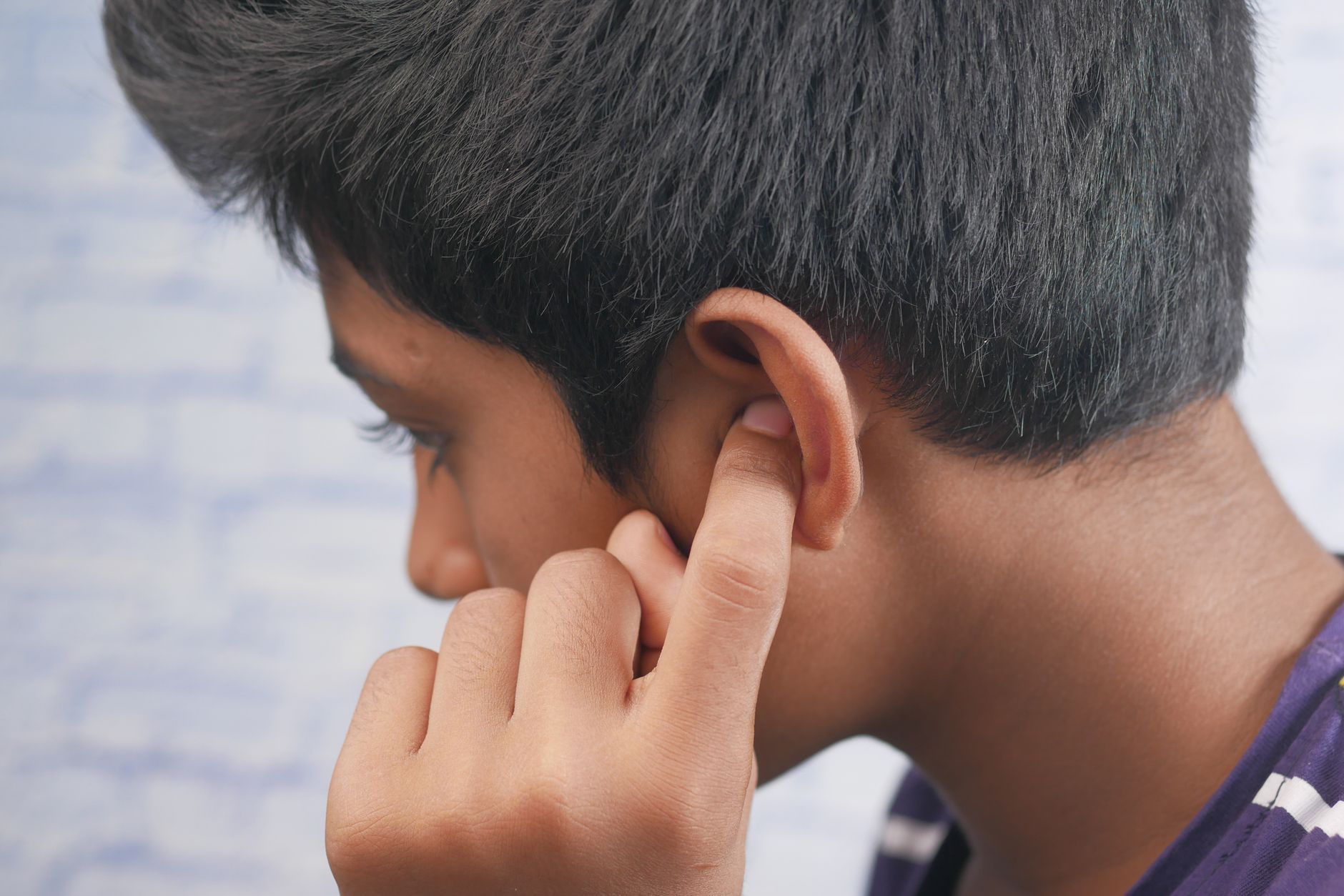
Have you ever heard a strange crackling or popping sound in your ear? It might sound like the familiar fizz of Rice Krispies when milk is added, and it can be quite unsettling. While occasional ear noises are normal, persistent crackling could indicate an underlying issue. This guide will help you understand the common reasons behind these sounds, what you can do about them, and when it's time to seek medical advice. We'll cover everything from simple earwax build-up to more complex conditions affecting your Eustachian tubes or jaw joint, all explained in a way that's easy for you to understand.
Your ears are complex organs, and sometimes they make sounds that don't quite make sense. A crackling sensation is one of those sounds. It's not usually painful, but it can be distracting and concerning. Let's break down the most frequent culprits behind this ear phenomenon.
Understanding the Eustachian Tube's Role
Think of your Eustachian tubes as tiny, essential passageways. You have one in each ear, connecting the middle ear to the back of your throat and nose. Their main jobs are to keep the air pressure in your middle ear balanced with the pressure outside your body and to prevent infections from creeping into the middle ear. Normally, these tubes stay closed but open up when you yawn, chew, or swallow. Ever felt that 'pop' in your ears on an airplane? That's your Eustachian tubes at work!
Eustachian tube dysfunction happens when these tubes don't open or close as they should. This malfunction can lead to that unsettling crackling or popping sensation. You might also feel a sense of pressure or fullness in your ear.
What Causes Eustachian Tube Dysfunction?
Several everyday factors can disrupt your Eustachian tubes:
- Upper Respiratory Tract Infections: Common colds, flu, or sinus infections can cause inflammation and swelling, blocking the tubes.
- Gastroesophageal Reflux Disease (GERD): Stomach acid backing up into the throat can irritate and inflame the Eustachian tube openings.
- Environmental Irritants: Exposure to cigarette smoke or air pollution can trigger inflammation.
- Sudden Pressure Changes: Activities like diving or even rapid changes in altitude can affect tube function.
When these tubes become inflamed or physically blocked, fluid can get trapped in the middle ear, creating a breeding ground for infections.
Middle Ear Infections (Acute Otitis Media)
An infection in the middle ear, known as acute otitis media, is more common in children but can affect adults too. It often follows a bout of Eustachian tube dysfunction. When the tubes are blocked, fluid builds up, and this stagnant fluid can easily become infected.
If you have a middle ear infection, besides crackling, you might experience:
- Swelling and inflammation within the ear.
- Fluid draining from the ear if the eardrum has a tear or rupture.
In children, symptoms can also include unusual irritability or excessive crying.
The Culprit: Earwax Buildup
Earwax, or cerumen, is a natural protective substance for your ear canal. It helps trap dust and debris and fights off infections. Usually, earwax travels out of the ear canal on its own. However, sometimes it can accumulate and form a blockage.
How does this happen?
- Probing: Using cotton swabs or other objects to clean your ears can push wax deeper, causing impaction.
- Overproduction: Some people naturally produce more earwax.
- Hearing Aids/Earbuds: These can sometimes interfere with the natural removal process.
When earwax builds up significantly, it can press against the eardrum or block the ear canal, leading to popping or crackling sounds. You might also notice muffled hearing or a feeling of blockage.
Jaw Joint Issues: Temporomandibular Joint Disorder (TMD)
Your jaw joint, called the temporomandibular joint (TMJ), connects your jawbone to your skull, located just in front of your ears. This complex joint allows for hinge-like and sliding movements of your jaw. A cartilage disc helps ensure smooth motion.
TMD occurs when there's injury or damage to this joint or the cartilage. Because the TMJ is so close to the ear, problems with this joint can sometimes manifest as ear symptoms, including crackling or popping sounds. Other signs of TMD might include jaw pain, clicking sounds when you open your mouth, or headaches.
A Real-Life Scenario
Priya, a 35-year-old graphic designer, started hearing a faint crackling in her right ear a few weeks ago. It was most noticeable when she chewed or yawned. She'd recently had a bad cold, and her ear felt a bit stuffy. Worried, she initially thought it was a serious infection, but after reading about Eustachian tube dysfunction, she realised her recent cold might be the cause. She decided to try some home remedies and monitor the situation before booking a doctor's appointment.
When to Seek Medical Help
While some causes of ear crackling can be managed at home, it's important to know when to consult a doctor. You should seek professional medical advice if:
- The crackling is persistent and doesn't improve.
- You experience significant hearing loss.
- You have severe ear pain or discharge.
- You notice dizziness or balance problems along with the crackling.
- You have a fever.
These symptoms could indicate a more serious condition that requires medical treatment.
Diagnosis and Treatment Options
A doctor will typically diagnose the cause of ear crackling through a physical examination and by discussing your symptoms and medical history. They may use an otoscope to look inside your ear canal and at your eardrum.
Treatments vary depending on the cause:
- Eustachian Tube Dysfunction: Treatment often focuses on addressing the underlying cause, like treating a cold or allergies. Sometimes, nasal decongestants or corticosteroid sprays might be recommended. Simple exercises like yawning or swallowing can also help.
- Middle Ear Infection: Bacterial infections may require antibiotics prescribed by your doctor. Viral infections usually resolve on their own.
- Earwax Buildup: A doctor can safely remove impacted earwax using special instruments or by flushing the ear. Over-the-counter ear drops can sometimes help soften the wax first. Never try to remove impacted wax yourself with sharp objects.
- TMD: Treatment may involve pain relievers, stress management techniques, physical therapy, or dental splints.
Preventing Ear Crackling
While not all causes are preventable, you can take steps to reduce your risk:
- Practice Good Hygiene: Avoid inserting objects into your ear canal. Clean the outer ear gently with a washcloth.
- Manage Colds and Allergies: Treat upper respiratory infections and allergies promptly to prevent Eustachian tube issues.
- Stay Hydrated: Drinking plenty of fluids can help keep mucus thin, aiding drainage.
- Avoid Irritants: Limit exposure to smoke and pollution.
- Manage Stress: If TMD is a concern, stress management techniques can be beneficial.
Frequently Asked Questions (FAQs)
Q1: Can stress cause crackling in the ears?
While stress doesn't directly cause physical changes leading to crackling, it can worsen conditions like TMD or increase muscle tension, which might indirectly contribute to ear sensations. Managing stress is beneficial for overall health.
Q2: Is crackling in the ear a sign of a serious problem?
Often, crackling is due to temporary issues like a cold or earwax. However, if it's persistent, accompanied by pain, hearing loss, or dizziness, it could signal a more serious condition like a middle ear infection or a TMJ disorder that needs medical attention.
Q3: How can I unblock my Eustachian tube?
Try swallowing, yawning, or chewing gum. The Valsalva maneuver (gently pinching your nose, closing your mouth, and trying to exhale softly) can also help, but do this cautiously. If these don't work or if you have an infection, consult your doctor.
Hearing a crackling sound in your ear can be a puzzling experience. By understanding the common causes – from simple earwax blockages and Eustachian tube issues to jaw joint problems – you can take appropriate steps. Pay attention to your symptoms, practice good ear care, and don't hesitate to consult a healthcare professional if the crackling persists or is accompanied by other concerning symptoms. Taking care of your ears is a vital part of maintaining your overall well-being.