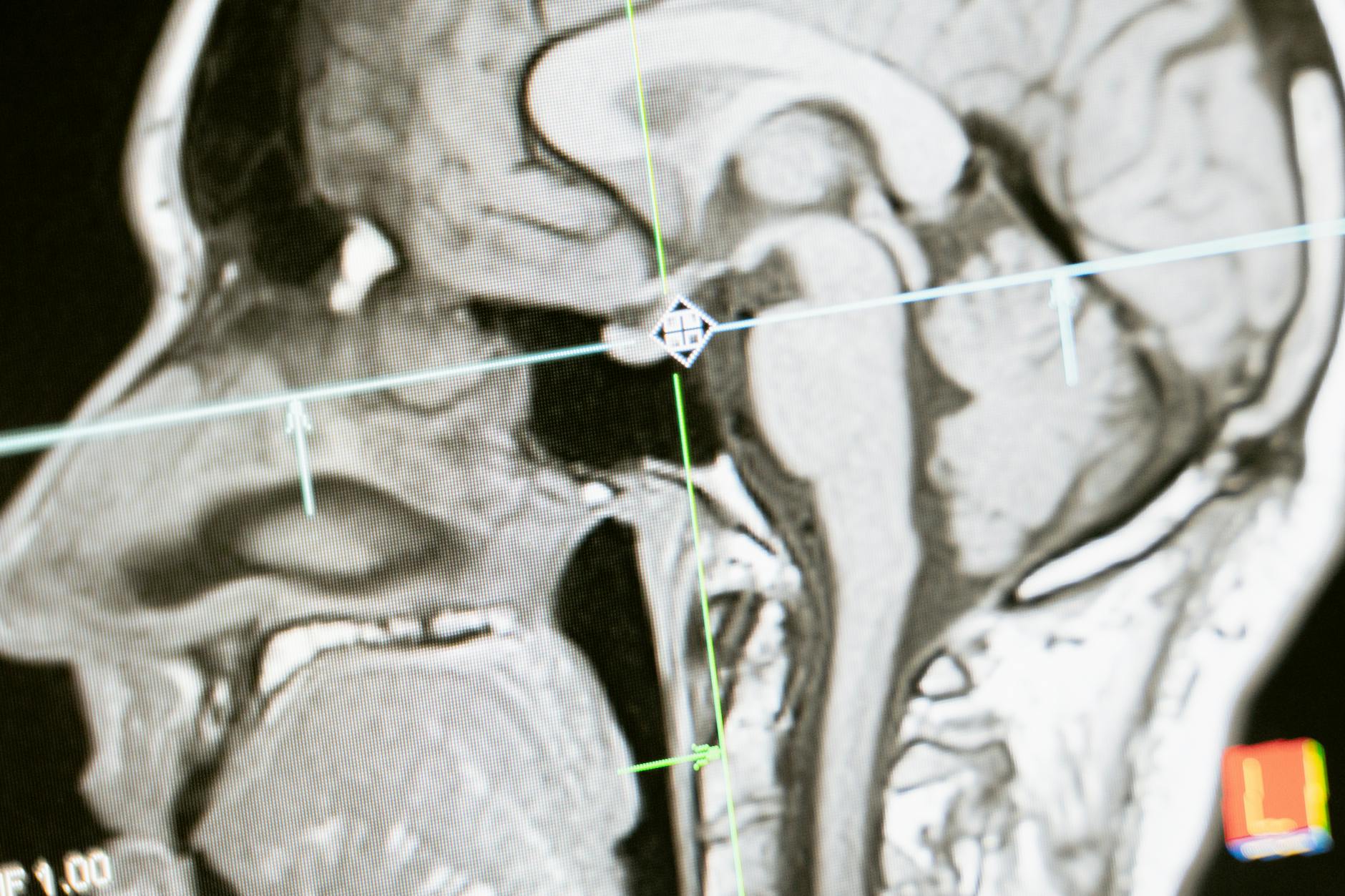
Understanding Craniopharyngioma and Pituitary Adenoma: A Comparative Guide The human brain is an incredibly complex organ, and within its intricate network, various types of tumors can develop. Among these are craniopharyngiomas and pituitary adenomas, two types of brain tumors that, while distinct, share some similarities, particularly in their location and potential impact on the body. For individuals in India, understanding these conditions is crucial for seeking timely diagnosis and appropriate treatment. This article aims to provide a clear, practical overview of craniopharyngiomas and pituitary adenomas, highlighting their differences, symptoms, causes, diagnosis, treatment, and prevention strategies. What are Craniopharyngiomas and Pituitary Adenomas? Both craniopharyngiomas and pituitary adenomas are generally considered benign, meaning they are noncancerous. However, their benign nature does not diminish their potential to cause significant health issues. Benign tumors can still exert pressure on surrounding brain structures as they grow, leading to a range of symptoms. The key distinction lies in where they originate and their specific characteristics. Craniopharyngiomas: Rare Tumors Near the Pituitary Gland Craniopharyngiomas are rare tumors that typically develop in the area near the pituitary gland and the hypothalamus, a critical region of the brain responsible for regulating many bodily functions, including hormone production and temperature. These tumors account for about 2-5% of all primary brain tumors and are more commonly diagnosed in children and adolescents (ages 5-14) and older adults (ages 50-74). While they are noncancerous, their location can lead to serious complications. Pituitary Adenomas: Tumors within the Pituitary Gland Pituitary adenomas, on the other hand, are tumors that form within the pituitary gland itself. The pituitary gland is a small, pea-sized gland located at the base of the brain that produces and releases hormones essential for various bodily processes, such as growth, metabolism, and reproduction. Pituitary adenomas are relatively common, estimated to affect about 175 in 100,000 people. Most are benign and grow slowly, but they can still cause problems by pressing on nearby structures or by overproducing or underproducing hormones. Similarities Between Craniopharyngiomas and Pituitary Adenomas Despite their different origins, these two types of tumors share several notable similarities: Location: Both tumors develop in close proximity to the pituitary gland, a critical endocrine and neurological center. Nature: The vast majority of both craniopharyngiomas and pituitary adenomas are benign (noncancerous). Potential for Compression: As they grow, both can press on surrounding brain structures, including the optic nerves (leading to vision problems) and other vital parts of the brain. Hormonal Imbalances: Both can disrupt the normal function of the pituitary gland, leading to a variety of hormonal deficiencies or excesses. Treatment Approaches: Surgical removal is often a primary treatment option for both, sometimes followed by radiation therapy. Key Differences: Craniopharyngioma vs. Pituitary Adenoma The primary difference lies in their origin and specific characteristics: Origin: Craniopharyngiomas arise from remnants of embryonic tissue near the pituitary gland, while pituitary adenomas develop from the cells of the pituitary gland itself. Rarity: Craniopharyngiomas are significantly rarer than pituitary adenomas. Age Groups: Craniopharyngiomas have a bimodal age distribution, affecting children and older adults, whereas pituitary adenomas are more commonly diagnosed in middle-aged adults. Cancerous Potential: While both are typically benign, pituitary adenomas are very rarely cancerous, whereas craniopharyngiomas are almost always benign. Symptoms to Watch For The symptoms of both craniopharyngiomas and pituitary adenomas can overlap due to their proximity and impact on the pituitary gland and surrounding structures. However, some symptoms may be more indicative of one over the other. Symptoms of Craniopharyngioma When a craniopharyngioma grows large, it can press on nearby structures, leading to: Vision problems: Blurred vision, double vision, or loss of peripheral vision due to pressure on the optic chiasm. Headaches: Persistent and severe headaches. Hormonal Deficits: These are very common and can include: Growth hormone deficiency (leading to stunted growth in children). Deficits in other pituitary hormones affecting metabolism, thyroid function, adrenal function, and reproductive health. Neurological issues: Nausea, vomiting, and balance problems if the tumor affects the hypothalamus or other brain areas. Obesity: Due to disruption of appetite regulation by the hypothalamus. Symptoms of Pituitary Adenoma Symptoms of pituitary adenomas depend on whether they are functioning (producing excess hormones) or non-functioning (not producing excess hormones) and their size: Hormonal Imbalances: Excess Prolactin: Irregular periods, infertility, and milky discharge from the nipples (galactorrhea) in women; decreased libido and erectile dysfunction in men. Excess Growth Hormone: Acromegaly (enlarged hands, feet, and facial features) in adults; gigantism (excessive height) in children. Excess ACTH: Cushing’s disease (weight gain, high blood pressure, diabetes, thinning skin). Excess TSH: Hyperthyroidism (weight loss, rapid heart rate, anxiety). Hormone Deficiencies: Can also occur if the tumor damages the pituitary gland, leading to symptoms similar to those seen in craniopharyngioma, such as fatigue, weight changes, and reproductive issues. Vision problems: Similar to craniopharyngiomas, pressure on the optic nerves can cause visual disturbances. Headaches: Often present, especially with larger tumors. Other symptoms: Fatigue, unexplained weight changes, and changes in menstrual cycles. Causes and Risk Factors The exact causes of both craniopharyngiomas and pituitary adenomas are not fully understood. However, some factors are known: Craniopharyngiomas: Have no known causes or specific risk factors. They are thought to arise from developmental remnants. Pituitary Adenomas: The cause is largely unknown. A family history is observed in about 5% of cases, suggesting a potential genetic predisposition in some individuals. Diagnosis Diagnosing these conditions typically involves a combination of medical history, neurological examination, and imaging tests: Medical History and
In summary, timely diagnosis, evidence-based treatment, and prevention-focused care improve long-term health outcomes.