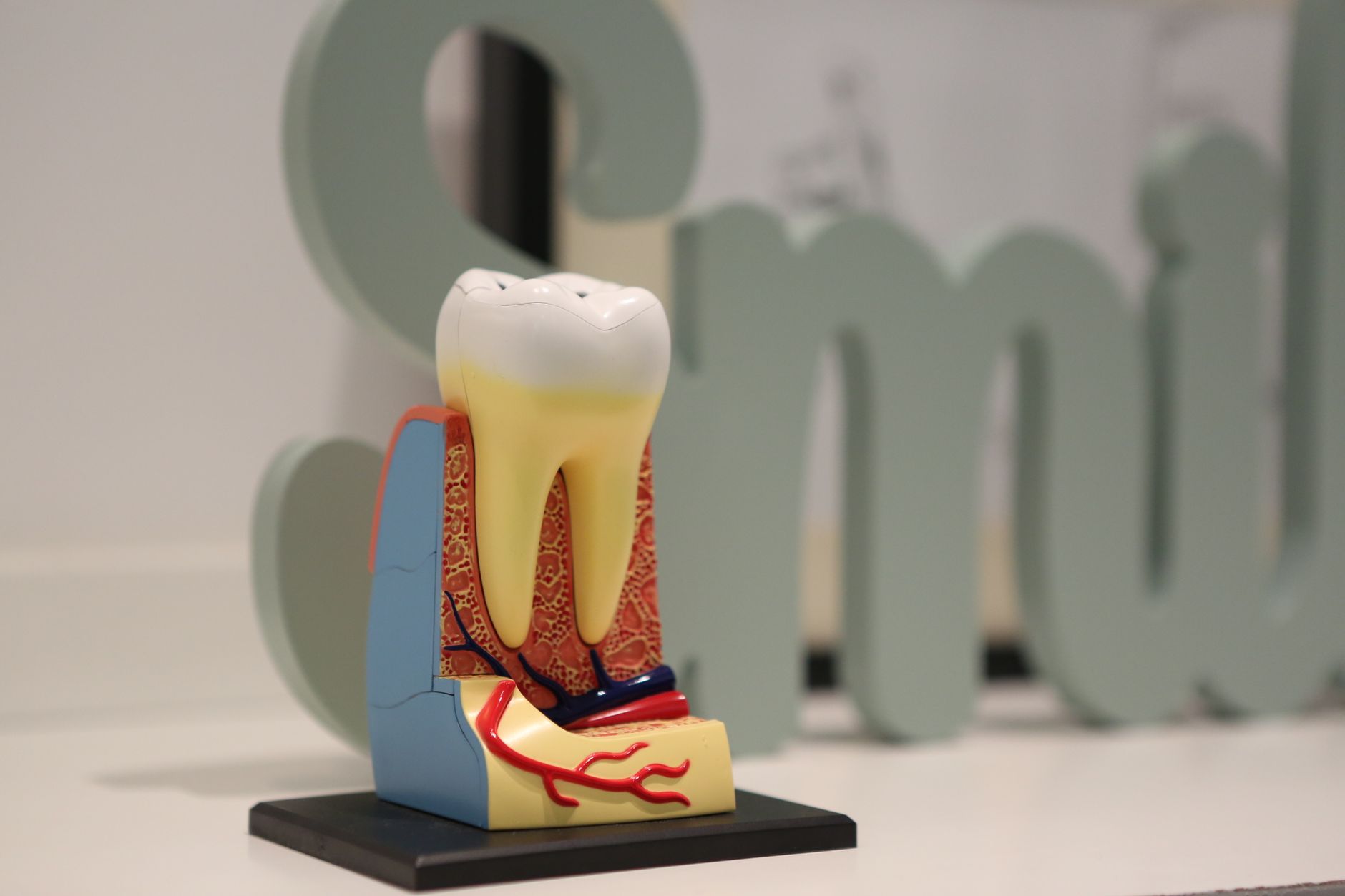
A deep bite, also known medically as a severe overbite, is a common dental condition where your upper front teeth overlap your lower front teeth more than is considered normal. While many people associate dental issues primarily with appearance, a deep bite can extend far beyond aesthetics, potentially leading to a range of oral health problems and even impacting your overall well-being. If you've noticed your upper teeth significantly covering your lower teeth when you close your mouth, it's worth understanding what a deep bite is, why it happens, and why seeking professional advice is important. In India, where traditional smiles are cherished, the perception of a 'perfect' smile often includes well-aligned teeth. However, beyond the visual appeal, the functional aspect of your bite is paramount. A deep bite isn't just about how your teeth look; it’s about how they work together. When this alignment is significantly off, it can create a cascade of issues that affect not only your teeth and gums but also your jaw and even your ability to speak and eat comfortably. Consider the common scenario of a young professional, Priya, who often feels self-conscious about her smile. She notices that when she smiles broadly, her lower teeth are barely visible. Initially, she dismissed it as a minor cosmetic flaw, something that could be fixed with braces if she ever decided to pursue it. However, lately, she's been experiencing persistent jaw pain and has noticed some of her front teeth appear worn down. This is where a deep bite shifts from a cosmetic concern to a potential health issue that needs attention. Understanding What Constitutes a Deep Bite Your front teeth are designed to meet or slightly overlap the lower front teeth when your jaw is closed. Generally, it's considered normal for the upper front teeth to cover about 2 to 4 millimeters of the lower front teeth. When this overlap exceeds 4 millimeters, or when the lower front teeth are completely hidden by the upper teeth, it is classified as a deep bite. This condition is a type of malocclusion, which is the technical term for a misalignment of your teeth and jaw. Malocclusions can affect your molars as well as your front teeth, impacting the overall harmony of your bite. Common Causes of a Deep Bite Several factors can contribute to the development of a deep bite. Understanding these causes can help in early identification and management: Genetics and Jaw Development: The shape and size of your jawbones play a significant role. If your upper jaw is disproportionately larger than your lower jaw, or if your lower jaw is set too far back, it can lead to a deep bite. This is often inherited. Tooth Eruption Patterns: Sometimes, the way permanent teeth erupt can influence bite alignment. If there isn't enough space in the jaw for all the permanent teeth, they may erupt in a way that contributes to a deep bite. Habits and Oral Motor Behaviors: Certain habits, especially during childhood, can affect jaw and tooth alignment. These include prolonged thumb-sucking, tongue thrusting (pushing the tongue against the front teeth), or grinding your teeth (bruxism). Teeth Grinding and Jaw Clenching: Chronic teeth grinding (bruxism) or jaw clenching can lead to the wearing down of the front teeth, effectively increasing the overlap and creating or worsening a deep bite. Loss of Posterior Teeth: If back teeth are lost and not replaced, the remaining teeth can shift. This shifting can cause the front teeth to drift forward and the bite to deepen. Muscle Imbalances: The muscles that control your jaw movement can also influence bite alignment. Imbalances in these muscles can contribute to malocclusion. The Hidden Dangers: Complications of an Untreated Deep Bite Leaving a deep bite unaddressed can lead to a surprising number of health complications, impacting your oral health and beyond. It's not just about the look; it's about the function and integrity of your dental structures. Oral Health Issues: Tooth Wear and Damage: The most common issue is excessive wear on the lower front teeth. These teeth constantly rub against the back of the upper teeth, leading to enamel erosion, chipping, and even fractures over time. Gum Recession and Bone Loss: The constant pressure from the upper teeth on the lower gums can cause gum recession, exposing the tooth roots. This can also lead to bone loss around the teeth, making them loose and susceptible to periodontal disease. Jaw Pain and Temporomandibular Joint (TMJ) Disorders: A deep bite can strain the temporomandibular joint (TMJ), the hinge that connects your jaw to your skull. This strain can result in pain in the jaw, face, and neck, headaches, and clicking or popping sounds when opening or closing your mouth. Sores on the Roof of the Mouth: The sharp edges of the worn-down lower front teeth can repeatedly irritate and cut the gum tissue on the roof of your mouth (palate), leading to painful sores and inflammation. Difficulty Chewing and Speaking: In severe cases, a deep bite can affect your ability to chew food properly, leading to digestive issues. It can also sometimes affect speech, causing a lisp or difficulty enunciating certain sounds. Increased Risk of Cavities: Worn enamel and receding gums make teeth more vulnerable to decay. Beyond the Mouth: While less direct, chronic jaw pain and discomfort associated with TMJ disorders can impact your quality of life, affecting sleep and overall comfort. Diagnosing a Deep Bite If you suspect you have a deep bite, the first step is to consult a dental professional, typically an orthodontist or a general dentist. The diagnostic process usually involves: Visual Examination: Your dentist will examine your teeth and jaw alignment, observing how your upper and lower teeth meet when you close your mouth. Dental X-rays: These images help assess the position of your teeth, the health of your jawbone, and the relationship between your teeth and jaw. Dental Impressions or Scans: Molds of your teeth or digital scans are taken to create a precise 3D model of your mouth. This allows for detailed analysis of your bite and planning of treatment. Facial Analysis: In some cases, your dentist may analyze your facial profile to understand how your bite affects your overall facial structure. Treatment Options for Deep Bites Fortunately, a deep bite is treatable, and the best approach depends on the severity of the condition, your age, and any associated dental issues. Your dentist or orthodontist will develop a personalized treatment plan. Orthodontic Treatments: These are the most common methods used to correct deep bites: Braces: Traditional metal braces, ceramic braces, or lingual braces (placed behind the teeth) use brackets and wires to gradually move teeth into their correct positions. They are highly effective for correcting complex bite issues. Clear Aligners (e.g., Invisalign): These custom-made, transparent trays are worn sequentially to gradually straighten teeth and correct bite problems. They offer a more discreet option, especially for adults. Retainers: After active orthodontic treatment, retainers (removable or fixed) are crucial for maintaining the corrected position of your teeth and bite. Some types of retainers may also be used in milder cases to help adjust the bite. Dental Appliances and Restorations: Bonding or Crowns: For teeth that have been significantly worn down, dentists may use bonding (applying a tooth-colored resin) or crowns (caps) to restore their shape and function. This can sometimes help improve bite depth. Orthodontic Appliances: Special appliances, such as bite planes or ramps, can be used in conjunction with other treatments to help control how the upper and lower teeth contact each other, promoting bite correction. Tooth Extraction: In some severe cases, particularly where there's crowding or a significant discrepancy in jaw size, removing certain teeth might be necessary to create space and allow for proper alignment of the remaining teeth. This is carefully considered and planned by the orthodontist. Surgical Interventions: For very severe deep bites caused by significant jaw bone discrepancies, orthognathic surgery (jaw surgery) may be recommended. This procedure repositions the upper and/or lower jaw to achieve a balanced bite and facial structure. It's typically considered for adults or older teenagers whose jaw growth is complete. When to Consult a Doctor It's advisable to consult a dentist or orthodontist if you experience any of the following: Noticeable overlap of your upper teeth over your lower teeth (more than 4mm). Pain in your jaw, face, or neck. Difficulty chewing or biting food. Visible wear or chipping on your front teeth. Frequent sores on the roof of your mouth. Your lower teeth are not visible when you smile or speak. Early intervention can prevent more serious complications and lead to a more straightforward treatment process. Preventing a Deep Bite While some causes of deep bite, like genetics, are beyond our control, certain preventive measures can be taken, particularly in childhood: Discourage Prolonged Thumb-Sucking and Pacifier Use: Limit these habits after the age of 3, as they can significantly impact tooth and jaw development. Address Tongue Thrusting: If your child pushes their tongue against their teeth, seek
In summary, timely diagnosis, evidence-based treatment, and prevention-focused care improve long-term health outcomes.