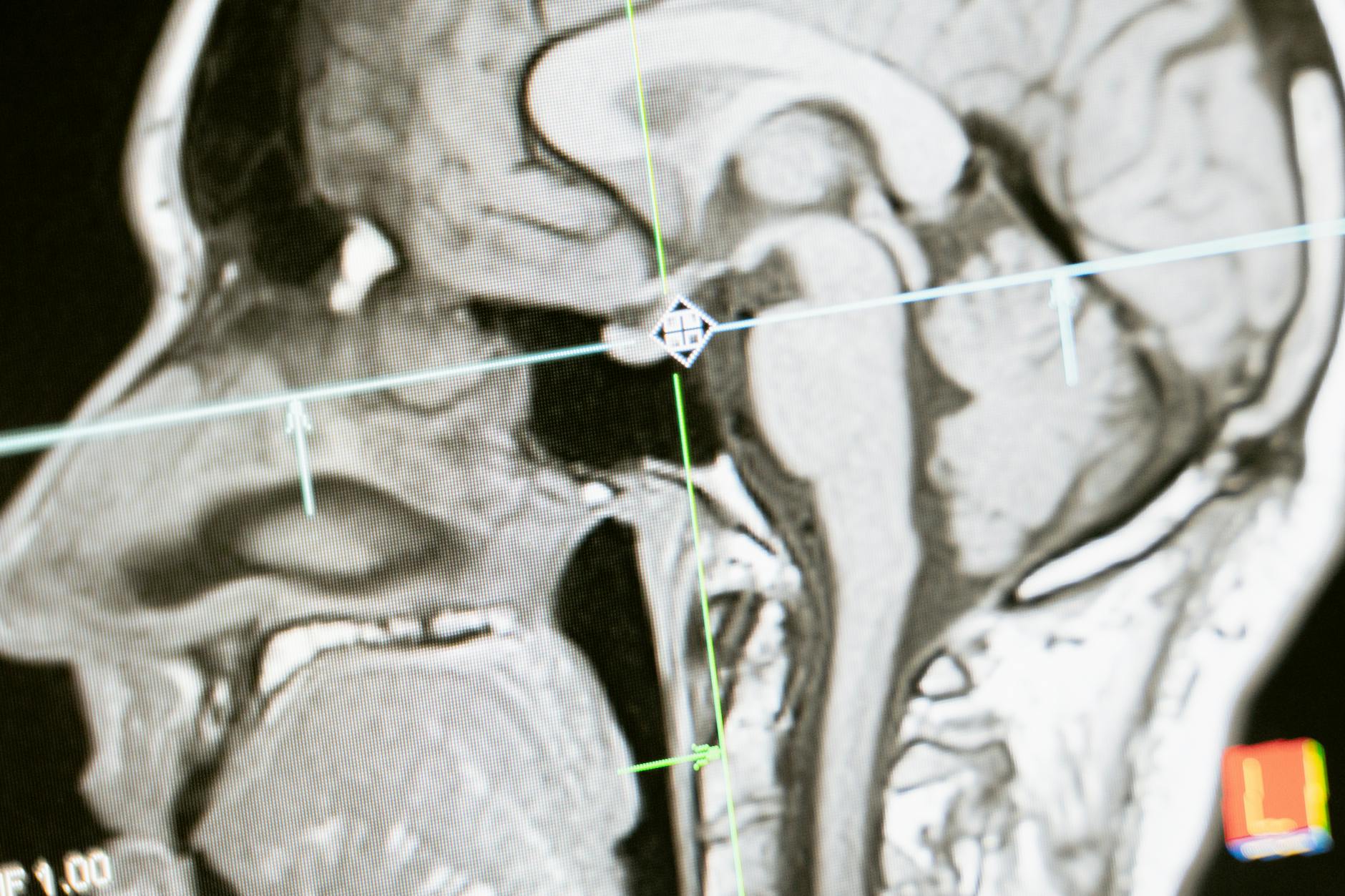
Understanding Deep Brain Stimulation (DBS) for Parkinson's Disease
Parkinson's disease is a progressive neurological disorder that primarily affects movement. It is characterized by symptoms such as tremors, rigidity, slowness of movement, and postural instability. While medications that boost dopamine levels can help manage these symptoms, their effectiveness often diminishes over time. For individuals whose symptoms are no longer adequately controlled by medication, Deep Brain Stimulation (DBS) surgery presents a significant treatment option. This article delves into the success rates of DBS for Parkinson's disease, its benefits, potential risks, and who might be a suitable candidate.
What is Deep Brain Stimulation?
Deep Brain Stimulation (DBS) is a surgical procedure that involves implanting a small, battery-operated device, known as a neurostimulator, into the brain. This device sends electrical impulses to specific areas of the brain that are affected by Parkinson's disease. These electrical impulses help to regulate abnormal brain activity, thereby alleviating motor symptoms such as tremors, stiffness, and slowness of movement. The neurostimulator is typically implanted in the chest or abdomen, with wires running under the skin to the brain.
Success Rates of DBS for Parkinson's Disease
The success of DBS for Parkinson's disease is evaluated based on several factors, including its effectiveness in managing motor symptoms, improving quality of life, and potentially influencing the progression of the disease. Research indicates a generally positive outlook:
- Symptom Management: Numerous studies have demonstrated that DBS is effective in managing the motor symptoms of Parkinson's disease. A significant study from 2019, which followed approximately 200 participants who underwent DBS for over a decade, found that 75% of participants reported that the procedure helped them manage their symptoms effectively. This highlights the long-term benefit of DBS in providing relief from debilitating motor issues.
- Reduced Medication Dependence: In some cases, DBS can reduce the need for Parkinson's medications. A small study in 2020 observed participants for five years and found that DBS helped decrease the reliance on medication, indicating its efficacy in symptom control.
- Improved Survival Rates: A 2014 study involving about 100 individuals with severe Parkinson's disease showed a clear improvement in survival rates among those who received DBS. While the exact mechanisms are still being investigated, this suggests a profound impact on overall health and longevity for some patients.
- Slowing Disease Progression: While DBS does not cure Parkinson's disease or necessarily stop its progression entirely, it is generally considered capable of slowing down the rate at which symptoms worsen. Studies, including one from 2018, suggest that this effect might be more pronounced when DBS is performed earlier in the disease course.
When is DBS Considered?
DBS is typically considered for individuals who have been diagnosed with Parkinson's disease for approximately 4 years and whose symptoms are no longer adequately managed by medication. However, research is also exploring the benefits of earlier intervention. Some studies suggest that performing DBS earlier, even between 6 months and 4 years after diagnosis, can lead to significant symptom control and reduced medication needs.
Potential Downsides and Risks of DBS
Despite its benefits, DBS is a surgical procedure and carries potential risks and downsides:
- Surgical Risks: As with any brain surgery, there are risks such as bleeding, infection, stroke, and hardware complications.
- Side Effects: Some individuals may experience side effects such as speech problems, cognitive changes, mood disturbances, or balance issues. These can often be managed by adjusting the stimulation settings.
- Cost: The initial surgery and ongoing management of DBS can be expensive. A 2016 review estimated the cost to be around $35,000 per year for about five years, and insurance coverage can vary.
- Not for Everyone: DBS is not a suitable treatment for all individuals with Parkinson's disease. Factors such as the presence of certain symptoms (e.g., severe cognitive impairment or gait freezing) may make it less effective or increase the risk of complications.
- Low Uptake: Despite its potential benefits, the percentage of people with Parkinson's disease who actually receive DBS is relatively low. A 2015 study estimated that only about 2% of eligible individuals underwent the procedure, although the true percentage might be higher.
Who is a Good Candidate for DBS?
An ideal candidate for DBS typically:
- Has been diagnosed with Parkinson's disease and experiences motor fluctuations or troublesome dyskinesias (involuntary movements) that are not well-controlled by medication.
- Responds well to levodopa (a common Parkinson's medication), indicating that their motor symptoms can be improved by dopamine replacement.
- Is generally in good health and can undergo brain surgery.
- Does not have severe cognitive impairment or psychiatric conditions that could be exacerbated by DBS.
- Has had Parkinson's for fewer than 4 years (though earlier intervention is being studied).
When to Consult a Doctor
If you or a loved one has Parkinson's disease and are experiencing:
- Symptoms that are no longer adequately controlled by your current medications.
- Significant motor fluctuations, such as periods of good mobility followed by periods of stiffness and slowness.
- Troublesome involuntary movements (dyskinesias) that interfere with daily life.
- Concerns about the long-term management of Parkinson's disease.
It is crucial to discuss the potential benefits and risks of Deep Brain Stimulation with your neurologist or movement disorder specialist. They can assess your individual situation and determine if DBS is a viable treatment option for you.
Frequently Asked Questions (FAQ)
-
Does DBS cure Parkinson's disease?
No, DBS does not cure Parkinson's disease. It is a treatment that helps manage the motor symptoms of the disease, improving quality of life for many individuals.
-
How long do the effects of DBS last?
DBS is intended to provide long-term symptom management. The effects can last for many years, although the stimulation settings may need to be adjusted over time as the disease progresses.
-
Can DBS be turned off?
Yes, the neurostimulator can be turned off if necessary, for example, if there are significant side effects or if the patient needs to undergo certain medical imaging procedures like MRI (though MRI-compatible systems are available).
-
Is DBS painful?
The implantation surgery is performed under anesthesia, so you will not feel pain during the procedure. After surgery, some discomfort is expected, which can be managed with pain medication. Once the device is active, most patients do not feel the electrical stimulation itself.
-
What is the success rate of DBS for tremors?
DBS is particularly effective at reducing tremors, often leading to significant improvement in this symptom for many patients.
Disclaimer: This information is for educational purposes only and does not constitute medical advice. Always consult with a qualified healthcare professional for any health concerns or before making any decisions related to your health or treatment.