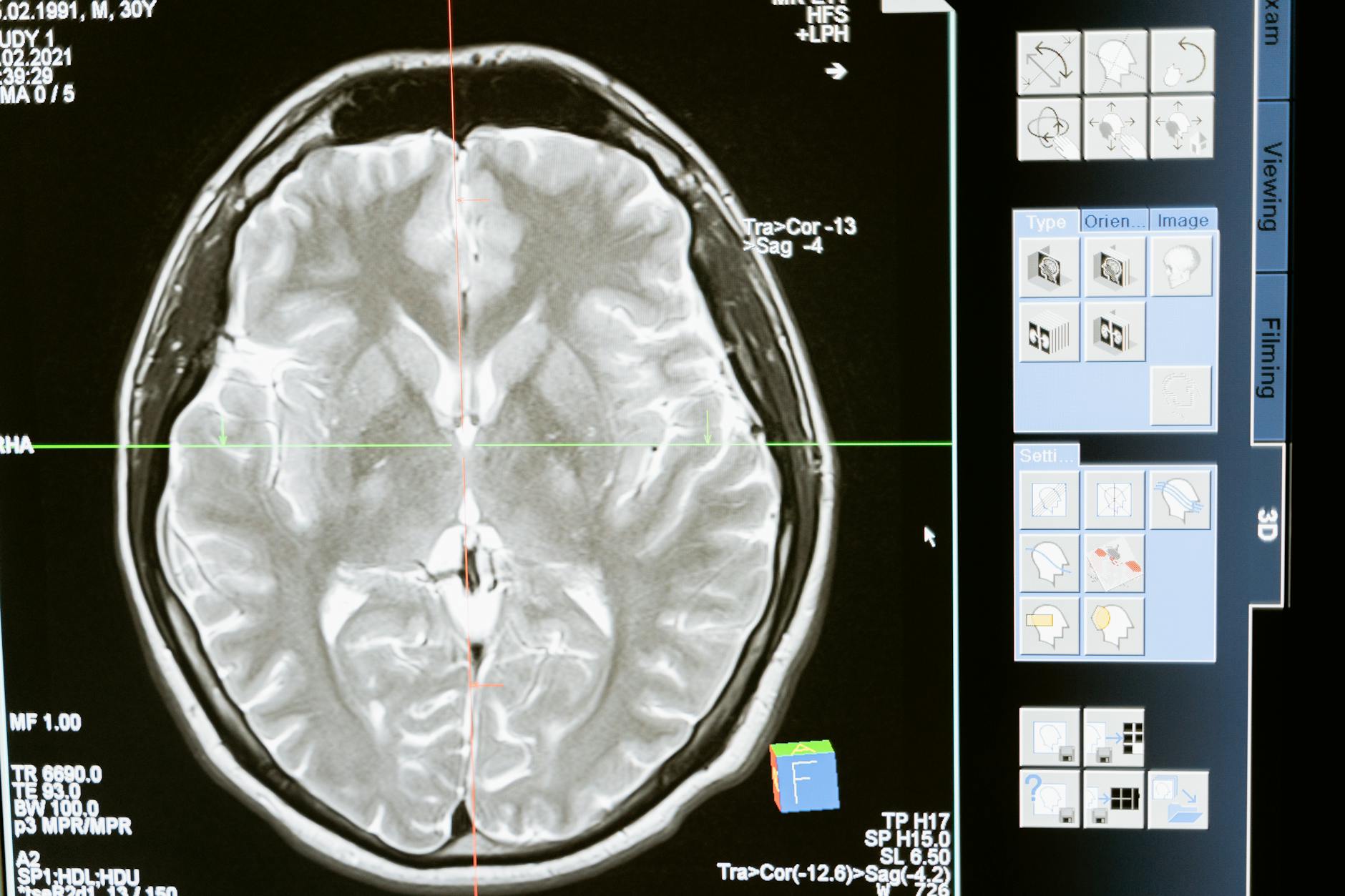
Diabetes insipidus is a rare disorder that affects your body's ability to maintain its water balance. While not related to the common diabetes mellitus, it can lead to significant health issues if not managed properly. In India, where water scarcity can be a concern in some regions and access to specialized medical care varies, understanding such conditions is crucial. This article delves into a specific, less common form: dipsogenic diabetes insipidus, exploring its unique characteristics, potential causes, tell-tale symptoms, diagnostic approaches, and the challenges in its treatment. What is Dipsogenic Diabetes Insipidus? Dipsogenic diabetes insipidus is a subtype of diabetes insipidus characterized by abnormalities in the hypothalamus, the part of the brain that regulates thirst. This leads to an overwhelming and persistent feeling of thirst, often referred to as polydipsia. Unlike other forms of diabetes insipidus, the primary issue here isn't with the production or response to the antidiuretic hormone (ADH), but rather with the body's internal 'thirst thermostat' being set too high. The condition affects approximately 1 in 25,000 people. If left untreated, it can lead to severe dehydration and dangerous imbalances in electrolytes, such as sodium, which are vital for nerve and muscle function. How is it Different from Other Types of Diabetes Insipidus? It's important to distinguish dipsogenic diabetes insipidus from other forms: Central Diabetes Insipidus: This occurs when the hypothalamus doesn't produce enough ADH, or the pituitary gland doesn't release it properly. ADH signals the kidneys to conserve water. Nephrogenic Diabetes Insipidus: Here, the kidneys don't respond correctly to ADH, even if it's produced in sufficient amounts. This can be due to genetic factors, kidney damage, or certain medications. Gestational Diabetes Insipidus: This temporary form can occur during pregnancy when enzymes from the placenta break down ADH faster than usual. In dipsogenic diabetes insipidus, the body's handling of ADH is generally normal. The problem lies in the brain's perception of thirst, leading to excessive water intake and, consequently, excessive urination. Potential Causes of Dipsogenic Diabetes Insipidus Damage or dysfunction in the hypothalamus is the root cause. Several factors can contribute to this: Head Injuries: Significant trauma to the head can affect hypothalamic function. Brain Surgery: Procedures involving the brain, particularly near the hypothalamus or pituitary gland, can sometimes lead to this condition. Brain Tumors: Tumors located in or pressing on the hypothalamus can disrupt its normal activity. Brain Infections: Infections like meningitis or encephalitis can inflame and damage the hypothalamus. Certain Medications: Some drugs, particularly those affecting the central nervous system, might play a role. Psychiatric Conditions: In some cases, severe psychiatric disorders have been associated with altered thirst regulation. Symptoms to Watch For The hallmark symptom of dipsogenic diabetes insipidus is an intense, unquenchable thirst. This often leads to: Excessive Water Intake: Constantly drinking large volumes of water throughout the day and night. Frequent Urination: As the body tries to excrete the excess fluid, you'll find yourself needing to urinate very often, including multiple times during the night (nocturia). Pale Urine: The urine is typically very dilute and pale in colour due to the high water content. Dehydration: Despite drinking a lot, if the body's water balance is severely disrupted, dehydration can still occur, leading to symptoms like dry mouth, fatigue, and dizziness. Electrolyte Imbalances: Overhydration can dilute essential electrolytes like sodium, leading to confusion, headaches, nausea, and in severe cases, seizures or coma. Fatigue and Difficulty Concentrating: Frequent nighttime urination disrupts sleep, leading to daytime tiredness and impaired cognitive function. Mood Changes: The constant discomfort and sleep deprivation can affect mood, leading to irritability or other emotional disturbances. Diagnosis: How Doctors Identify the Condition Diagnosing dipsogenic diabetes insipidus involves a series of tests to rule out other conditions and confirm the specific issue: Medical History and Physical Examination: The doctor will ask about your symptoms, fluid intake, and urination patterns. Blood Tests: These are crucial to measure levels of glucose, sodium, potassium, calcium, and other electrolytes. They also check kidney function and hormone levels, including ADH. Urine Tests: Analyzing urine helps determine its concentration (osmolality) and volume, looking for signs of excessive dilution. Water Deprivation Test: This test is performed under strict medical supervision. It involves restricting fluid intake to see how the body concentrates urine. In dipsogenic diabetes insipidus, the body may continue to produce dilute urine despite dehydration, and the thirst sensation remains intense. MRI Scan: An MRI of the brain may be ordered to visualize the hypothalamus and pituitary gland, looking for any structural abnormalities like tumors or signs of injury. Treatment Challenges and Management Strategies Treating dipsogenic diabetes insipidus is notoriously challenging because the underlying issue is a misregulation of thirst perception. Unlike other forms where medication can directly address hormone levels or kidney response, here the focus is on managing symptoms and preventing complications. Fluid Management: The primary strategy is to encourage a consistent, adequate fluid intake to prevent dehydration, but without causing dangerous overhydration. This requires careful monitoring and often involves setting drinking schedules. Addressing Underlying Causes: If a specific cause like a tumor or infection is identified, treating that condition may help improve hypothalamic function. Medications: While there's no single cure, certain medications might be used cautiously to help manage symptoms or address associated issues. For instance, some antipsychotic medications have been found to reduce excessive water intake in some individuals, though their use requires careful consideration of side effects. Behavioral Therapy: For cases linked to psychiatric
In summary, timely diagnosis, evidence-based treatment, and prevention-focused care improve long-term health outcomes.