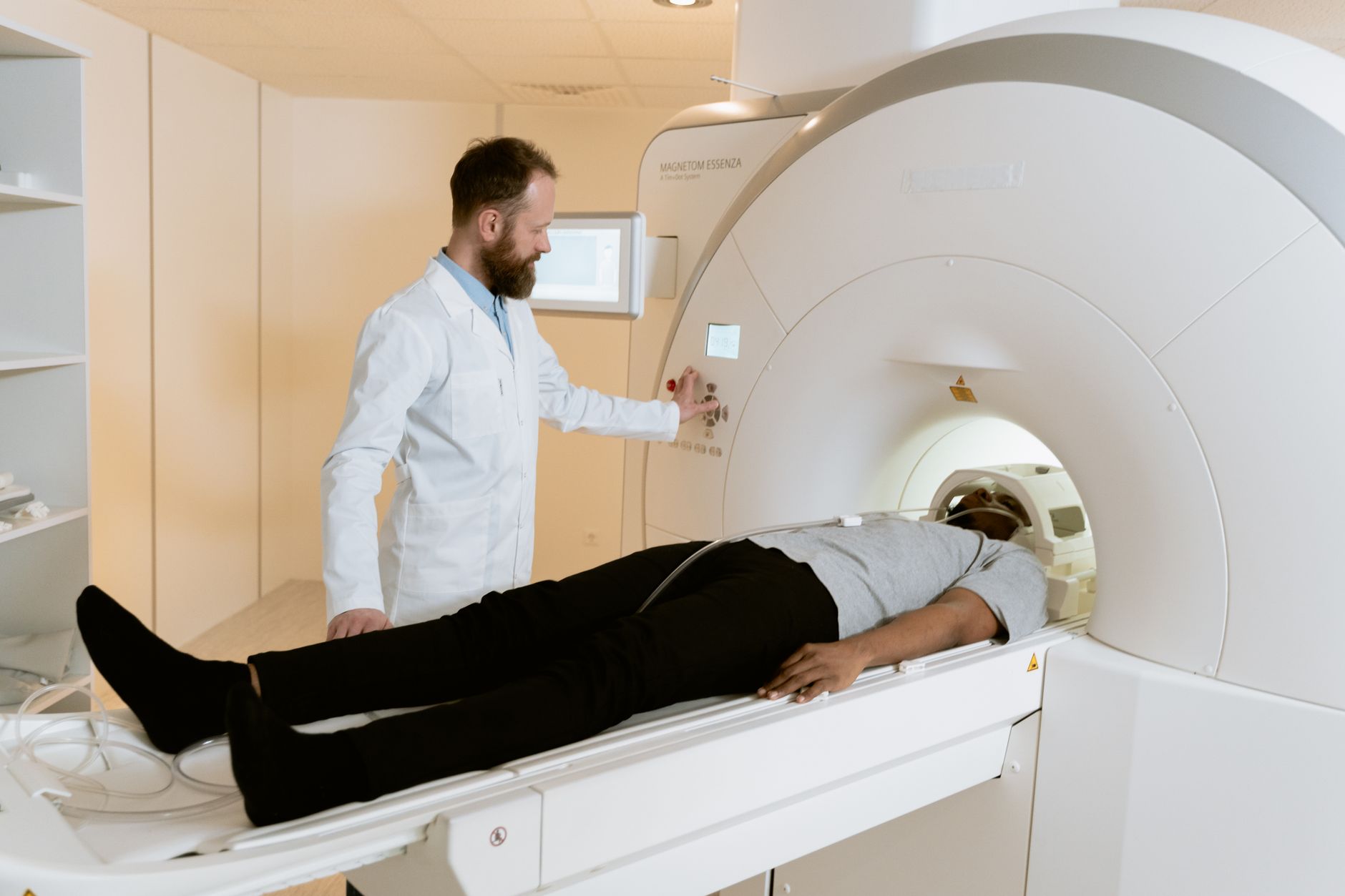
Understanding Early Onset Alzheimer's Disease: Genetics and Lifestyle Early onset Alzheimer's disease (EOAD), also known as younger onset Alzheimer's, is a form of the disease that affects individuals before the age of 65. While Alzheimer's is more commonly associated with older adults, EOAD presents unique challenges and often has different contributing factors. This blog post delves into the complex interplay of genetics, lifestyle, and other risk factors that can lead to the development of early onset Alzheimer's disease, providing insights relevant to individuals and families in India. The Role of Genetics in Early Onset Alzheimer's Genetics plays a significant role in a subset of early onset Alzheimer's cases. While most cases of Alzheimer's disease are considered sporadic, meaning they occur randomly, EOAD can sometimes be directly inherited. There are two main categories of genes associated with Alzheimer's: risk genes and deterministic genes. Risk Genes Risk genes increase a person's likelihood of developing Alzheimer's disease but do not guarantee it. One of the most well-studied risk genes is the apolipoprotein E (APOE) gene, particularly the APOE ε4 variant. Having one or two copies of APOE ε4 can increase the risk of developing Alzheimer's, including EOAD. However, it's crucial to understand that possessing this gene does not mean a person will inevitably develop the disease, and many people without it can still develop Alzheimer's. Deterministic Genes In rarer cases, early onset Alzheimer's is caused by deterministic genes. These are gene mutations that directly cause the disease. There are three known rare single-gene mutations that are considered deterministic for EOAD: Amyloid Precursor Protein (APP) gene: Located on chromosome 21. Presenilin 1 (PSEN1) gene: Located on chromosome 14. This is the most common cause of deterministic EOAD. Presenilin 2 (PSEN2) gene: Located on chromosome 1. If an individual inherits a mutation in one of these genes, they have a very high probability of developing early onset Alzheimer's disease, often in their 30s, 40s, or 50s. These genetic mutations are typically inherited in an autosomal dominant pattern, meaning only one copy of the altered gene is needed to cause the condition. Beyond Genetics: Lifestyle and Other Risk Factors It's important to note that genetics is not the sole determinant of early onset Alzheimer's. Lifestyle factors and other health conditions can also contribute to the risk, even in the absence of a direct genetic link. For individuals in India, understanding these factors is crucial for proactive health management. Key Lifestyle Risk Factors Include: Chronic Health Issues: Conditions such as high blood pressure (hypertension), diabetes, high cholesterol, and hearing loss have been linked to an increased risk of cognitive decline and dementia, including EOAD. Managing these conditions effectively is paramount. Physical Inactivity: A sedentary lifestyle is associated with a higher risk. Regular physical activity is beneficial for overall brain health. Smoking: Current smoking is a significant risk factor. Quitting smoking can help mitigate this risk. Sleep Disorders and Insufficient Sleep: Poor sleep quality or conditions like sleep apnea can negatively impact brain health and may increase the risk of Alzheimer's. Diet: While not as directly linked as other factors for EOAD, a balanced and nutritious diet is generally recommended for brain health. Diagnosis of Early Onset Alzheimer's Disease Diagnosing early onset Alzheimer's can be challenging, as symptoms may be mistaken for stress, depression, or other age-related cognitive changes. A comprehensive diagnostic process typically involves: Medical History: A detailed review of the patient's symptoms, family history, and overall health. Neurological Examination: To assess reflexes, coordination, balance, and sensory function. Cognitive and Neuropsychological Tests: These tests evaluate memory, thinking, reasoning, and language skills. Brain Imaging: Techniques like MRI or PET scans may be used to rule out other conditions (like strokes or tumors) and to look for changes in the brain associated with Alzheimer's. Genetic Testing: In cases where a strong family history or suspicion of deterministic genes exists, genetic testing can be performed. However, it's important to discuss the implications of genetic testing with a healthcare professional, as it can have significant emotional and familial consequences. Currently, there isn't a single genetic test that can definitively diagnose Alzheimer's disease, but tests can help assess risk or identify specific mutations. Treatment and Management Currently, there is no cure for Alzheimer's disease, including the early onset form. However, various treatments and management strategies can help alleviate symptoms and improve quality of life: Medications: Certain medications can help manage cognitive symptoms and behavioral changes. Therapies: Cognitive stimulation therapy, occupational therapy, and speech therapy can assist in maintaining daily function. Lifestyle Modifications: Encouraging a healthy diet, regular exercise, adequate sleep, and social engagement can support brain health. Support Systems: Connecting with support groups for patients and caregivers is invaluable for emotional and practical assistance. When to Consult a Doctor If you or a loved one experiences persistent memory problems, confusion, difficulty with familiar tasks, or changes in personality and behavior, it is essential to seek medical advice promptly. This is especially true if there is a family history of early onset Alzheimer's disease. Early diagnosis and intervention can lead to better management of symptoms and access to support services. Prevention Strategies While not all cases of EOAD are preventable, adopting a brain-healthy lifestyle can significantly reduce the risk of developing dementia, including Alzheimer's disease: Manage Chronic Conditions: Keep conditions like high blood pressure, diabetes, and high cholesterol under control. Stay Physically Active: Engage in regular aerobic exercise. Eat a Healthy Diet: Focus
In summary, timely diagnosis, evidence-based treatment, and prevention-focused care improve long-term health outcomes.