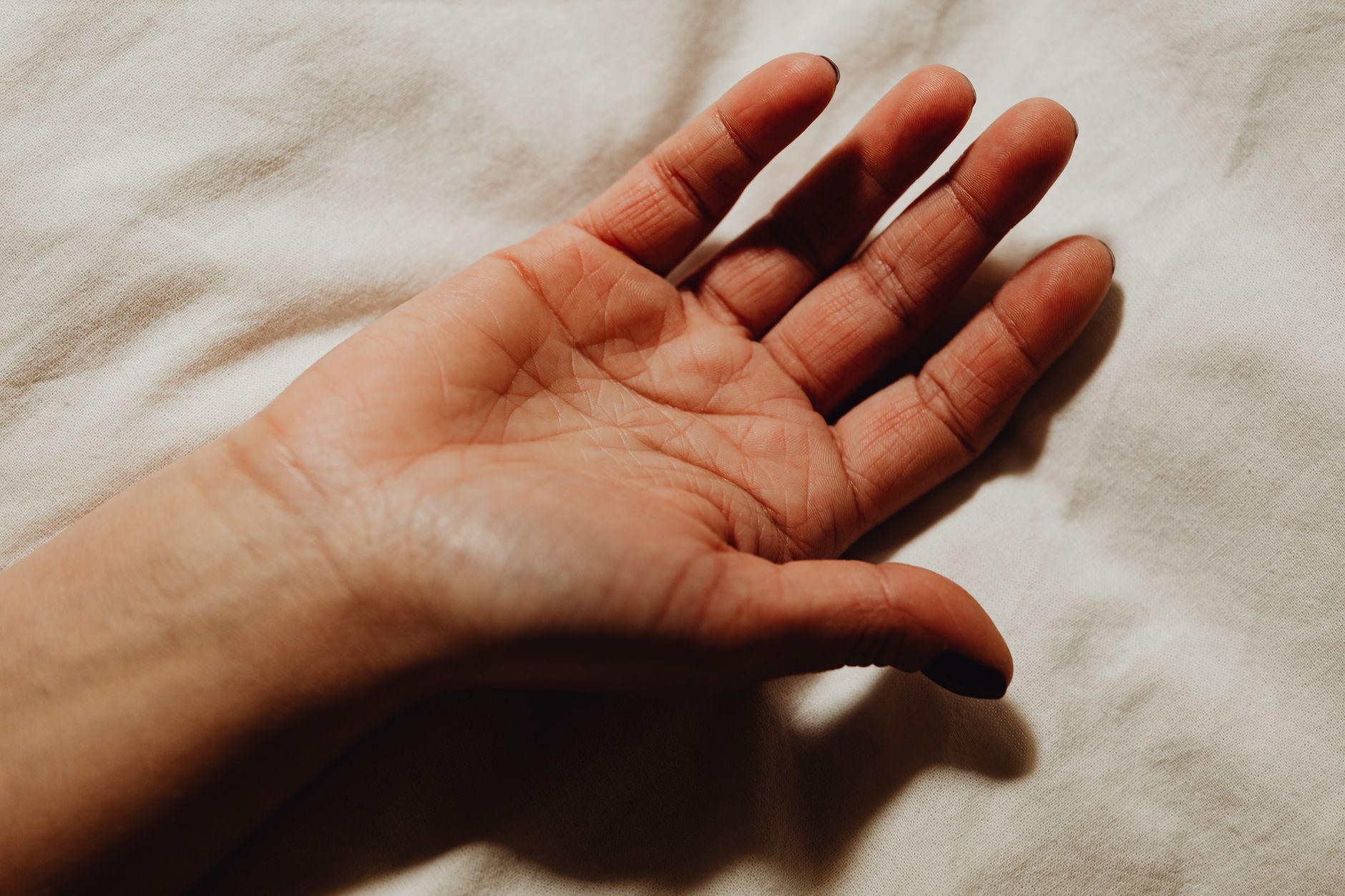
Have you noticed small, intensely itchy blisters appearing on your hands or feet? These might be a sign of dyshidrotic eczema, also known as dyshidrosis or pompholyx. This condition can be uncomfortable and sometimes painful, affecting your daily life. But don't worry, understanding what causes these blisters and how to manage them is the first step towards relief. In India, where skin conditions are common due to our diverse climate and lifestyle, recognizing and treating dyshidrotic eczema is important for many individuals.
What Exactly Are Eczema Blisters?
Eczema blisters are typically small, fluid-filled bubbles that erupt on the skin, most commonly on the palms of the hands, soles of the feet, or the sides of the fingers and toes. Unlike friction blisters, which usually result from rubbing (think new shoes!), eczema blisters are often intensely itchy, may burn, and can sometimes be quite painful. They often appear in clusters. As these blisters heal, the skin beneath can become inflamed, dry, and may crack or peel. The appearance can vary depending on your skin tone, looking red, brown, gray, or even purple.
Dyshidrotic eczema is a specific type of eczema characterized by these blisters. While the exact cause remains a mystery to medical science, experts believe it's often linked to a hypersensitivity to certain triggers or allergens. This can make your immune system overreact, leading to the inflammatory response that causes blisters.
Common Triggers and Causes of Dyshidrotic Eczema
While we can't pinpoint a single cause, several factors are suspected to play a role in the development of dyshidrotic eczema:
- Allergens: Exposure to certain metals like nickel or cobalt is a frequent culprit. This could be from jewelry, coins, or even dental fillings. Other allergens include fragrances and dyes found in soaps, detergents, lotions, and cosmetics.
- Environmental Factors: Some individuals find that exposure to cement, certain metals in their work environment, or even fungal infections like athlete's foot can trigger flare-ups.
- Stress: Emotional or physical stress is a well-known exacerbating factor for many skin conditions, including eczema.
- Genetics and Other Conditions: If you have a family history of eczema, asthma, or hay fever (allergic rhinitis), you might be more prone to developing dyshidrotic eczema. It's also more common in people who already have other forms of eczema.
- Medications and Treatments: Certain medications, such as aspirin or birth control pills, and treatments like intravenous immunoglobulin (IVIG) infusions, have been associated with dyshidrotic eczema in some cases.
It’s important to remember that what triggers one person may not affect another. Identifying your personal triggers is key to managing this condition effectively.
Symptoms to Watch For
The hallmark symptom of dyshidrotic eczema is the appearance of small, deep-seated blisters, often described as looking like 'tapioca pudding' under the skin. These blisters typically occur on:
- Palms of the hands
- Soles of the feet
- Sides of the fingers and toes
- Deeper layers of the skin
Beyond the blisters themselves, you might experience:
- Intense itching (pruritus)
- Burning sensation
- Pain or tenderness
- Redness and inflammation
- Dry, cracked, or peeling skin as the blisters heal
The itching can be so severe that it disrupts sleep and daily activities. Scratching, while tempting, can lead to secondary infections, making the condition worse.
Diagnosing Dyshidrotic Eczema
If you suspect you have dyshidrotic eczema, consulting a doctor, preferably a dermatologist, is essential. They can accurately diagnose the condition and rule out other skin issues that might present with similar symptoms, like fungal infections or contact dermatitis.
The diagnostic process may involve:
- Medical History and Physical Examination: Your doctor will ask about your symptoms, when they started, any potential triggers you've noticed, and your personal or family history of allergies or skin conditions. They will then examine the affected skin.
- Skin Patch Testing: If an allergic reaction is suspected, your dermatologist might recommend patch testing. This involves applying small patches containing common allergens to your skin to see if a reaction occurs, helping to identify specific triggers.
- Cultures: In some cases, a small sample of the blister fluid or skin scraping might be taken to check for bacterial or fungal infections.
Early and accurate diagnosis ensures you receive the most appropriate treatment plan.
Managing and Treating Eczema Blisters
While dyshidrotic eczema can be persistent, a combination of home care, over-the-counter (OTC) remedies, and prescription treatments can help manage symptoms and promote healing.
Home Remedies and Over-the-Counter Care
Taking good care of your skin is paramount:
- Gentle Cleansing: Wash your skin daily with a mild, fragrance-free cleanser. Avoid harsh soaps that strip natural oils. Pat your skin dry gently.
- Moisturize Religiously: Apply a thick, emollient-rich moisturizer, preferably one containing ceramides, immediately after washing while your skin is still damp. This helps lock in moisture.
- Avoid Irritants: Steer clear of personal care products, laundry detergents, and household cleaners that contain fragrances, dyes, or harsh chemicals.
- Protective Gear: Wear gloves when doing household chores, especially when handling cleaning agents or washing dishes. For sensitive skin, consider wearing cotton liners under rubber gloves.
- Cool Compresses: Applying a cool, damp cloth to the affected areas for 15-20 minutes, several times a day, can significantly soothe itching and reduce inflammation.
- OTC Corticosteroids: Mild topical corticosteroids, like hydrocortisone cream (0.5% or 1%), can be effective for mild flare-ups. Apply a thin layer to the affected skin, allowing it to absorb before applying moisturizer.
Prescription Treatments
For more severe cases, your doctor might prescribe stronger treatments:
- Prescription-Strength Corticosteroids: Potent topical corticosteroids can provide more significant relief from inflammation and itching. These are usually prescribed for short periods to manage flare-ups.
- Topical Calcineurin Inhibitors: Medications like tacrolimus or pimecrolimus can be an alternative to corticosteroids, especially for sensitive areas or long-term management, as they don't thin the skin.
- Antifungal or Antibiotic Medications: If a fungal or bacterial infection is present, your doctor will prescribe appropriate oral or topical medications.
- Oral Steroids: In very severe, widespread flare-ups, a short course of oral corticosteroids might be necessary.
- Phototherapy: For chronic or severe eczema, ultraviolet (UV) light therapy might be recommended under medical supervision.
When to Consult a Doctor
It's time to seek professional medical help if:
- Your blisters are severe, painful, or widespread.
- Home care and OTC treatments aren't providing relief.
- You notice signs of infection, such as increased redness, warmth, swelling, pus, or fever.
- The blisters are significantly impacting your quality of life, sleep, or ability to perform daily tasks.
- You are unsure about the diagnosis.
A dermatologist can offer tailored advice and stronger treatment options.
Preventing Eczema Blisters
While you can't always prevent dyshidrotic eczema, you can take steps to reduce the frequency and severity of flare-ups:
- Identify and Avoid Triggers: Pay close attention to what might be causing your flare-ups and make an effort to avoid these triggers.
- Maintain a Consistent Skincare Routine: Use gentle, fragrance-free products and moisturize regularly, especially after washing hands or bathing.
- Protect Your Hands: Always wear protective gloves when exposed to water for extended periods or when using chemicals.
- Manage Stress: Incorporate stress-reducing activities into your life, such as yoga, meditation, deep breathing exercises, or spending time in nature.
- Treat Underlying Conditions: If you have conditions like athlete's foot, asthma, or hay fever, ensure they are well-managed.
Frequently Asked Questions (FAQ)
Can eczema blisters be cured completely?
While there is no known permanent cure for dyshidrotic eczema, it can be effectively managed. With consistent skincare, trigger avoidance, and appropriate medical treatment, many people can achieve long periods of remission with minimal symptoms.
Are eczema blisters contagious?
No, dyshidrotic eczema blisters are not contagious. They are an internal inflammatory response of the skin and cannot be spread from person to person.
How long do eczema blisters typically last?
Eczema blisters usually heal on their own within two to three weeks. However, the itching and inflammation can persist. Prompt treatment can help speed up the healing process and alleviate discomfort.
Can I pop eczema blisters?
It is strongly advised not to pop eczema blisters. Popping them can increase the risk of infection, delay healing, and potentially lead to scarring. It's best to let them heal naturally or seek medical advice for management.