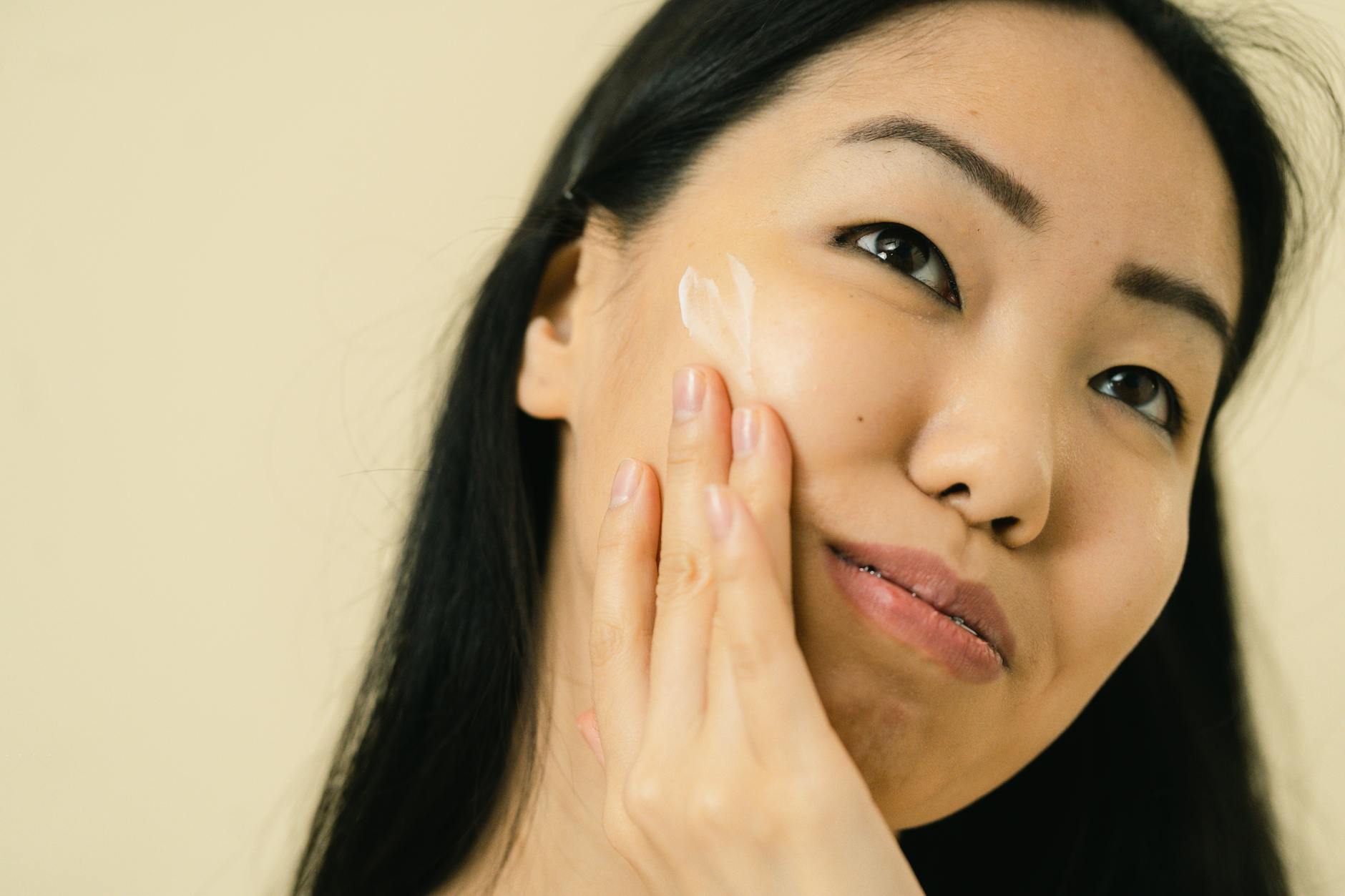
Understanding Elidel Cream for Eczema Management Eczema, medically known as atopic dermatitis, is a chronic skin condition that causes itchy, inflamed, and dry patches on the skin. For many individuals, especially children, finding effective and safe treatment can be a significant challenge. Elidel cream, with its active ingredient pimecrolimus, offers a therapeutic option for managing mild to moderate atopic dermatitis. This article delves into the usage, potential side effects, and important considerations when using Elidel cream, providing practical insights for Indian readers. What is Elidel Cream? Elidel is a prescription-strength topical medication. Its active component, pimecrolimus, belongs to a class of drugs called calcineurin inhibitors. Unlike corticosteroid creams, Elidel works by modulating the immune response in the skin, reducing inflammation and itching associated with eczema without the same potential for skin thinning or other side effects commonly associated with long-term steroid use. Indications for Use Elidel cream is primarily prescribed for the short-term treatment of mild to moderate atopic dermatitis in adults and children aged 2 years and older. It is applied directly to the affected areas of the skin. It is important to note that Elidel is not typically recommended for long-term, continuous use and should be used as directed by a healthcare professional. How to Use Elidel Cream Proper application of Elidel cream is crucial for its effectiveness and safety. Always follow your doctor's instructions. Generally, a thin layer of the cream is applied to the affected skin areas twice daily. Ensure the skin is clean and dry before application. Avoid applying the cream to mucous membranes, such as inside the nose, mouth, or eyes, as this can cause irritation. Potential Side Effects of Elidel Cream Like all medications, Elidel cream can cause side effects. While many are mild and temporary, it's essential to be aware of the potential reactions: Common and Mild Side Effects: Burning Sensation: The most frequently reported side effect is a burning or stinging sensation at the application site. This often subsides as the skin adjusts to the medication. Warmth or Itching: Some users may experience increased warmth or itching at the application site. Cold and Flu Symptoms: In some cases, individuals may report symptoms similar to those of a cold or the flu. Headache: Headaches have also been noted as a possible side effect. These mild side effects are usually manageable and tend to decrease over time. If they persist or become bothersome, consult your doctor or pharmacist. Serious Side Effects: While less common, serious side effects can occur. It is vital to seek immediate medical attention if you experience any of the following: Signs of Infection: Elidel can potentially reduce the skin's ability to fight off infections. Be vigilant for signs of new or worsening infections, such as increased redness, swelling, pain, or pus formation. Warts: In children, there might be an increased risk of developing warts. If warts appear or existing ones worsen, your doctor may advise stopping Elidel temporarily, treating the warts, and then resuming treatment. Severe Allergic Reactions: Although rare, severe allergic reactions can occur. Symptoms may include swelling of the face, lips, tongue, or throat, difficulty breathing, or hives. If these symptoms manifest, call emergency services (like 108 or 112 in India) immediately. Important Considerations and Precautions Several factors should be considered when using Elidel cream: Sun Exposure: While Elidel does not cause photosensitivity like some other eczema treatments, it is generally advisable to minimize prolonged sun exposure while using the cream. Use protective clothing and sunscreen when outdoors. Duration of Use: Elidel is intended for short-term treatment. If your eczema does not improve after 6 weeks of use, or if it worsens, consult your doctor. It is generally recommended to avoid using Elidel for longer than one year without medical supervision. Pregnancy and Breastfeeding: The safety of Elidel during pregnancy and breastfeeding has not been fully established. Consult your doctor before using Elidel if you are pregnant, planning to become pregnant, or breastfeeding. Drug Interactions: Inform your doctor about all other medications, including over-the-counter drugs, supplements, and herbal products, you are currently using to avoid potential interactions. Immunocompromised Individuals: Caution should be exercised in individuals with weakened immune systems, as the risk of infection might be higher. When to Consult a Doctor It is essential to consult your doctor or a qualified healthcare provider in the following situations: If your eczema symptoms do not improve after 6 weeks of using Elidel. If your symptoms worsen or you develop new symptoms, such as signs of infection or severe allergic reactions. If you have concerns about the side effects or the duration of treatment. Before starting Elidel if you have a history of certain medical conditions, such as a weakened immune system. Elidel vs. Topical Steroids Elidel cream offers an alternative to topical corticosteroids, which are often the first line of treatment for eczema. While steroids are effective, long-term use can lead to skin thinning, stretch marks, and other side effects. Elidel, as a non-steroidal option, may be preferred for certain patients or for use on sensitive areas where steroid side effects are a greater concern. However, the choice between Elidel and topical steroids depends on the individual's condition, severity of eczema, and medical history. Conclusion Elidel cream can be an effective treatment for mild to moderate atopic dermatitis, offering relief from itching and inflammation. Understanding its proper usage, potential side effects, and when to seek medical advice is
In summary, timely diagnosis, evidence-based treatment, and prevention-focused care improve long-term health outcomes.