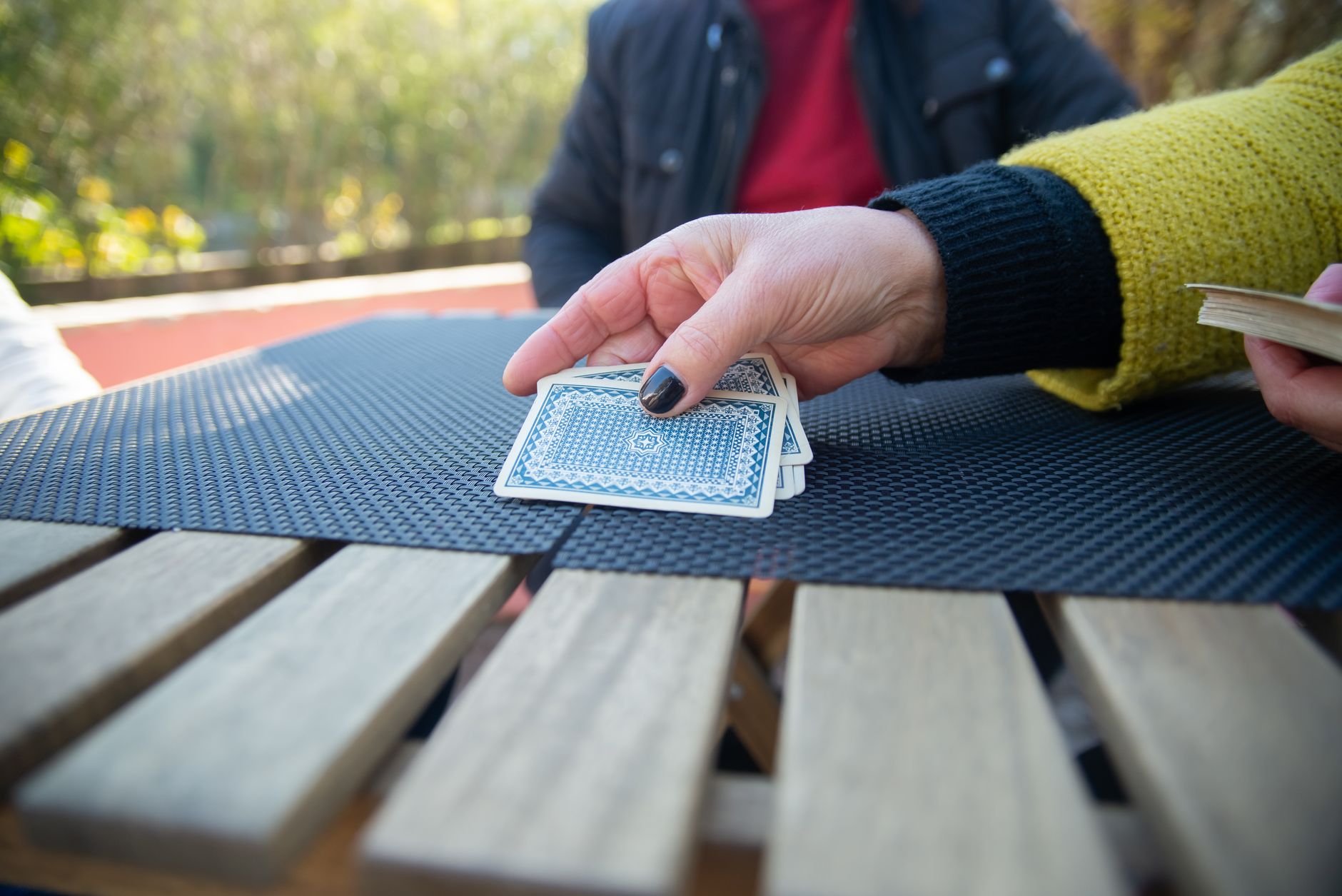
Understanding Dementia and the Importance of At-Home Activities Dementia is a broad term encompassing various conditions characterized by a decline in cognitive functions, most notably memory loss, which significantly impacts daily life. It's crucial to understand that dementia is not a normal part of aging but rather a result of neurodegenerative conditions that alter brain function. Globally, an estimated 55 million people live with dementia, with Alzheimer's disease being the most prevalent form. Living with dementia presents numerous challenges, making everyday tasks difficult. However, engaging in suitable activities, especially within the familiar and comfortable environment of one's home, can play a vital role in stimulating the brain and improving the overall quality of life for individuals affected by this condition. The severity of dementia varies greatly among individuals, and as the condition progresses, the degeneration of neurons leads to a gradual decline in abilities. This can manifest as taking longer to complete tasks, difficulty maintaining focus, confusion, memory lapses, and impaired understanding. These cognitive changes can make activities that require extensive planning or concentration challenging. Therefore, at-home activities for dementia patients should be tailored to their specific needs and abilities. Activities that offer quick results, require minimal planning, and are not overly demanding can be particularly enjoyable and fulfilling, even for those experiencing significant cognitive decline. Benefits of At-Home Activities for Dementia Patients Engaging in regular activities at home offers several benefits for individuals with dementia: Cognitive Stimulation: While there's no definitive proof that brain training alone can reverse cognitive decline, keeping the mind active through meaningful activities can enhance overall quality of life and provide a sense of accomplishment. Improved Mood and Engagement: Studies suggest that group activities can significantly boost engagement and improve mood in people with dementia. Social interaction, even in small, familiar groups, can combat feelings of loneliness and isolation. Enhanced Physical Well-being: Physical activities, when adapted to the individual's capabilities, are highly valued by people living with dementia. They are seen as positive, meaningful, and identity-affirming experiences that contribute to overall well-being. Sense of Purpose and Identity: Participating in activities, whether creative, physical, or social, can help individuals maintain a sense of self and purpose, which is often challenged by the cognitive changes associated with dementia. Reduced Agitation and Anxiety: Structured and enjoyable activities can help reduce restlessness, agitation, and anxiety often experienced by individuals with dementia. Types of At-Home Activities for Dementia Patients 1. Mind-Body Activities These activities combine physical movement with mental focus, promoting both physical health and cognitive engagement. They can be adapted to various levels of mobility and cognitive function. Yoga and Tai Chi: Gentle forms of yoga or Tai Chi can improve balance, flexibility, and reduce stress. Simple poses and movements can be guided by a caregiver or through instructional videos. Mindful Walking: A slow, deliberate walk, either indoors or outdoors, focusing on the sensations of movement and the surrounding environment. 2. Social and Recreational Activities Social interaction is vital for combating isolation. However, it's important to keep groups small and familiar to avoid overstimulation. Playing Card or Board Games: Simple games that don't require complex rules or long-term strategy can be very engaging. Looking Through Photo Albums: Reminiscing over old photographs can spark memories and conversations, providing a connection to the past. Listening to Music: Playing familiar and favorite songs can evoke positive emotions and memories. Singing along can also be beneficial. Group Activities: Inviting one or two close family members or friends for a shared activity can be more comfortable than larger gatherings. 3. Physical Activities Incorporating physical activity is crucial for overall health and can be a positive experience for individuals with dementia. Dancing: Dancing to favorite music can be a joyful way to get exercise and improve mood. Throwing a Ball: A simple activity like tossing a soft ball back and forth, perhaps with a pet, can be engaging and promote movement. Gardening: Light gardening tasks, such as watering plants or potting flowers, can be therapeutic and provide a connection to nature. Home Improvement Projects: Simple tasks like painting or organizing can provide a sense of accomplishment. 4. Sensory and Creative Activities Engaging the senses can be a powerful way to stimulate the brain and evoke memories. Cooking and Baking: Simple recipes that involve familiar smells and tastes can be very engaging. Focus on tasks like stirring, measuring, or decorating. Building with Blocks or Pipe Pieces: These activities can help with fine motor skills and provide a sense of accomplishment. Reading and Looking at Books/Magazines: Engaging with visual content, even if reading is difficult, can be stimulating. Picture books or magazines with interesting images are good choices. Arts and Crafts: Simple crafts like coloring, painting, or working with clay can be relaxing and engaging. Tips for Caregivers Assisting with Activities Caregivers play a crucial role in ensuring that activities are enjoyable and beneficial for individuals with dementia. Here are some tips: Tailor Activities: Adapt activities to the person's current abilities, interests, and past experiences. What was once enjoyable might need modification. Be Patient and Flexible: Understand that progress may be slow, and there might be good days and bad days. Be prepared to adjust the activity as needed. Create a Calm Environment: Minimize distractions and ensure the environment is safe and comfortable. Focus on the Process, Not the Outcome: The goal is engagement and enjoyment, not perfection. Celebrate small successes. Encourage Independence: Allow the individual to
In summary, timely diagnosis, evidence-based treatment, and prevention-focused care improve long-term health outcomes.